Worthwyld Case Study
Restaurant Launch Support, Craft Cocktail Program Development, Service Structure, and Operating Systems

Worthwyld opened on Las Olas Boulevard in Fort Lauderdale with a clear point of view: Food Uncompromised. Founded by David Coba, former CEO and co-founder of European Wax Center, the restaurant was built around scratch-made food, whole, natural ingredients, thoughtful sourcing, and a service experience that feels warmer than traditional fast-casual without becoming formal or slow.
David had the vision. He also had the standard. Blue Orbit’s role was to help translate that vision into the operating structure behind the restaurant, including service flow, training, bar systems, beverage development, manager routines, and the foundational tools needed to support daily execution.
This was not a rescue project. It was a collaboration with a capable owner and a strong team that wanted to open with discipline.
Worthwyld was inspired in part by the strengths of Myapapaya, a respected Fort Lauderdale scratch-kitchen concept with a loyal following. The challenge was not to copy that restaurant or change what made it special. The challenge was to understand what was worth preserving, then help shape Worthwyld into a larger, more scalable, more polished restaurant built for breakfast, lunch, dinner, drinks, takeout, and lingering.
That required more than menu development or branding. Worthwyld needed the operating structure to support a 4,500-square-foot restaurant with roughly 190 seats, a full bar, an open-air patio, all-day dining, and a guest experience that needed to feel fresh, efficient, personal, and relaxed.
The key questions were practical:
- How should guests enter, order, receive service, add drinks, and pay?
- How does a restaurant feel casual and efficient without feeling transactional?
- How does a bar program fit a health-forward, scratch-made food concept?
- What systems need to exist before opening so managers are not inventing the business in real time?
- How does the team protect the founder’s vision while building something the staff can execute every day?
Blue Orbit began with a Needs & Capabilities Assessment to understand the existing concept DNA, the intended Worthwyld direction, and the gaps between vision and operations.
The assessment looked at:
- The “magic” of Myapapaya and what should carry forward
- Menu assortment and daypart balance
- Dinner positioning and evening appeal
- Design, layout, and throughput
- Service-model options
- Bar and beverage positioning
- Organizational structure
- Management systems and training needs
- The operating foundation required for launch
From there, Blue Orbit moved into follow-on support focused on building the operating structure behind Worthwyld.
The work included:
- Service model development
- Craft cocktail and beverage program development
- Bar systems and prep structure
- Food menu support and training language
- Manager systems and routines
- Hourly training materials
- Areas of Responsibility
- Opening task planning
- POS and technology alignment
- Labor discipline tools
- Kitchen, bar, and service checklists
- Management training support
- Pre-opening training and team preparation
Joe Alessandroni served as Blue Orbit’s project manager and helped coordinate the deliverables, task flow, and output needed to keep the project moving.
One of the most important parts of the Worthwyld project was the service model.
A standard fast-casual setup would have been efficient, but it risked flattening the guest experience. Guests would order at the counter, find their own seats, get their own water, and wait for food delivery. That works for many breakfast and lunch concepts. It is less effective when the restaurant is trying to create stronger hospitality, support a full bar, increase evening appeal, and encourage guests to stay for another round.
David challenged the process. Blue Orbit challenged the assumptions. The answer did not come from either side alone.
The result was a hybrid fast-casual model that blended convenience, technology, and hospitality.
The intended guest flow included:
- Guests greeted at the door
- Dine-in guests directed to a table
- Pickup and to-go orders separated from the bar experience
- Water delivered by the team
- Guests ordering from their phone or a tablet
- Food run to the table
- Ambassadors checking back and supporting additional food or drink orders
- Guests paying from their phone when finished
The goal was not technology for its own sake. The goal was to keep the experience easy while preserving the human touch.
Rationale:
Many restaurants get trapped between fast-casual and full-service. They either chase efficiency and lose warmth, or chase hospitality and burden the labor model. Worthwyld needed a third path.
The hybrid service model helped support the brand promise: fresh food, modern convenience, and hospitality that still feels personal.
FAQ
Blue Orbit supported Worthwyld with restaurant launch planning, service model development, craft cocktail program development, training structure, and operating systems. The work focused on helping David Coba and his team turn a clear restaurant vision into daily operating structure.
A hybrid fast-casual service model blends the speed and ease of counter service with selected hospitality touches from full-service restaurants. For Worthwyld, that meant greeting guests, guiding dine-in and takeout flow, delivering water, supporting table-based ordering, running food, checking back with guests, and making it easy to order additional food or drinks.
Worthwyld needed to work for breakfast, lunch, dinner, drinks, takeout, and guests who wanted to stay longer. A standard fast-casual model risked feeling too transactional, while full service risked adding too much labor and friction. The hybrid model gave the restaurant a way to feel warm, efficient, modern, and polished.
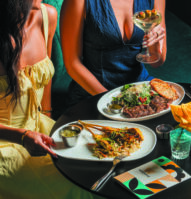
Blue Orbit helped develop a beverage direction that fit Worthwyld’s fresh, health-forward food philosophy. The program included craft cocktails, fresh juices, low- and zero-alcohol options, wine direction, bar prep systems, recipe costing, pricing strategy, and training language for the team.
Operating systems help managers and employees understand how the restaurant should run before guests arrive. For Worthwyld, that included service systems, kitchen systems, bar systems, manager routines, training materials, labor tools, and technology alignment so the team had structure behind the guest experience.
We start with a deposit based on the approved scope. From there, we bill monthly in proportion to projected timeline. If scope changes, we’ll agree together how to amend terms.
Yes. We often bolt on landlord pitches, site vetting, or advisory sessions at key points. These are scoped separately and don’t replace the core phases.
We can layer scalability into each phase. In Phase 1, we’ll model variable labor and revenue assumptions by market. In Phase 3, we’ll adjust pricing structures and menu strategy by geography to protect margins.