Bellina Alimentari Case Study
Restaurant concept development, profit modeling, and launch support for an Italian market, wine bar, and culinary club at Ponce City Market.
Atlanta, GA - Tal Baum had studied architecture in Florence and carried a deep love for Italian food, ingredients, markets, and design. What she had not done was work in a restaurant, own one, hire a team, build operating systems, negotiate the realities of a high-profile development, or turn a vision into a business that could open and run.
Blue Orbit was first engaged to test the concept through a Profit Model and business plan. From there, the work expanded into full concept development, menu and beverage development, kitchen and bar planning, operating systems, hiring, training, and launch support for Bellina Alimentari at Ponce City Market.
Tal’s vision was clear, ambitious, and personal. Bellina was not meant to be a simple Italian restaurant. It was meant to operate as an Italian market, restaurant, wine bar, and culinary club, with the feel of the places and food traditions that shaped her time in Florence.
That mix made the concept more interesting, but also more complex. Bellina needed to work financially, operationally, and physically inside one of Atlanta’s most visible developments. Before the project moved too far into design or construction, the model had to be tested.
The first question was not whether the idea was beautiful. It was whether the idea could become a business.
Blue Orbit began with a Profit Model and business plan to define startup costs, projected sales, labor structure, breakeven point, sales channels, and stabilized operating performance. That work gave Tal a practical foundation for decisions around funding, site selection, lease negotiation, design, staffing, and opening sequence.
The model also helped protect the concept from becoming too broad too early. Bellina had many parts, and each one needed a reason to exist, a role in the guest experience, and a place in the economics.
Once the concept proved viable, the work moved from financial planning into full development. Blue Orbit helped Tal translate the vision into a concept that could be designed, staffed, trained, and operated.
Key areas of work included:
- Profit Model and pre-opening budget
- Business plan and concept brief
- Site selection and lease negotiation support
- Concept positioning and brand filter
- Food menu engineering and recipe development
- Beverage program direction, including cocktails, non-alcoholic beverages, coffee, wine, and beer
- Kitchen, bar, and market layout collaboration
- Throughput planning for restaurant and retail operations
- Hiring plan and leadership organization
- Training timeline and pre-opening project calendar
- Operating systems, manuals, checklists, ordering tools, line checks, side work, and management routines
- Staff training and opening support
The work had to stay flexible as the project evolved. A first restaurant does not develop in a straight line, especially when the concept includes restaurant, retail, wine, education, and market components under one roof.
Tal was new to restaurants, but not to great taste and hard work. She pushed the project forward with rare discipline and resolve.
During development, she became pregnant with her second child and was also designing and building her own home. She had her child just before Bellina opened. Through all of that, she stayed present, decisive, thoughtful, and deeply engaged in the work.
That was inspiring. A consultant can bring structure, modeling, systems, and opening experience, but the founder still has to carry the concept. Tal did that with toughness, kindness, generosity, and an uncommon ability to keep moving without losing the heart of what she was building.
As Bellina moved closer to opening, Blue Orbit’s role shifted from concept development to implementation. The project needed structure, accountability, and a clear path from “owner plus consultants” to a functioning operating team.
Blue Orbit supported hiring, training, management organization, service systems, food and beverage execution, and the daily work of getting the team ready to open. The goal was not to make Bellina dependent on outside support. The goal was to leave Tal and her team with the tools, routines, and confidence to operate independently.
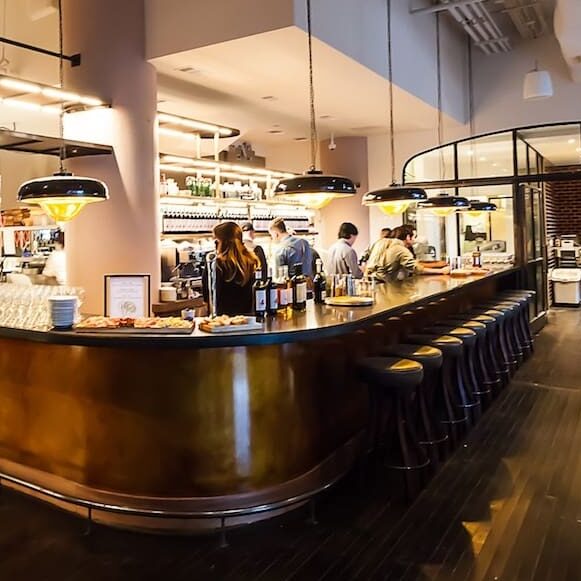
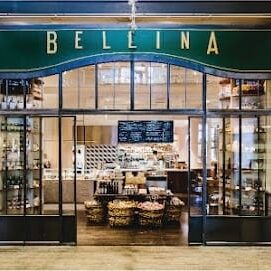
Bellina Alimentari opened at Ponce City Market as a fully realized Italian market, restaurant, wine bar, and culinary club. The final concept reflected Tal’s original vision, but with the operating structure needed to make it work in the real world.
Bellina also became the first step in what is now Oliva Restaurant Group. Tal has since grown into an Atlanta restaurateur with a collection of ambitious concepts, including Carmel, Atrium at Ponce City Market, Rina, and Mercato di Bellina.
Each concept has its own identity, from contemporary seafood to modern American dining, Middle Eastern street food, and curated Italian imports. Bellina was the beginning. It gave Tal a platform, a first operating foundation, and a real-world launch point for the restaurant group she would go on to build.
Categories:
FAQ
Yes. Bellina Alimentari was Tal Baum’s first restaurant. She had studied architecture in Florence and had a strong vision for the concept, but she had not worked in or owned a restaurant before developing Bellina.
Blue Orbit supported Bellina from early feasibility through launch. The work included profit modeling, business planning, concept development, menu and beverage development, kitchen and bar layout collaboration, operating systems, hiring, training, and pre-opening support.
Bellina had a strong creative vision, but the business model needed to be tested before major development decisions were made. The Profit Model helped define startup costs, projected sales, labor needs, breakeven, and long-term operating performance.
No. Bellina was developed as an Italian market, restaurant, wine bar, and culinary club. That mix made the concept more distinctive, but also more complex from an operating, staffing, design, and financial standpoint.
Bellina Alimentari became Tal Baum’s first restaurant and the foundation for Oliva Restaurant Group. Tal has since gone on to build multiple Atlanta concepts, including Carmel, Atrium, Rina, and Mercato di Bellina.