
How to Build a Private Dining Program That Actually Makes Money
By Ray Camillo /
A private dining program that actually makes money looks nothing like a back room with a sign that says “available for parties.” It’s a real product. It’s deliberately priced, intentionally sold, and run with the same discipline as the main dining room.
Most restaurants have private dining space. Few have a private dining program. The difference shows up directly on the P&L.
Why Private Dining Deserves Real Structure
The economics here are better than most operators realize. FSR Magazine reports that margins on a typical table run 3.5 to 8 percent. Margins on a private event or group booking run 15 to 25 percent. A private event also spends far more per booking than an average table, often five to twenty times as much.
That margin difference exists for a reason. Private events are predictable. You know the headcount, the menu, and the timing in advance. Prep is planned instead of guessed. Labor can be scheduled as a dedicated team instead of stretched across a thin floor. None of that predictability happens by accident. It happens because someone built a program around it.
Start With the BEO, Not the Sales Pitch
A banquet event order is the single most important document in a private dining program, and it’s the piece most independent restaurants skip. A BEO spells out everything: guest count, room setup, menu, timing, staffing, audiovisual needs, and payment terms, all on one page both sides can reference.
Without a written BEO, details live in someone’s memory or a string of email threads. That works fine until the day of the event, when the kitchen thinks it’s plating for thirty and the host shows up with thirty-five. Build a simple BEO template now, before your next booking, not after a mix-up costs you a client.
Every BEO should include a run-of-show with specific times: guest arrival, first course, speeches if any, and event end. Share that timeline with the kitchen and the floor team the day before, not the hour before.
Set Minimum Spends That Actually Protect Your Revenue
A minimum spend policy exists to guarantee your restaurant makes sense of the trade-off it’s making. When you book a private event, you’re often turning away regular walk-in business for that space and that time. The minimum spend should reflect what you’d reasonably expect to earn from that space anyway, plus a premium for the exclusivity.
Calculate your minimum by table count and average check, not by guesswork. If a room seats forty and your average check runs sixty-five dollars with two turns, that space could generate over five thousand dollars on a normal night. Price your minimum with that math in mind, not a number that just sounds reasonable.
Build tiers instead of one flat number. A reception package, a seated dinner package, and a full buyout each carry a different minimum and answer a different kind of client. Someone planning a casual office gathering wants a different commitment than someone planning an anniversary dinner for forty guests.
The Deposit Structure Isn’t Optional
If you don’t require a deposit to hold a date, you don’t have a booking. You have a hope. A twenty-five to thirty percent deposit at signing is standard. Tie it to a contract that spells out the date, the space, the menu scope, and the cancellation policy.
Make the deposit non-refundable inside the final thirty to forty-five days before the event. That protects you from a cancellation on one of your highest-revenue nights, when there’s no realistic way to rebook the space in time. Clients who push back hard on a deposit are often not serious buyers. The deposit filters for commitment. It isn’t a barrier to booking; it’s a test of whether the booking is real.
Staff Private Events as Their Own Shift, Not an Add-On
The most common staffing mistake in private dining is treating the event as an extra table for the regular floor to absorb. That approach works for a party of six. It falls apart for a party of thirty.
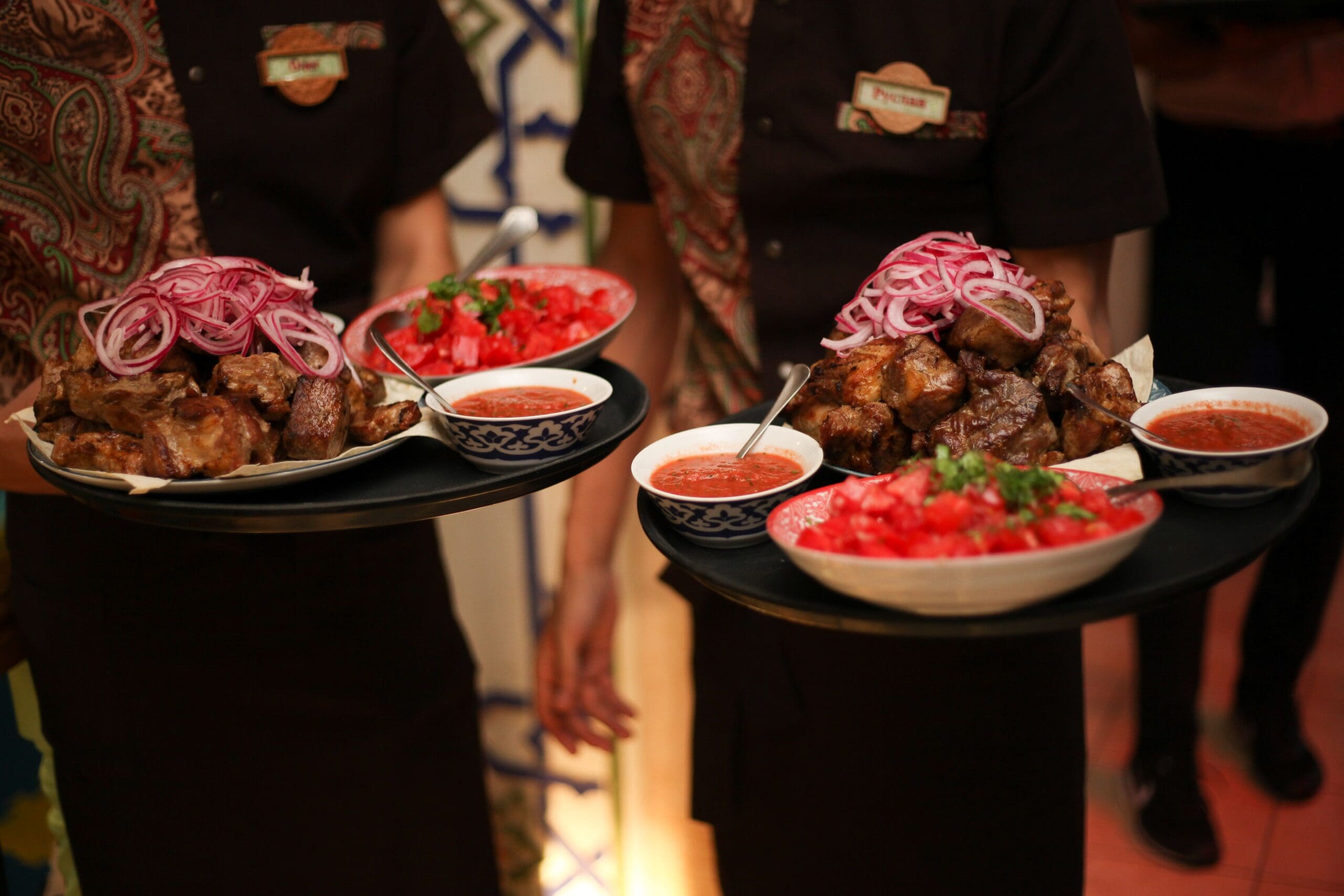
Assign a dedicated server or team to any event above a size threshold you set in advance, maybe fifteen or twenty guests. That team should not also be covering regular dining room tables during the event. Splitting attention between a private party and walk-in guests produces a worse experience for both.
Brief that dedicated team using the BEO, not a verbal summary two minutes before doors open. Walk through the run-of-show, the menu, any allergy notes, and the timing for each course. A private event that runs smoothly reads as effortless to the guest. It rarely is. It’s the result of a briefing that happened properly beforehand.
Price the Room, Not Just the Food
Many restaurants price private events as a discounted version of the regular menu with a room thrown in for free. That undersells the actual value of an exclusive, private space.
Price the room itself as part of the package, even if you frame it as included in a per-person minimum. A full buyout, where a client rents the entire restaurant for a window, should reflect lost regular revenue plus a real premium for the exclusivity. Don’t just mark up food and beverage costs and call it a buyout price.
Let the Kitchen Weigh In Before You Sell the Package
A private dining program the kitchen wasn’t consulted on tends to fall apart the first time a big group actually books. Before you finalize package menus, walk the kitchen through what a full room of thirty or forty plates actually requires during a normal Friday service.
A plated three-course menu for forty guests, fired alongside a full dining room, is a different operational challenge than the same menu for a table of six. Build your private dining menus around dishes that hold well and fire efficiently in volume. Save the most labor-intensive items on your regular menu for smaller parties, where the kitchen has more room to work.
Track Every Inquiry, Not Just Every Booking
Build a simple log of every private dining inquiry: who asked, what date, what package, and whether they booked. Most restaurants only track confirmed bookings, which means they lose the data that would tell them why inquiries fall through.
If you notice a pattern of losing bookings over a particular date range or a particular package tier, that’s useful information. Maybe your Friday pricing is too aggressive. Maybe your response time is too slow. You can’t fix what you don’t track.
A Private Dining Program Compounds Over Time
A well-run private dining program doesn’t just generate revenue this quarter. It builds a client list of repeat corporate accounts and families who return year after year for the same anniversary or holiday gathering. FSR Magazine’s coverage of one Manhattan restaurant found private dining made up nearly a third of total revenue. Margins ran ten to fifteen points higher than the main dining room.
That kind of result doesn’t come from an available room and a hopeful sign. It comes from a program. A real BEO process. Minimum spends set with actual math. A deposit policy enforced every time. A dedicated staffing plan for every event above a certain size.
If you want help building out your BEO templates, pricing structure, or staffing model for private events, that’s worth the time. Book an introductory call or schedule an advisory session, and we’ll build the program together. If you’re still working on filling your holiday calendar before you formalize the program, our holiday revenue strategy piece is a good place to start.