

The Q4 Planning Guide Every Restaurant Operator Needs
By Ray Camillo /
A Q4 planning guide only earns its name if it starts before October does. By the time the calendar flips, half the decisions that determine your Q4 are already made. Staffing is set. Private dining dates are booked, or they’re not. Your cash position for January is largely locked in.
I’ve watched too many operators treat Q4 as something that happens to them. It doesn’t have to work that way. The restaurants that finish the year strong treat September as the planning month, not the warm-up act.
This Q4 planning guide covers five things: revenue, staffing, private events, marketing spend, and year-end financial positioning. Work through them in this order. Each one depends on the one before it.
Start With a Real Revenue Forecast, Not Last Year’s Number
Most Q4 planning starts with a number pulled from last year’s P&L. Adjust it up a few percent, and call it a forecast. That’s not planning. That’s a guess wearing a spreadsheet.
Build your Q4 forecast from the calendar up. Map every week from October through December 31. Note the weeks with a holiday, a known local event, or a predictable dip like the week after Thanksgiving. Weight your forecast around those specifics. Don’t apply a flat percentage across twelve weeks and call it done.
The National Restaurant Association’s 2026 State of the Restaurant Industry report found that 42 percent of operators said their restaurants were not profitable in 2025. That’s up sharply from 29 percent the year before. That’s not a reason to panic. It’s a reason to plan Q4 with real precision, because thin margins don’t leave room for a sloppy forecast.
Sales growth industrywide has also leaned more on pricing than on traffic this year. That matters for Q4 planning specifically. You can’t assume organic covers will carry your fourth quarter the way they might have a few years ago. Revenue has to be built this year, not assumed.
Staff for the Quarter You’re Actually Running
Q4 staffing is not one plan. It’s at least three. The pre-holiday stretch in October looks nothing like the private-event-heavy weeks in November and December. The week between Christmas and New Year’s behaves like nothing else on the calendar, and deserves its own plan too.
Map your labor needs against the forecast you just built, week by week. October usually looks like a normal fall month, with slightly lighter staffing than summer. November and December need real capacity on top of regular service. Cross-trained staff who can flex between the dining room and a private party keep the whole floor from feeling the strain.
Start recruiting for holiday coverage now, not in November. The good seasonal staff are already fielding offers from other restaurants by then. Wait too long, and you’ll be filling shifts with whoever’s left instead of whoever’s best.
Build Your Private Event Calendar Before You Need It
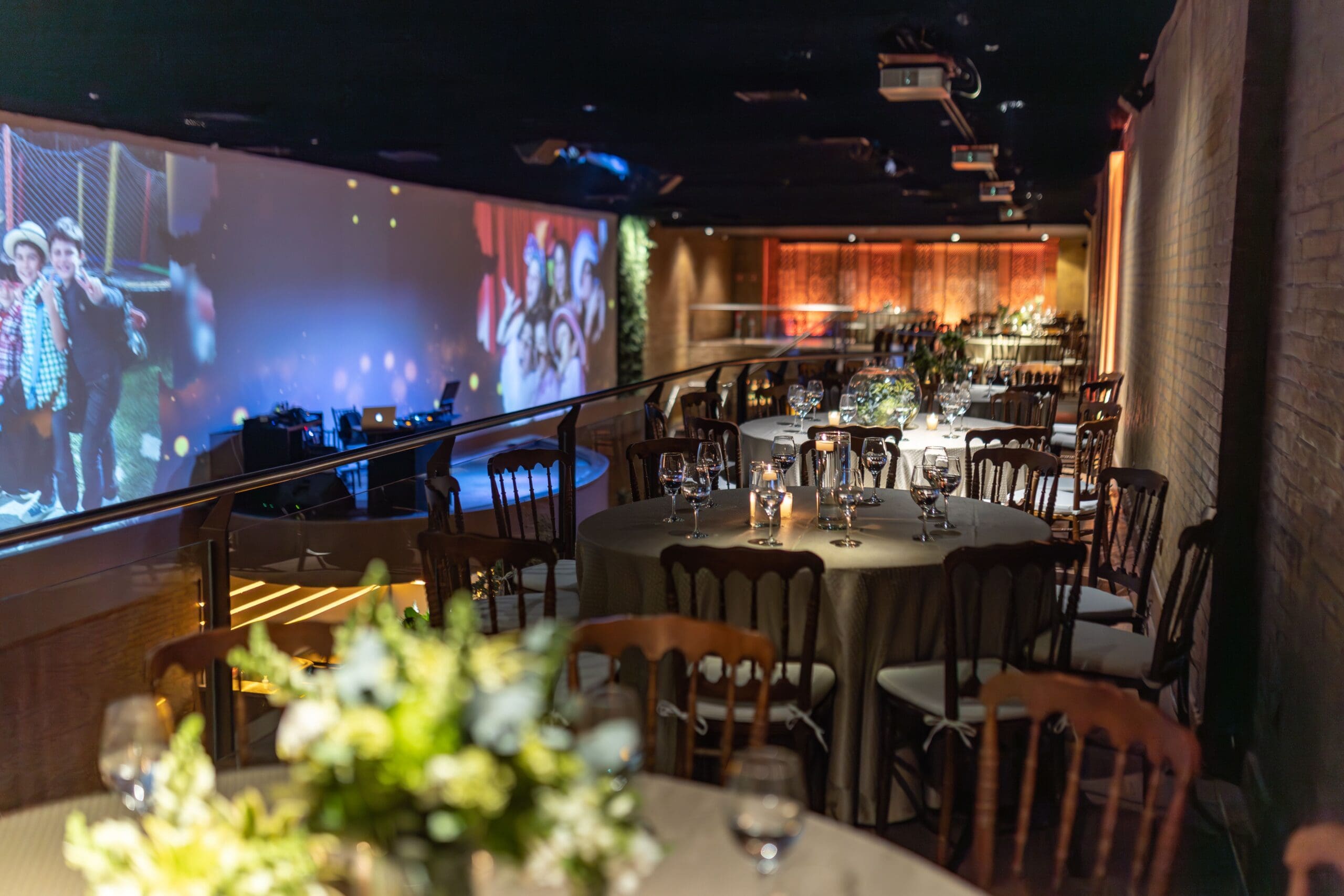
Private dining and holiday parties can be some of the highest-margin revenue in your Q4, but only if the calendar is built early. Corporate groups plan holiday events months out. If your holiday party season bookings aren’t already in motion, you’re behind, not early.
Walk your space and know exactly what you have to sell. How many seats. Which configurations create real privacy. Which dates are hardest to fill. Price those hard-to-fill dates to move. A Tuesday in early December with a modest incentive beats an empty Tuesday every time.
Set your deposit policy now and use it consistently. A verbal commitment from a corporate planner is not a booking. A signed contract with a deposit is. Get that structure in place in September, so nobody’s improvising it in October under pressure.
What a Realistic Q4 Planning Guide Timeline Looks Like
A Q4 planning guide is only useful if it turns into dates on a calendar, not just a good idea. Here’s a timeline that holds up in the real world.
- Now through late September: Build your revenue forecast. Post your holiday party packages. Send the first outreach to your loyalty list and nearby businesses.
- October: Finalize holiday staffing needs and start recruiting. Confirm vendor contract renewals and renegotiate where you can. Review your private event calendar and fill the slowest dates first.
- November: Lock remaining private event dates. Run your first post-Thanksgiving staffing check. Compare actual sales against your forecast and adjust where needed.
- December: Execute. Track daily against your forecast, not just weekly. Start pulling together the numbers your accountant will want in January.
Notice what this timeline protects. It keeps the hardest decisions, staffing and private event pricing, out of the panic zone in November. Do the thinking in September, and December becomes a season to execute, not a season to improvise.
Spend Your Marketing Dollars Before Everyone Else Does
Most restaurants save their marketing push for late November, right when every competitor does the same thing. That’s the most expensive, least effective time to try to stand out.
Move part of your Q4 marketing budget earlier. A September or early-October push to fill private event dates costs less. It also faces less noise than the same push would in mid-November. Save a smaller reserve for last-minute promotion once the season is underway, but don’t wait until everyone else is shouting to start talking.
Your loyalty list deserves a direct message about holiday capacity before your competitors send theirs. Guests who hear from you first often book with you first, simply because you asked before anyone else did.
Tell Your Team What Q4 Actually Requires
A Q4 planning guide that lives only in the owner’s head doesn’t help the managers running shifts in November. Share the forecast, the staffing plan, and the private event calendar with your management team now, while there’s still time to ask questions and fix problems.
Managers who know the private event calendar in advance can plan prep and staffing around it instead of finding out about a 40-top on Thursday afternoon for Thursday night. Servers who know the holiday marketing push is coming can prepare to answer guest questions about it. A plan that only exists on the owner’s laptop isn’t a plan the floor can execute.
This doesn’t need to be a formal presentation. A short meeting in late September, walking the team through the forecast and the private event calendar, gives everyone the same picture heading into the busiest quarter of the year.
Get Your Numbers Ready for Year-End, Not Just December 31
Year-end financial positioning starts well before New Year’s Eve. Pull your current P&L and compare it against your original annual budget. Know now, not in January, whether you’re tracking ahead or behind on your yearly targets.
This matters for two reasons. If you’re behind, Q4 is your only remaining window to catch up, and you need every week of it. Clean, current books also make tax season faster. Nobody wants three months of catch-up bookkeeping in February. If the numbers reveal a deeper problem than a slow quarter, that’s when a real operations support review makes sense, not a quick patch in December.
Review your major vendor contracts before they auto-renew into next year. September and October are good months to renegotiate, because vendors aren’t yet buried in their own Q4 rush. A better rate locked in now compounds across the following twelve months, not just the current quarter.
Don’t Skip the Post-Mortem While You’re Planning the Push
It’s tempting to spend all of September looking forward and none of it looking back. Resist that. Pull your Q4 numbers from last year and be honest about what worked.
Did last year’s private event calendar actually fill, or did you scramble in November for last-minute bookings? Did your staffing hold up during the week after Thanksgiving, or did you get caught short? Answer these questions now. You can still change this year’s plan. In January, the only thing left to do is write it down for next time.
A Q4 Planning Guide Is Only as Good as the Follow-Through
A Q4 planning guide doesn’t work as a document you write once and set aside. Revisit your Q4 plan every two weeks through the fall. Compare actual sales against your forecast. Adjust staffing if a slower week arrives sooner than expected. Fill open dates in the private event calendar as they appear.
The restaurants that finish Q4 strong aren’t the ones with the fanciest spreadsheet in September. They built a real forecast. They staffed against it. They filled their private event calendar early, and checked their numbers often enough to catch problems while there was still time to fix them.
If you want a second set of eyes on your Q4 planning guide before the quarter gets away from you, that’s worth the time. Book an introductory call or schedule an advisory session, and we’ll build the plan together.