
Hispanic Heritage Month: Celebrating Latin Flavors in American Dining
By Ray Camillo /
Hispanic Heritage Month dining runs from September 15 through October 15. It deserves more than a taco special slapped on a chalkboard. The flavors, techniques, and traditions behind Latin American cuisine have shaped American dining for generations, often without getting the credit.
Latin culinary influence shapes menus everywhere, from fine dining to the corner taqueria. Most menus never acknowledge where it came from. Hispanic Heritage Month dining is a chance to name that influence directly, in a way that’s genuine rather than performative.
Why This Observance Matters to the Industry, Not Just the Calendar
Hispanic Heritage Month dining isn’t a marketing gimmick tacked onto an existing menu. According to the National Restaurant Association, about one in four members of the restaurant workforce is Hispanic, serving in roles from entry-level positions through ownership. That’s not a footnote. It’s a meaningful share of the people who keep this industry running.
The influence runs deeper than staffing numbers. Regional Mexican cuisine, Puerto Rican and Dominican cooking, Peruvian and Argentine techniques, and Cuban flavors have all shaped what Americans consider normal restaurant food. A lot of that influence gets absorbed into menus without a name attached. This month is a chance to name it.
Regional Cuisine Beyond the Default
Most American restaurants that lean into Latin flavors default to a narrow slice of Mexican cuisine. That’s not wrong, but it leaves an enormous amount of culinary range untouched.
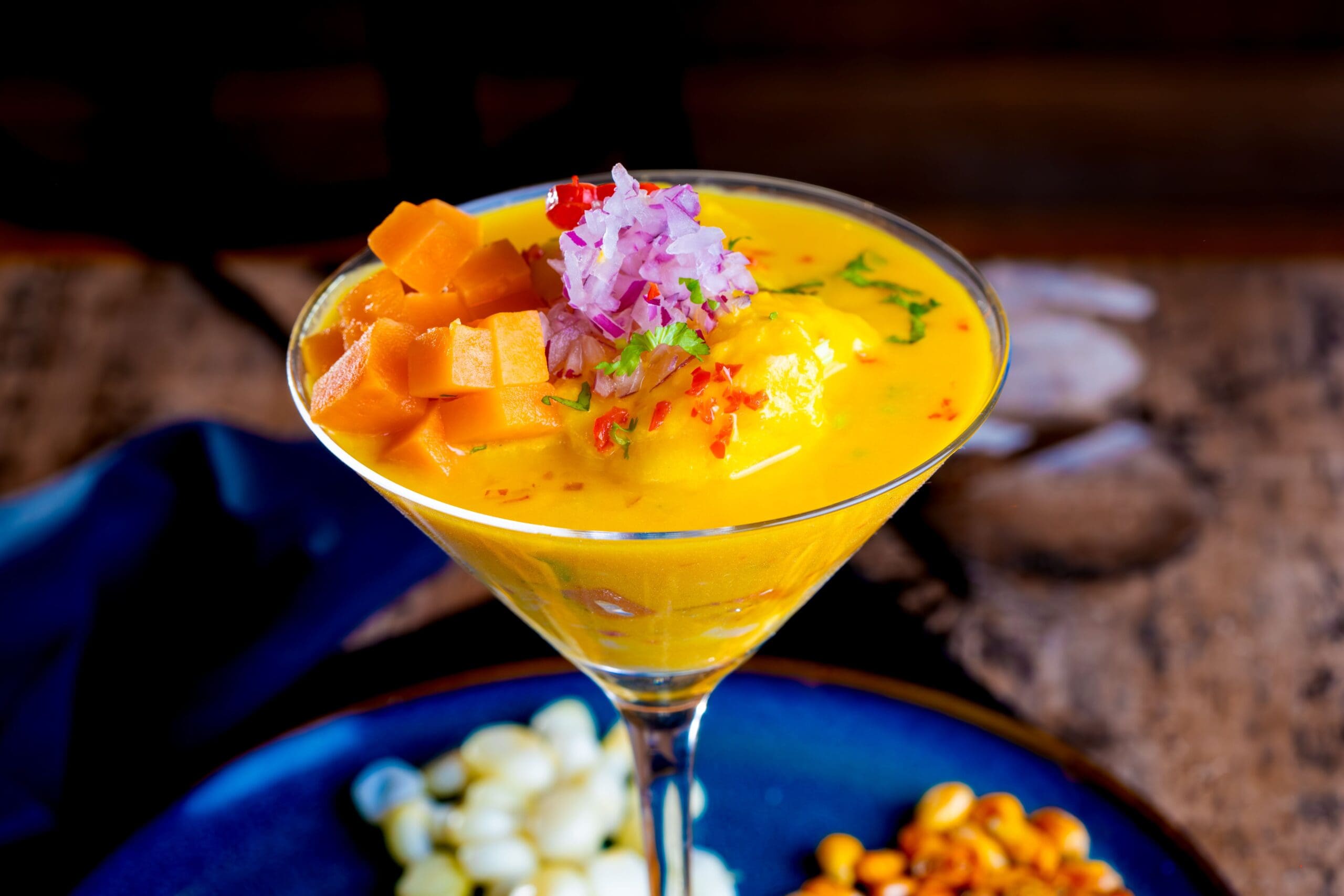
Consider featuring dishes tied to specific regions and countries instead of a generic “Latin-inspired” label. Peruvian ceviche, built on citrus and fresh seafood, offers something distinct from Mexican coastal cooking. Argentine-style grilling brings a different approach to protein than most American steakhouses use. Dominican and Puerto Rican comfort dishes, built around rice, beans, and slow-cooked meats, carry their own identity, separate from Mexican comfort food entirely.
Specificity matters here. A menu that names the country or region behind a dish shows real respect for where it came from. A vague “fiesta menu” does the opposite, even when the food itself is good.
Guest Interest in Latin Flavors Isn’t New, But It’s Growing
Guest behavior backs up what many operators already sense. Data on quick-service dining frequency shows Hispanic diners engage with restaurants at meaningfully higher rates than non-Hispanic diners, both weekly and monthly. That pattern reflects a broader truth. Latin American food culture already has deep roots in how this country eats out.
Building genuine Hispanic Heritage Month dining content into your menu this month isn’t chasing a trend. It’s acknowledging something already true about your guest base. Many of your dishes already draw from these traditions, whether you say it out loud or not.
How to Do This Without It Feeling Like a Gimmick
The line between genuine celebration and hollow marketing is thin and guests notice.
Start with the kitchen, not the marketing calendar. If a member of your team has a family recipe or a regional specialty worth featuring, build the month around that story. A dish with a real name and a real person behind it reads as authentic. A dish invented purely to fit a promotional calendar reads as exactly that.
Avoid stereotype-driven decor and language. Sombreros and maracas as decoration flatten an enormous range of cultures into a caricature. If you’re featuring Peruvian food, let Peruvian food speak for itself. It doesn’t need a costume.
Consider a rotating regional spotlight instead of one static special. Feature a different country or region each week: Mexican the first week, Puerto Rican the second, Colombian or Venezuelan the third. This does more to educate guests about the actual range of Latin American cuisine than a single dish ever could.
Don’t Forget the Bar
Latin American beverage culture deserves the same specificity as the food. A pisco sour tells a different story than a margarita, and both deserve their own explanation on the menu rather than a shared “Latin cocktails” heading.
Consider featuring a spirit or ingredient tied to a specific country each week alongside your food spotlight. Cachaça from Brazil, pisco from Peru, and mezcal from Mexico each carry distinct production methods and histories worth a sentence or two on the menu. A well-told beverage story sells drinks the same way a well-told dish story sells food.
Where This Fits Into Concept Development
For any operator building a new concept this year, Hispanic Heritage Month dining is worth thinking about beyond a single promotional window. Latin American cuisine is not a monolith, and treating it as one narrows what a concept could actually offer guests long term.
If regional Latin flavors are part of what you want your concept known for, build that specificity in from the start. Don’t layer it on later as a seasonal feature. A concept built around real regional identity, Peruvian coastal cooking or Oaxacan-style Mexican food, tends to hold up over time. A generic “Latin fusion” label with no clear point of view rarely does.
Train the Floor to Talk About What’s on the Plate
A server who can explain what makes a dish specifically Peruvian does more for the guest experience than any table tent or social post. The same goes for a server who can say why a preparation comes from the Dominican Republic rather than Mexico.
This takes a short training session, not a major investment. Walk the floor staff through where each featured dish comes from and what makes it distinct. Servers who understand the story behind a dish recommend it with real conviction, and guests pick up on that immediately.
Extend the Recognition Beyond the Plate
Hispanic Heritage Month dining is also a good time to recognize the people already on your team. Ask staff with roots in the cultures you’re featuring if they’d like to be part of the story. That might mean a recipe credit on the menu. It might mean a mention in your marketing.
This isn’t required, and nobody should feel obligated to participate. For team members who want to be involved, though, this month offers a real chance to be seen and credited for traditions they already bring to the kitchen every day.
A Genuine Celebration Builds Something That Lasts
The restaurants that do Hispanic Heritage Month dining well don’t treat it as a one-month promotion that goes away on October 16. The regional dishes that resonate with guests during the month often earn a permanent spot on the menu afterward.
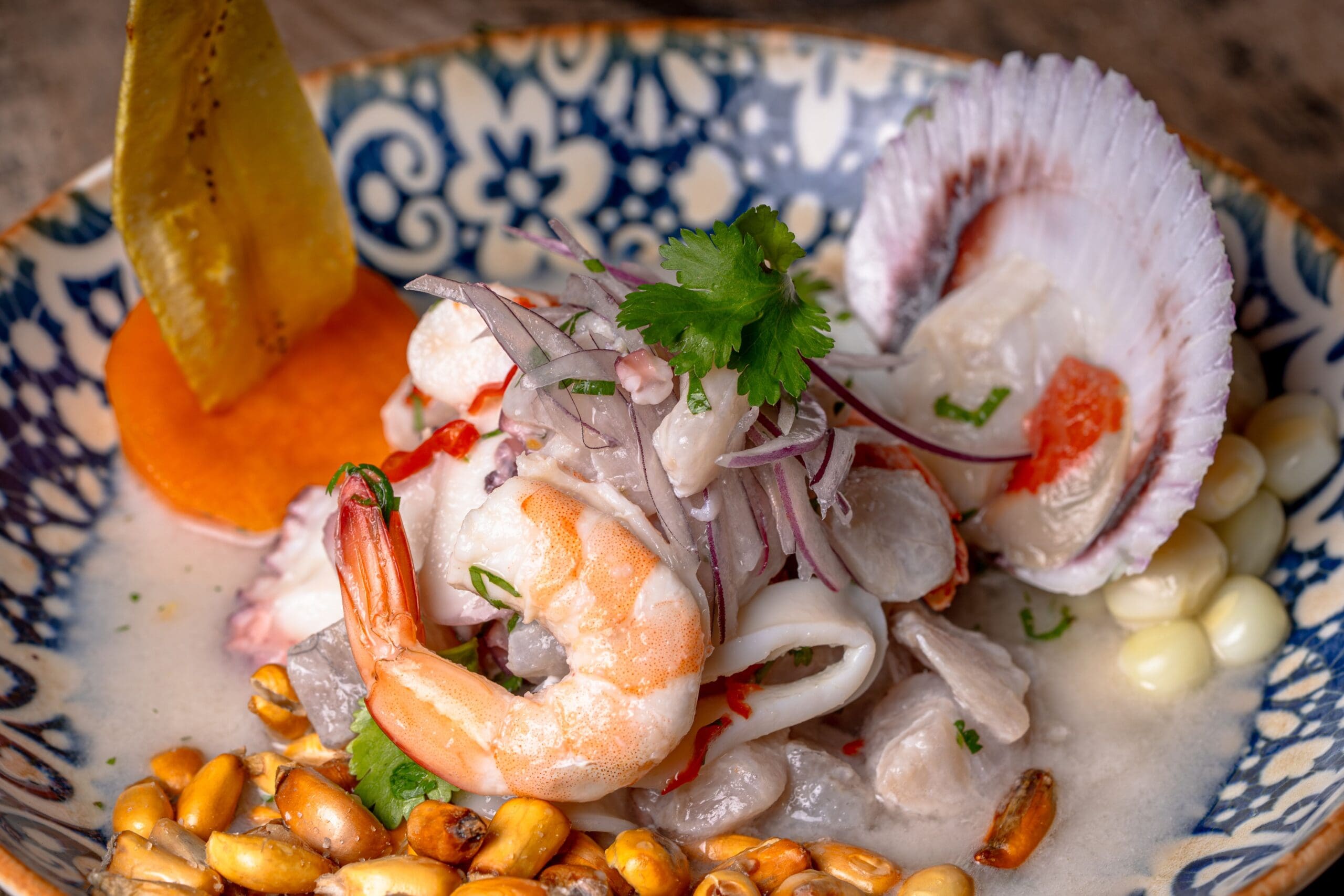
Track which featured items perform well. A Peruvian ceviche or a Dominican mangu that guests keep asking for deserves consideration as a core item. Don’t let it vanish once the calendar turns, just because it started as a seasonal special.
Hispanic Heritage Month dining, done well, isn’t really about a single month at all. It’s a chance to recognize influence that was already there, credit the people behind it, and build some of that recognition into the menu permanently.
If you’re looking to deepen your menu’s connection to the cultures that already shape it, that’s worth raising directly with your culinary team. If you want outside help thinking through concept and menu development that reflects your team’s real strengths, book an introductory call or schedule an advisory session.