
Indigenous Peoples Day: Food Sovereignty and the Culinary Heritage Worth Celebrating
By Ray Camillo /
Indigenous food sovereignty is the right of Native communities to control their own food. That covers the seeds, the land and water, the harvest, and how they prepare and sell the food. Indigenous Peoples’ Day was Monday, October 12, and November is Native American Heritage Month. Both are good reasons for operators to learn what the term means for a restaurant menu.
What Indigenous Food Sovereignty Means
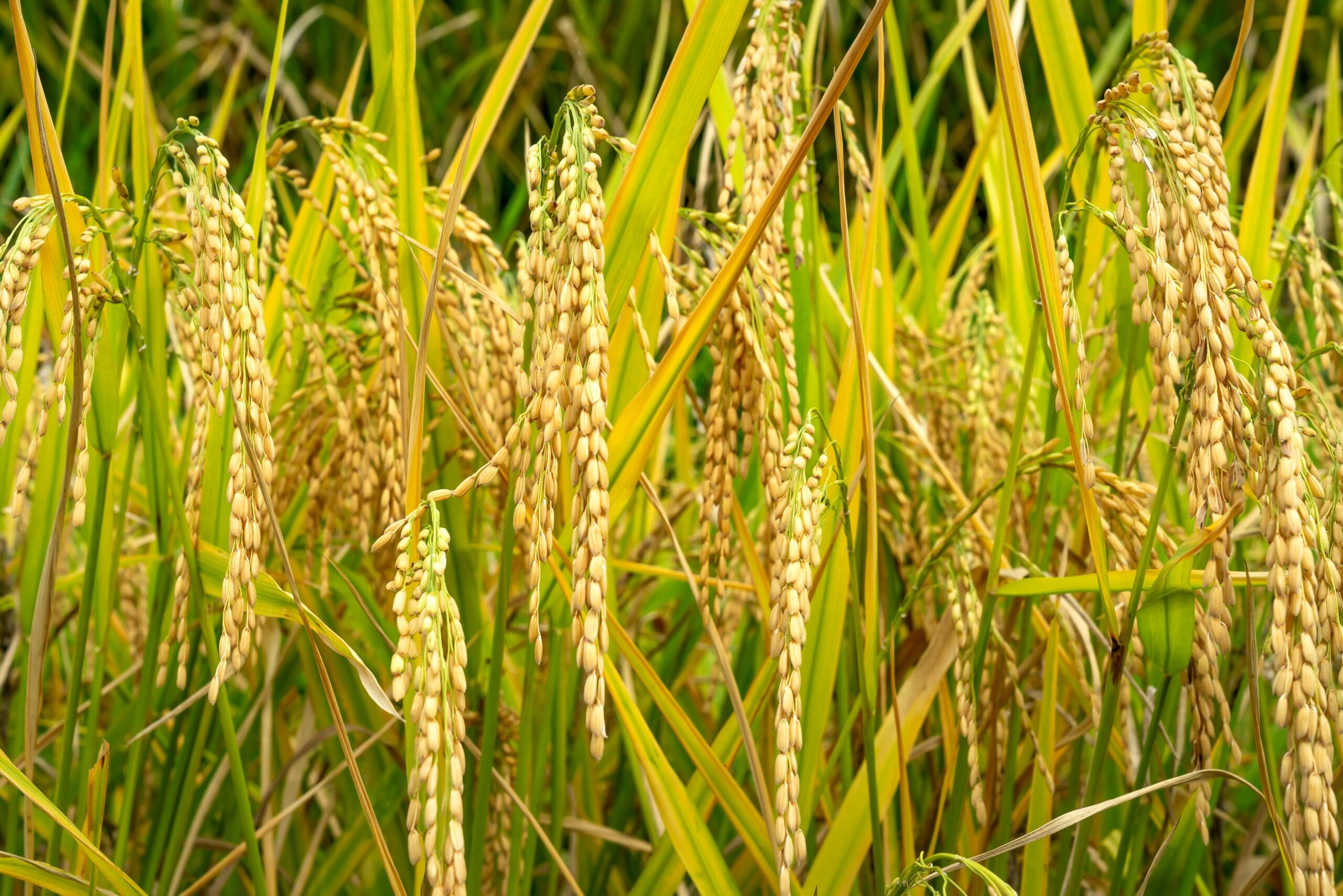
Forced removal and lost land cut many tribes off from foods they had grown, hunted, and gathered for centuries. Food sovereignty work rebuilds those food systems. Tribes are restoring seed banks, buffalo herds, wild rice beds, and traditional farms. Native chefs are cooking with those foods and teaching others how to use them.
For a restaurant, the question is practical. Where does your food come from, who benefits when you buy it, and who gets credit on the menu?
Foods of the Americas Already on Your Menu
Most American restaurants already cook with foods first grown or harvested by Indigenous peoples. Corn, beans, and squash were planted together as the “Three Sisters.” Potatoes, tomatoes, chiles, and peanuts came from the Americas. So did wild rice, turkey, bison, maple syrup, pecans, cranberries, and sunflower seeds. Chocolate and vanilla came from Mesoamerica.
Almost every dish on a Thanksgiving menu uses these foods. Few menus say so.
What Owamni Showed the Restaurant Industry
Owamni opened in Minneapolis in 2021. Chef Sean Sherman and Dana Thompson run it as Owamni by The Sioux Chef. In 2022 it won the James Beard Award for Best New Restaurant.
FSR Magazine described the menu’s main rule. Owamni leaves out ingredients colonists brought over, like wheat, dairy, and refined sugar. It serves dishes like blue corn mush, a bison tartare, and wild rice sorbet instead.
Sherman built the whole concept around that rule. The suppliers, the dishes, and the servers’ explanations all follow from it. A guest can understand it in one sentence. Owamni is one of the best-known examples of Indigenous food sovereignty in a restaurant.
The interest has spread beyond one restaurant. In the James Beard Foundation’s 2026 trends roundup, one chef pointed to restaurants honoring Indigenous farming traditions like milpas. A milpa is a field where corn, beans, and squash grow together.
How Any Restaurant Can Support Indigenous Food Sovereignty
You don’t need to run a Native restaurant to support Indigenous food sovereignty. Start with what you buy and how you describe it.
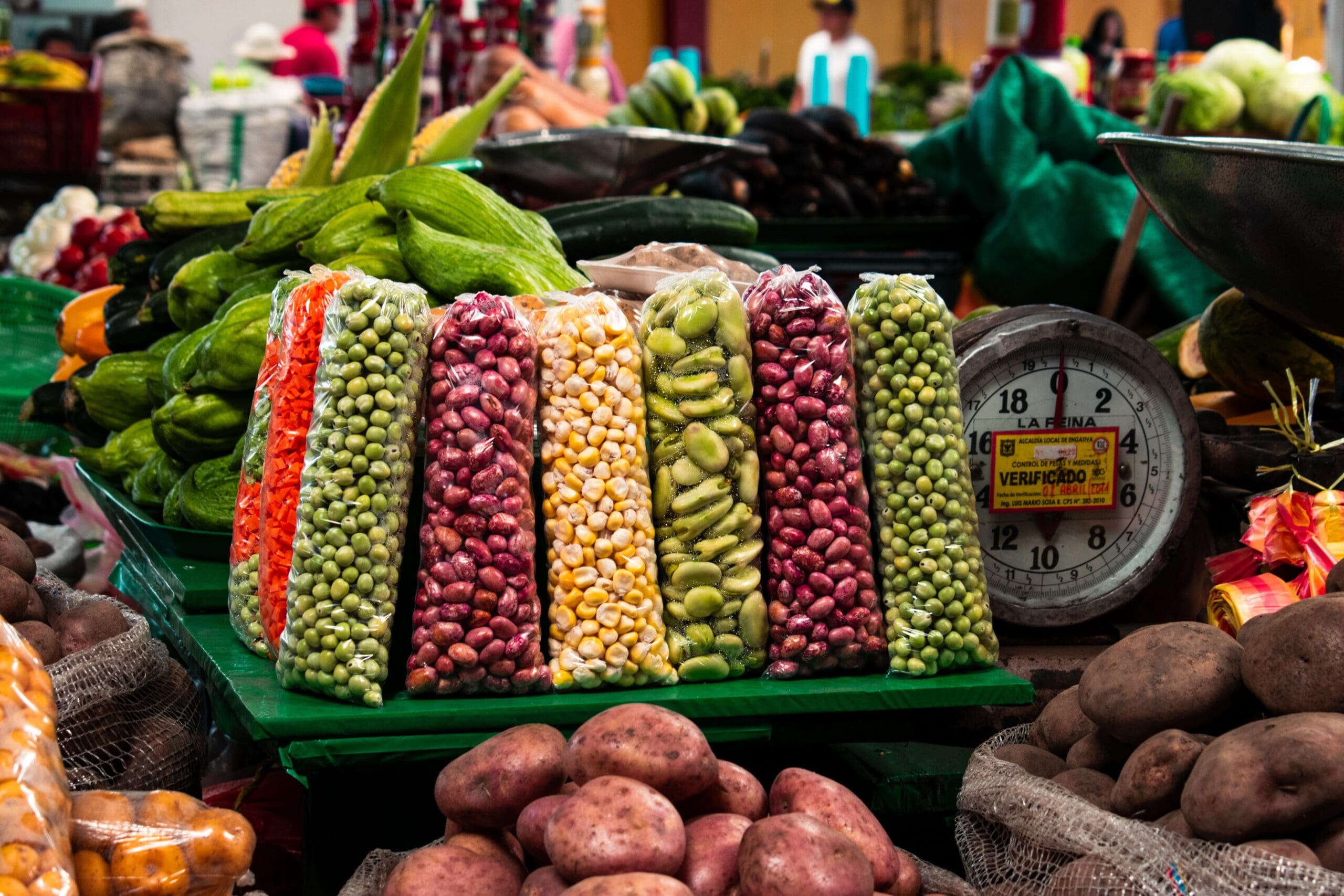
Buy from Native producers. Tribal and Native-owned businesses sell hand-harvested wild rice, heirloom corn, tepary beans, bison, and maple products. Ask your distributor which products qualify, or buy direct. Pay the producer’s price instead of negotiating it down to commodity pricing.
Name the source on the menu. Print the tribe or the producer next to the dish. A producer’s name next to the wild rice tells the guest more than the words “Native-inspired.” It also gives the credit to the people who grew it.
Plan around the harvest. Hand-harvested foods vary year to year. Wild rice comes in late summer, and a poor season means less of it. Talk with producers months ahead and keep the dish flexible.
Train the staff. Servers should know where an ingredient came from and how to pronounce its name. Give them the story in two or three sentences they can repeat at the table.
Leave out the costumes. Headdresses, “tribal” decor, and made-up “Native” dishes insult the communities you’re trying to honor. A one-night theme party does the same. Keep the focus on the food and the people who grow it.
If You’re Building a Concept Around Indigenous Foods
Some concepts use only Indigenous ingredients. If you aren’t Native, bring Native chefs and producers in as partners with a real stake. Give them ownership, a share of revenue, or a paid role in menu decisions. Hiring them as suppliers alone isn’t enough.
Work this out during concept development, before you set the menu, the name, and the design. Changing those later costs more and damages trust.
This is the same approach our Hispanic Heritage Month dining post recommended. Be specific about the region and the people, and give credit by name.
Start With One Ingredient This November
Pick one ingredient for Native American Heritage Month and source it from a Native producer. Put the producer’s name on the menu. Keep it on after November if guests order it.
Restaurants support Indigenous food sovereignty best as steady buyers. A small producer can plan around a regular weekly order. A one-time special doesn’t help them plan.
Want help building a menu or concept around specific producers? Book an introductory call or schedule an advisory session.