
Summer Menu Strategy: When and How to Make the Seasonal Switch
By Ray Camillo /
A good summer menu strategy starts earlier than most operators think. The seasonal switch is a planning decision you make in spring. That way, the kitchen is ready when produce season is in full swing, and folks are eating healthier. Get the timing right, and the change feels effortless. Get it wrong, and you are scrambling in the weeds during your busiest stretch.
I have watched both versions play out year after year. The operators who respect it tend to win. The ones who treat it as a surprise tend to lose margin and miss the season. So let’s talk about when to make the switch. Then how to make it, and which items are worth changing.
Why Summer Math is Different
Summer shifts three things at once. Produce gets cheaper and better. Guest appetites get lighter. Patio volume increases, sometimes sharply. A smart summer menu strategy responds to all three without buggering your whole identity.
Start with cost. When tomatoes, corn, stone fruit, and squash hit peak season, they are abundant and inexpensive. Featuring them is one of the few moves that both lowers food costs and raises perceived quality (…notice how the best strawberries at the grocery store come when they are also at their cheapest?). That rarely happens in this business. Most decisions trade one against the other.
Guest behavior shifts too. People want brighter, cooler, simpler food when it is ninety degrees outside. Heavy braises and cream sauces are ignored. Meanwhile, the appetite for value is still there. The National Restaurant Association’s 2026 Culinary Forecast found that comfort and value are the twin pillars shaping menus right now, with operators leaning into local sourcing to make fresher choices feel attainable…leading to a seasonal switch done well.
When to Make the Seasonal Switch
Timing is the part most operators get wrong. They wait until summer arrives, then react. By then, you are designing under pressure, training during service, and printing menus while guests wait. None of that produces good work.
Build your summer menu strategy on a backward timeline instead. Pick your launch date first. Then count back from there. You need roughly six weeks of lead time for a clean transition. That window covers recipe testing, costing, vendor confirmation, staff training, and reprints.
Here is good timeline for the real world.
- Six weeks out: Decide your launch date. Review last summer’s sales mix. Identify which items to cut and which to add.
- Four weeks out: Test new recipes. Cost every item using current produce pricing. Confirm your seasonal vendors can deliver volume.
- Two weeks out: Train your cooks and service staff. Photograph new dishes. Finalize descriptions and pricing.
- Launch week: Roll out the changes. Watch the first few services closely. Adjust prep pars based on real demand.
Notice what this timeline protects. It keeps recipe development away from live service. Therefore, your team learns new items before guests order them, not during the rush. That single discipline separates a smooth switch from a chaotic one.
How Much of the Menu Should Actually Change
Now the question nobody asks until it is too late. How much should you change? The honest answer is: far less than you think.
A full menu overhaul taxes the kitchen right when it needs to be efficient. Every new item comes with new prep (or prep recipes), and new plating. It is also a new chance for a mistake on a busy Saturday. So resist the urge to reinvent everything. A focused seasonal switch beats a total rebuild almost every time.
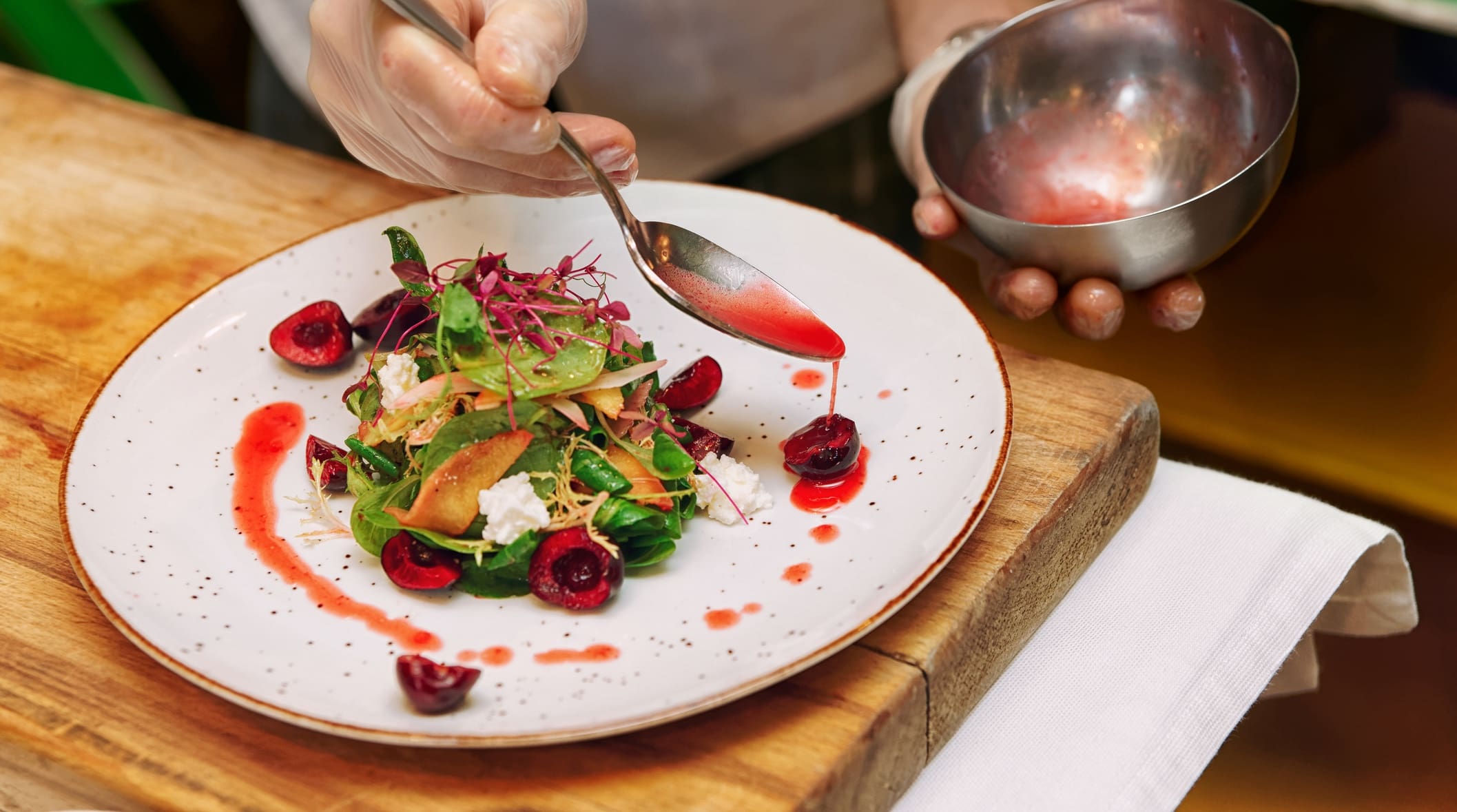
In practice, a strong summer menu strategy changes three to five items, not thirty. Add a small limited-time section that showcases peak produce. A bright salad. A grilled stone-fruit dish. One frozen or low-alcohol cocktail. Maybe a shareable plate built for the patio. That is usually enough to feel seasonal without overwhelming the line.
Keep your proven performers exactly where they are. If a dish sells well and runs at a healthy margin, summer is no reason to touch it. Your regulars come back for those plates. Pull them out and you punish your regulars for no reason.
Use Your Data, Not Your Gut
Use numbers to help you decide what to change, not gut instinct. Pull your sales mix report and run a quick Dog/Star analysis before you change anything. Items that are low-volume and low-margin are your easiest cuts. Items that are high-volume and high-margin are keepers…and worth showcasing.
This is important because excitement for seasonal items can cloud the math. A gorgeous heirloom-tomato dish that costs too much is still a problem, no matter how summery it looks. Let the data tell you whether an item works, not your emotion.
Sourcing: Where Summer Pays You Back
Local sourcing is still important (and may be here to stay), and summer is when it makes the most sense.
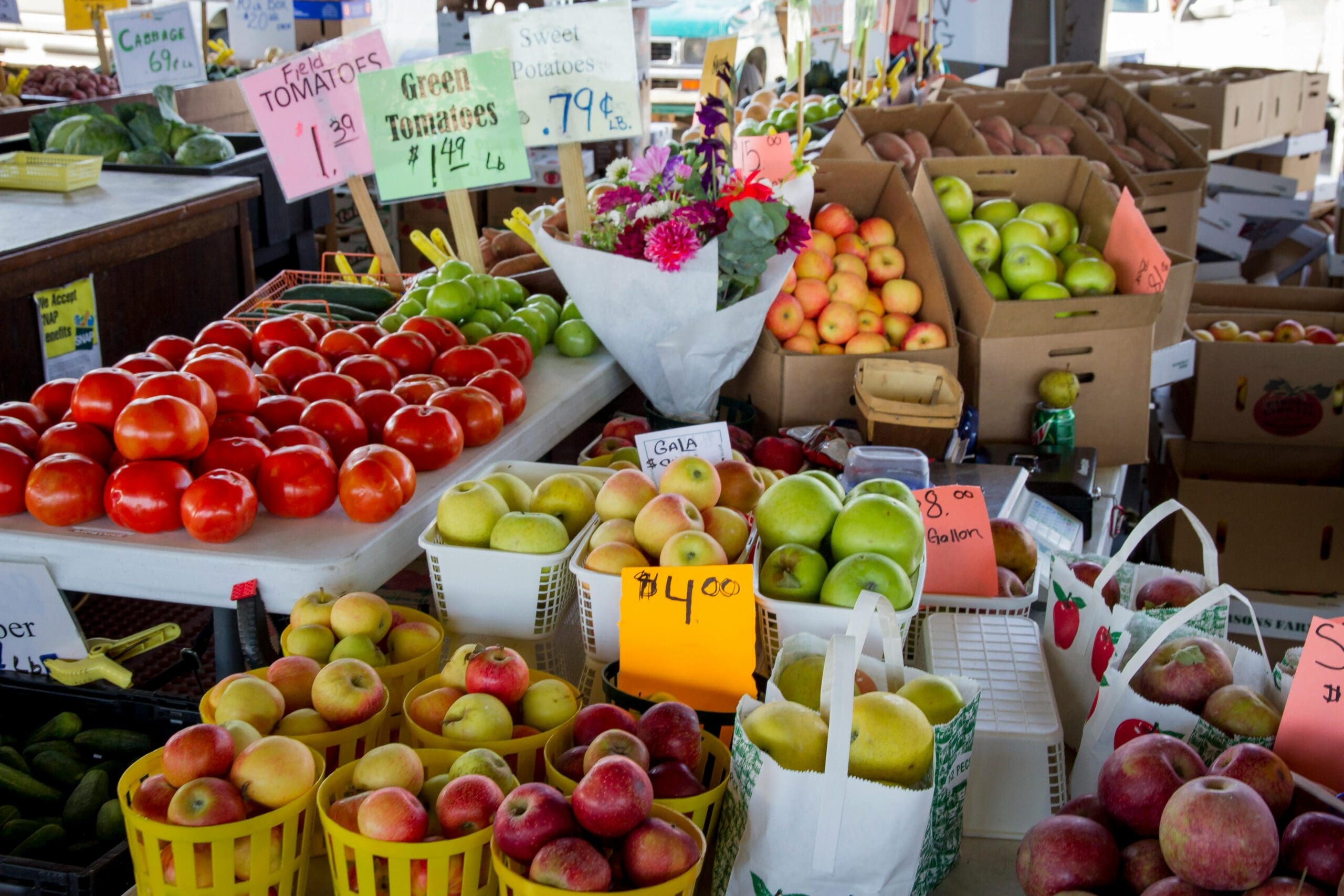
When produce is at its peak locally, the freshest option is often the cheapest. That relationship does not last all year, so use it while it does.
Build relationships with a few local growers before the season, not during it. Farmers reward operators who commit early and order consistently. As a result, you often get first access to the best lots and a heads-up on surplus deals. Those vendors are not eager to support the restaurant that only pays attention to them when they run short.
There is a marketing return here too. Diners increasingly want to know where their food comes from. Naming a local farm on the menu resonates. It also justifies a slightly higher price without having to sell them on the quality. And be specific. “Summer salad” is forgettable. “Riverview Farm tomatoes, basil, sea salt” rings true.
Price the Season Honestly
Pricing is the other side of the equation as cheaper produce does not automatically mean cheaper menu prices. Your labor, your rent, and your overhead did not drop just because corn got cheap. Just remember to hold your margins even when commodity costs go down.
Watch your proteins in particular. Produce may be friendly in summer, but other costs are not. The US Foods summer menu guide cites USDA and Bureau of Labor Statistics data projecting a 3.2% rise in beef prices, and recommends building higher-margin seasonal specials to offset it. That is the right idea. Use cheap, abundant summer produce to offset higher protein prices.
Limited-time offers help here. Guests are less price-sensitive about seasonal food than they are about core menu items. A seasonal special can be more profitable than your regular menu. Build profit into the dish from the start, not after you have already set the price.
Don’t Forget the Patio
Summer changes where guests sit, not just what they eat. If you have outdoor seating, it can drive a meaningful share of summer revenue. Treat the patio like its own profit center, because that is what it becomes for twelve weeks.
A few menu items should be developed specifically for al fresco dining. Shareables travel well to a patio table. Frozen and low-alcohol drinks sell well in the heat. Walk your patio at two in the afternoon and again at six in the evening. Check the shade. Check the flow. A great summer menu strategy fails if the seats are too hot to use at peak hours.
Switch Systematically
A summer menu strategy is about planning, not reacting. Pick your date. Work backward. Change a few items, not all of them. Let your data pick the winners. Source locally while the season supports it. Hold your margins. Mind the patio.
Do that, and the seasonal switch becomes one of the more profitable things you can do all year. Or ignore the planning and get ready for another season of chaos and stress. The choice happens in spring, well before the first hot Saturday.
If you want a second set of eyes on your menu before the season, that is exactly the kind of thing worth a short conversation. Book an introductory call or schedule an advisory session, and we can pressure-test your plan together.