

The Landlord and the Restaurant: A Love Story Gone Wrong
By Ray Camillo /
The restaurant landlord relationship starts like most relationships. Everyone is on their best behavior. The space is full of promise. Both sides see a future together. Then the lease gets signed, the buildout starts, and the honeymoon ends faster than anyone expected.
I have sat on both sides of this table for thirty years. I have watched a restaurant landlord relationship go from handshakes to lawyers in under a year. Almost every time, the breakup traces back to the same handful of misunderstandings. The good news is that they are predictable. Predictable problems are preventable ones.
So let us walk through where it goes wrong, and what each side could have done differently. Consider it couples counseling for commercial real estate.
Different Dreams from Day One
The trouble usually starts before anyone signs anything. The two sides want different things and never say so out loud. A landlord wants a stable, long-term tenant who pays on time and improves the property. A restaurant operator wants a space, a fair deal, and room to survive the brutal first year.
Those goals are not opposed. However, they are not identical either. When neither side articulates them clearly, both assume the other sees the deal the way they do. That assumption is where things start to go wrong. A healthy restaurant landlord relationship starts with an honest conversation about what each party actually needs.
Here is the part operators forget. The landlord has a mortgage too. When the bank comes calling, the property owner pays whether the restaurant had a good month or not. Empathy runs short on both sides, and that shortage costs everyone.
The First Fight: Who Pays for the Buildout
Now we get to the buildout, where most of the early resentment lives. A restaurant is an expensive thing to install.
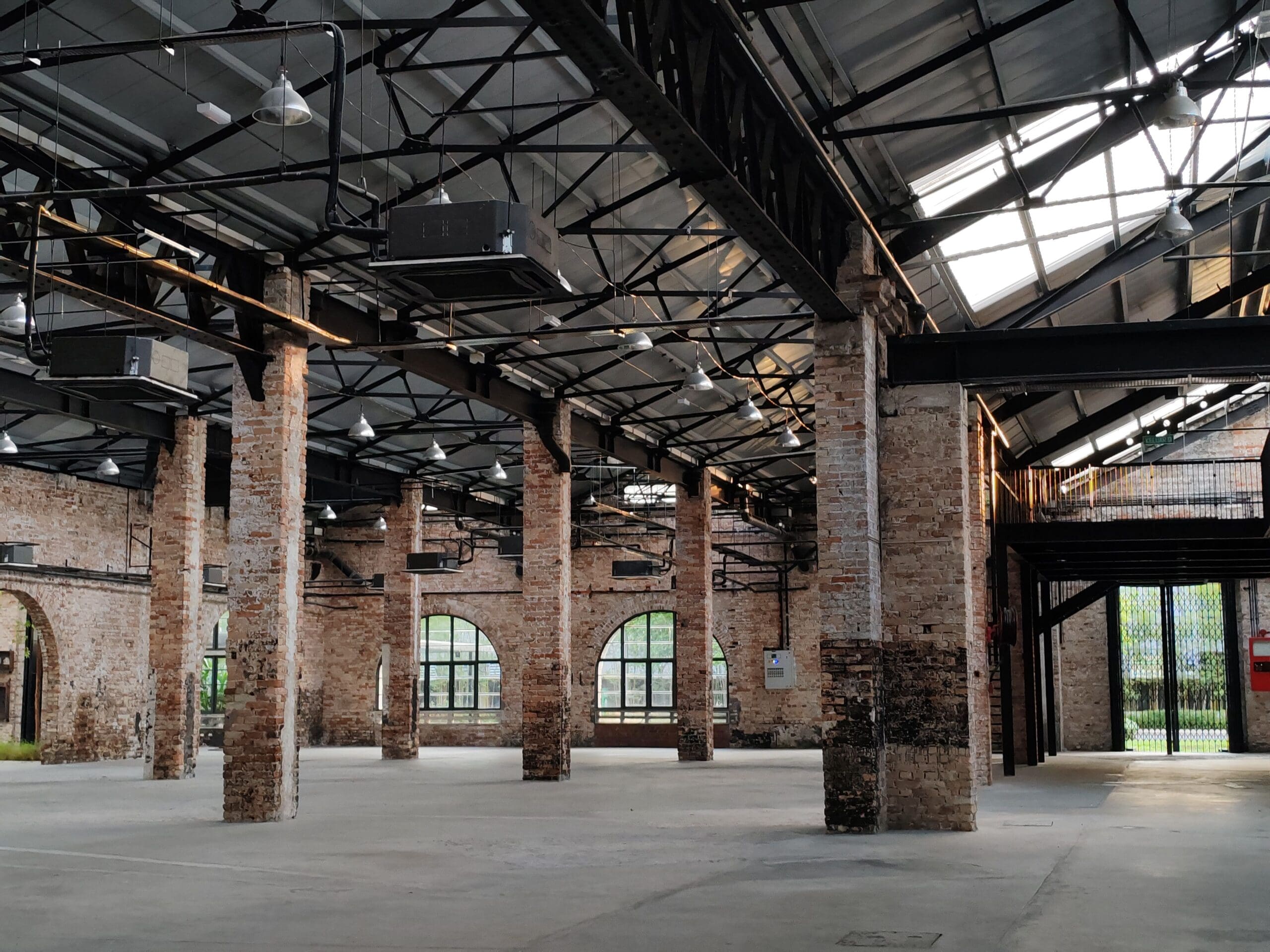
It needs hood systems, heavy power, serious HVAC, floor drains, and a grease trap. A nail salon needs none of that, and it takes its fixtures when it leaves.
This is why the tenant improvement allowance, or TI, becomes the first real test of the relationship. The TI is the landlord’s contribution toward turning a bare shell into a working restaurant. According to commercial real estate firm Mohr Partners, restaurants require extensive buildouts, and tenants should negotiate a TI allowance to offset those costs. Everything about it is negotiable: the amount, the structure, the timing, and the conditions attached.
Where it sours is the gap between what each side thinks is fair. The landlord wants to contribute as little as possible and keep the improvements. The operator wants enough to actually open the doors. Both positions are reasonable. Neither is wrong. The fight comes from treating a negotiation like a betrayal.
How the Smart Couples Handle It
The operators who navigate this well understand one thing. TI scales with commitment. As Atlanta restaurant broker Jimmy Carey explains, a ten-year lease with options supports a higher TI allowance than a five-year deal, and financially strong tenants negotiate from a position of strength. In other words, if you want the landlord to invest in you, show them why you are worth it.
Carey puts it bluntly. Showing up to a landlord negotiation without documented liquidity is like showing up to a job interview without a resume. So bring the financials. Bring the business plan. Make it easy for the landlord to say yes. That is how a restaurant landlord relationship gets off to a strong start.
The Recurring Argument: Rent vs. Reality
Every long relationship has a recurring fight. For restaurants and landlords, it is rent during a slow stretch. The restaurant hits a rough patch. Maybe it is seasonal. Maybe it is a bad quarter. The operator asks for rent relief, and the temperature in the room drops.
From the restaurant side, the request feels obvious. We are struggling, give us room to breathe. From the landlord side, it feels like the deal is being rewritten mid-stream. Both reactions make sense. Both sides also tend to handle the conversation badly, which makes a solvable problem feel like a breach of trust.
The better path is to plan for the rough patch before it arrives. Smart leases build in tools for exactly this. Rent abatement during buildout is common and reasonable. A percentage-rent structure, where rent flexes partly with sales, shares the risk. It keeps both sides aligned. Negotiate those terms while everyone still likes each other. Goodwill is cheap before the lease and expensive after.
The Silent Treatment: Co-Tenancy and Exclusives
Some conflicts simmer for months before they boil over. Co-tenancy and exclusivity clauses are classic examples. An operator opens a taco concept, and six months later a second taco spot opens two doors down. Suddenly the relationship feels like a betrayal, even though nobody broke a rule.
Nobody broke a rule because the operator never asked for an exclusive. An exclusive-use clause prevents the landlord from leasing to a direct competitor in the same property. It is standard and it is negotiable. It is also invisible until you need it and discover you do not have it.
The lesson here is simple. Protect yourself in the lease, not in hindsight. A restaurant landlord relationship rarely survives the discovery that the protection you assumed existed was never actually written down. Read the clauses. Ask the questions. Silence in a lease is not your friend.
Counseling for the Whole Industry
Step back and the pattern is almost funny. The restaurant landlord relationship fails over the same things every time. Mismatched expectations. Buildout money. Rent during slow seasons. Protections nobody negotiated. None of it is exotic. All of it is avoidable.
The fix is not romance. It is clarity. Name what you need out loud. Put the hard parts in writing while goodwill is still free. Treat the negotiation as two reasonable parties solving a problem, not as a contest to win. The best partnerships in this business are not the ones without conflict. They are the ones where both sides saw the conflict coming and planned for it.
Sometimes the lease is the only thing standing between a good concept and an open door. Get help reading it before you sign. We have watched both sides of enough deals to know where the landmines hide.
If you are weighing a space and want a clear-eyed read on the terms before you commit, that is worth a focused conversation. Book an introductory call or schedule an advisory session, and we will walk the lease with you.