
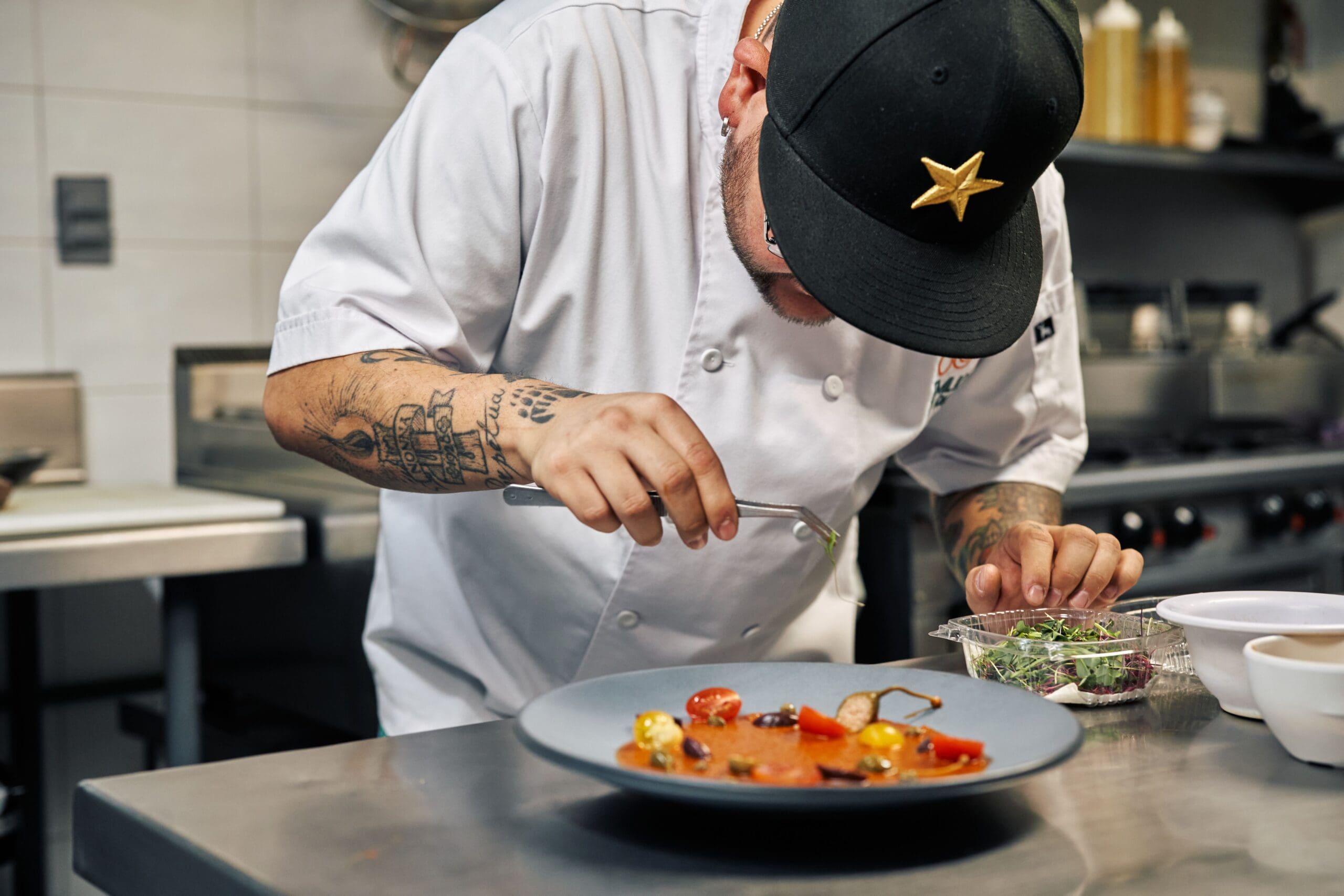
The Case for Shrinking Your Menu (And Why Chefs Resist It)
By Ray Camillo /
Shrinking your restaurant menu is one of the highest-impact moves an operator can make. It is also one of the hardest to actually pull off. Chefs add items every season. Almost none of them remove one at the same rate. Over a few years, a menu can grow past what any kitchen can execute well. It happens one addition at a time. It seems counterintuitive to stop a chef from creating new items, and it also feels right not to upset your customers by taking something off the menu.
I have sat across the table from a lot of chefs on this exact question. It’s rarely a pure business decision, despite being well-meaning. Once you look at the sales mix, the math is usually obvious. The harder part is the conversation about what gets cut. That can feel personal to the person who built the menu, and it should. They built it.
Why Menus Grow and Rarely Shrink
A menu rarely grows because of one bad decision. It grows because of a hundred reasonable ones. A regular asks for a substitution, and it becomes a standing item. Sometimes a chef wants to showcase a new technique. Other times a slow Tuesday feels like the right occasion for a limited-time special that never leaves. Each addition makes sense by itself. Together, they add up to a menu nobody would design from scratch.
Removing an item feels like admitting a mistake, even when it isn’t one. That emotional component runs counter to almost every conversation about shrinking a restaurant menu. The dish was good. Someone loved it. Cutting it feels personal, because for the person who created it, it is personal.
The Case for the Big Menu
Before making the case against a long menu, it deserves an open discussion. A wide menu lets a restaurant serve a broad range of customers without anyone settling. A vegetarian, a picky eight-year-old, and someone celebrating a big night can all find something to order at one table. Certain concepts depend on breadth as the whole point of the visit. Diners and buffets are the clearest examples. Plenty of full-service restaurants also build a following on having something for everyone.
A big menu can also work as a hedge against uncertain demand. If a restaurant isn’t yet sure which dishes will be the draw, offering more options increases the odds that something resonates. That reasoning holds up early in a concept’s life, when nobody has enough history to know better. It holds up far less once a restaurant has two or three years of sales data showing what guests order.
What a Long Menu Actually Costs You
The cost of a long menu rarely appears as one large number. It spreads across a dozen smaller places instead.
More items mean more ingredients in the walk-in. They mean more prep steps on the line, and more chances for a cook to miss one during a rush. Inventory gets harder to manage well. Waste climbs because low-volume items sit in the cooler until they spoil. Training takes longer, too, since a new hire has to learn 40 recipes instead of 25.
According to QSR Magazine, a simplified menu narrows the ingredient list a kitchen has to manage. That lowers food cost directly. Fewer items support smarter bulk purchasing and ingredient velocity (the speed at which ingredients move from the truck to the guest’s plate). They also reduce the specialized skill the line needs to execute everything well. That makes cross-training easier and turnover less costly when it happens. None of that requires new equipment or new capital. It only requires a shorter list.
There is a guest-facing cost too, and it is easy to miss. A guest facing sixty options takes longer to decide. Longer decisions slow down table turns during a rush. A guest facing twenty well-chosen options decides faster and usually feels more confident about the choice. A focused menu often reads as expert, not limited. Ask anyone who has watched a table stall out over a ten-page menu on a busy Saturday.
Reading the Data Before You Cut Anything
Guessing which items to cut is how a good menu turns into a worse one. The Stars, Workhorses, Challenges, and Dogs framework covered in Menu Engineering 101 shows which items earn their place on the page. It works the same way whether you’re shrinking a menu or building one from scratch.
Dogs, the low-volume, low-margin items, are the obvious first cut. Workhorses need a closer look before anyone touches price or portion. Guests love them even when the margin runs thin. Challenges deserve real caution. If an item is a Challenge, it is making good money on the rare occasions it sells. The better move is often a placement change or a rewritten description, not a removal.
Pull the sales mix report before anyone touches the menu. Low-volume, low-margin items are the easy cuts. High-volume, high-margin items get protected, no matter how bored the kitchen has grown with cooking them. Everything in between needs a second look before a decision gets made.
Why Chefs Resist It (and Why That Instinct Makes Sense)
Chefs resist shrinking a menu for reasons worth respecting, not reasons to argue past. A chef built that menu to represent a point of view. Every dish is a decision about what the kitchen can do well and what the restaurant stands for. Cutting an item can feel like cutting a piece of that identity. That reaction is genuine and not to be confused with stubbornness or unwillingness to think beyond their progeny.
There is a real operational worry behind the resistance too, and it is not unfounded. Some chefs have watched a manager strip a menu down for cost reasons alone. No one protected what made the food distinctive in that process. A chef with that history has good reason to be defensive the next time cuts come up. The instinct is not stubbornness. It is a chef protecting a kitchen from being flattened into something generic.
The way through this is to separate two decisions that usually get tangled together. One is what to cut. The other is how much say the chef gets in cutting it. Handle the second one right, and the first one gets much easier.
How to Shrink a Menu Without Losing the Restaurant
The operators who handle this well change three to five items at a time, not the whole thing. A full rebuild taxes the kitchen. It creates real risk on a night the restaurant cannot afford a mistake. A focused round of cuts protects both the food and the ability to execute. Do it with the chef in the room and the data on the table.
Bring the chef into the process early, not after the decision gets made. Review the sales mix together instead of presenting your decision to them. Let the chef propose what stays, and negotiate from there. A chef who helped make the cuts will defend them to the team. A chef who had cuts made for them usually will not.
Time the change with a natural point on the calendar. A seasonal switch, a menu reprint, or a concept refresh all work well. None of them reads as a reaction. Guests rarely notice three fewer choices. They do notice when the kitchen executes better and ticket times drop. They also notice when the dishes that remain taste better. The line is no longer stretched across forty recipes at once.
Give the front of house a heads-up before the guests find out. Servers who understand why an item disappeared can sell the change instead of apologizing for it. Frame the pre-shift conversation around what got better, not what got cut. That framing changes how the whole staff talks about the new menu on night one.
How to Know It Worked
Give the new menu thirty to sixty days before judging it. Pull the sales mix again and compare it against the old one. Food cost percentage should move first, usually within the first two or three weeks. Ticket times should tighten next, once the kitchen has run the shorter list long enough to build real rhythm.
Watch guest feedback too, not just the numbers. A handful of regulars will ask about a missing dish. That’s normal, and it usually fades within a month. If complaints keep coming past that point, that’s a signal. The same is true if a cut item drives more repeat visits than the sales mix suggested. Either way, it’s fair to bring it back. Shrinking a menu is a decision you can revisit. It is not a decision you have to defend forever. Treating it that way takes the pressure off getting it right the first time.
A shorter menu done well does not feel like a loss to guests. It feels like a restaurant that knows exactly what it does. The kitchen runs smoother, the food costs improve, and the dishes that remain get the attention they deserve.
A shorter, sharper menu is core menu development work, not just a cost exercise. A second set of eyes on your sales mix is useful before you make any changes. Book an introductory call or schedule an advisory session, and we will look at the data together.