
National Ice Cream Day: Why Ice Cream Trucks Feel Creepy
By Ray Camillo /
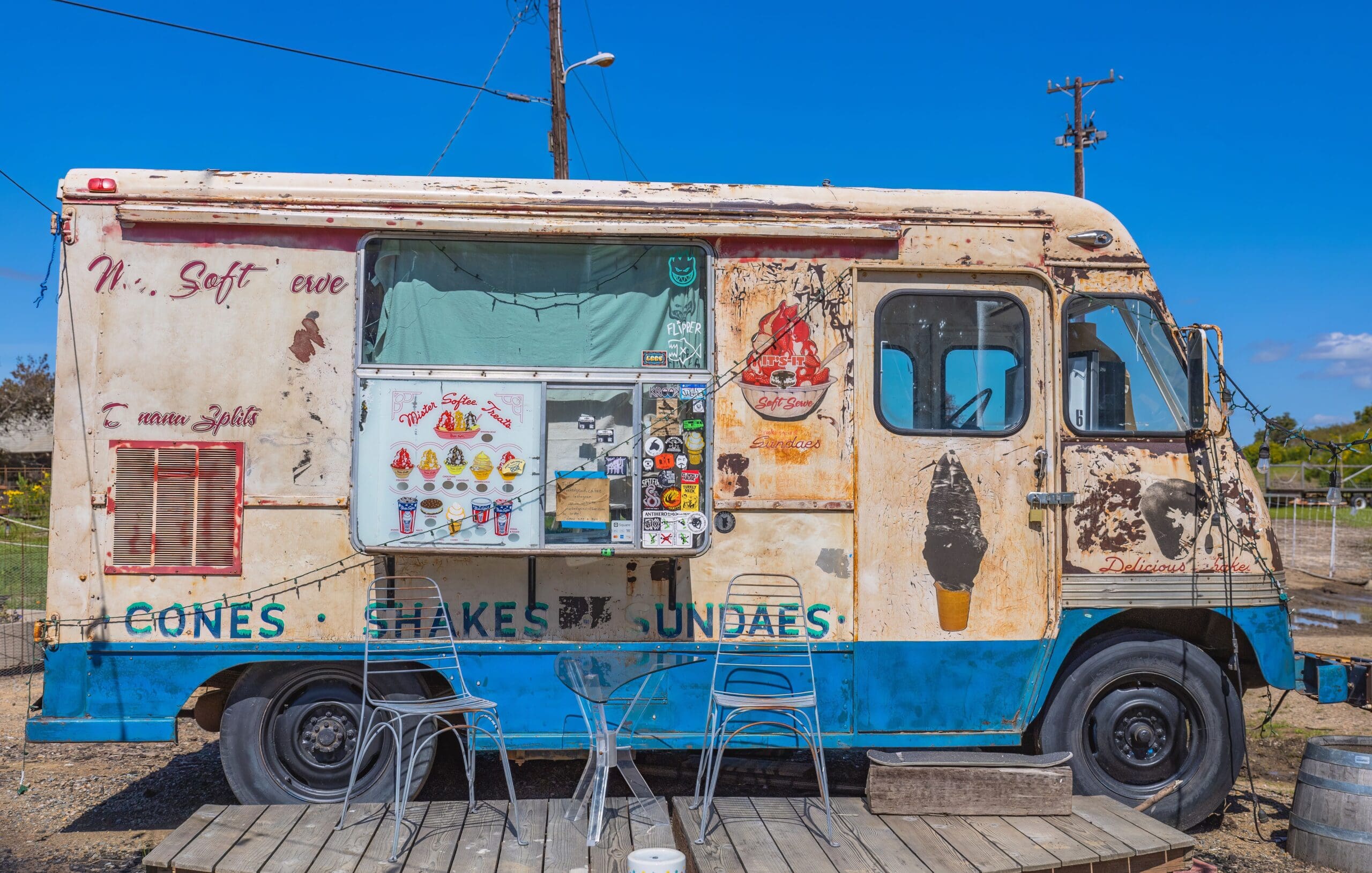
Ice cream truck nostalgia is a strange thing to study. The same jingle that thrills a seven-year-old on a summer evening can unsettle the adult that child grew up into. National Ice Cream Day lands July 19 this year. Worth asking why an object built out of childhood joy still gives so many of us a small chill.
I wrote about creepy ice cream trucks a while back, and the response told me something. People don’t just find the topic amusing. They recognize it. That recognition is the real story here. It says more about how craving and memory work than it does about any actual truck.
The Uncanny Valley, But Make It Dessert
Sigmund Freud’s concept of the uncanny describes something familiar enough to feel safe, but strange enough to unsettle. An ice cream truck fits that description almost perfectly. The vehicle is familiar. The music is familiar. But the combination, a repetitive melody broadcast from a slow-moving stranger’s vehicle through a quiet neighborhood, sits just outside normal.
Children don’t feel this tension because their read of the scene is simpler. Treat arrives, treat is good. Adults carry more context. We’ve absorbed decades of stranger-danger messaging, horror movie tropes, and a general wariness of unfamiliar adults offering things to kids. That context recodes the same scene from delightful to slightly off, even though nothing about the truck itself has changed.
This is worth sitting with, because it’s a clean example of a broader truth about food and memory. The object doesn’t change. The meaning we assign to it does, based entirely on what we bring to that instant.
Why Nostalgia Is Such a Powerful Craving Trigger
Nostalgia works on food in a way almost nothing else does. A smell or a sound tied to a specific memory can trigger a craving faster than the food’s actual taste. That’s part of why ice cream truck nostalgia carries so much weight. The jingle does the work before a single scoop gets served.
Restaurants have caught on to this, and not subtly. Nation’s Restaurant News reported that operators nationwide are leaning into throwback pricing and retro promotions to tap exactly this feeling. White Castle’s chief marketing officer called reviving old menu prices something that “helps feed the soul a little bit.” That framing is the whole trick. Nostalgia isn’t a discount. It’s an emotional shortcut, and consumers pay for it happily.
The same publication has tracked how brands from Denny’s to Burger King have leaned into retro advertising. The bet: a callback to a simpler-feeling era resonates more than a new campaign built from scratch. Friendly’s marked its 90th birthday with 90-cent ice cream scoops. The promotion tied to the anniversary, not a random summer week. That timing detail carries more weight than it looks. It gives ice cream truck nostalgia a specific occasion, instead of asking guests to feel sentimental on command.
None of this works by accident. Nostalgia bypasses the part of the brain that weighs a purchase decision. It goes straight for the part that remembers being a kid on a summer night, waiting for a truck.
Ice cream carries an extra advantage most nostalgic foods don’t: the sensory contrast is built in. Cold against a hot afternoon, sweet against a savory meal, soft against whatever texture came before it. That contrast is part of why frozen treats appear so reliably in comfort-food conversations. The memory does some of the work, and the physical sensation does the rest.
The Driver Is Still Part of the Story
One detail from the original creepy-truck conversation still holds up: the driver. An ice cream truck asks children to trust an unfamiliar adult, based on a uniform and a cheerful jingle. That setup made sense in an era when neighborhoods felt smaller, and stranger danger wasn’t a phrase anyone used yet. It reads differently now.
That shift means something beyond the truck itself. It’s a reminder that nostalgia isn’t static. The same image can mean something different to different generations. What felt purely wholesome to a parent can feel more complicated to their kid. A restaurant leaning on a nostalgic image needs to know which decade it’s actually invoking. The emotional read doesn’t travel cleanly across age groups.
What This Means for the Menu, Not Just the Marketing
Here’s where this stops being a curiosity and starts being useful. If nostalgia is a genuine craving trigger, a menu item tied to a specific memory has a real edge. Consider a soft-serve cone, a retro-branded milkshake, or a limited-time price that echoes what your restaurant charged a decade ago. Each one borrows emotional equity that took years to build somewhere else.
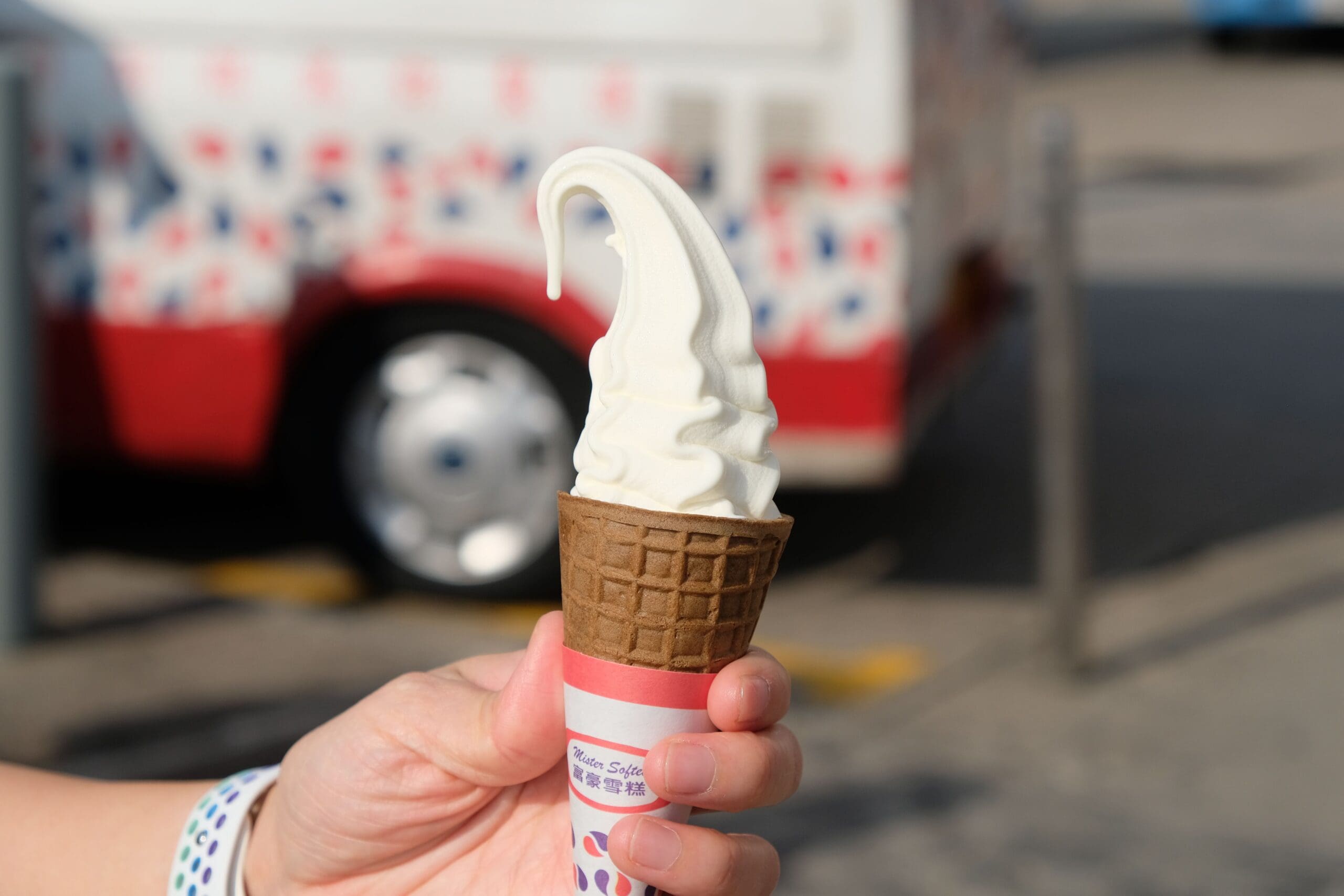
This doesn’t mean every menu should chase nostalgia. A concept built entirely around comfort and memory is a different business than one built around culinary innovation. Trying to be both at once usually waters down whichever one you’re actually good at. But ice cream truck nostalgia is a genuine craving trigger, and that gives you a tool worth having. Especially around an occasion like National Ice Cream Day, when the category is primed for exactly this pull.
Treat nostalgic items the same way you’d treat any other line on the menu. Cost them honestly. Watch how they actually sell against the rest of your mix. Don’t assume the warm feeling alone will carry a weak dish. Nostalgia can get a guest to order something once. Whether it stays on the menu should still come down to the numbers, same as everything else.
The Uncanny Cuts Both Ways
There’s a lesson buried in the creepy side of this too. The uncanny effect appears whenever something familiar gets slightly out of context. A restaurant can accidentally trigger the same unease it’s trying to avoid. That happens when a nostalgic gesture feels forced or disconnected from the guest’s actual memory.
Nostalgia has to feel earned, not performed. A retro milkshake works because milkshakes have always belonged in that emotional category. A random 1950s diner aesthetic bolted onto an unrelated concept reads as costume, not comfort. Guests can tell the difference, even when they can’t explain why.
A Few Places to Start
If nostalgia genuinely earns a spot in your marketing calendar, a few starting points are worth considering. Without turning your whole concept into a theme park.
Pick one memory, not a decade. A specific item, a specific price point, or a specific ritual, the first day of summer, a childhood treat, reads as sincere. A vague grab at “the good old days” reads as filler.
Let the price do some of the talking. A limited-time throwback price, tied to an anniversary or a season, gives guests a concrete reason to notice. Not just a vague warm feeling.
Match the memory to your actual guest base. A retro reference lands only if enough of your guests actually share that memory. Know your crowd before you borrow their childhood.
Keep it occasional. Nostalgia loses its pull fast if it becomes the default. Treat it like a seasonal special, not a permanent identity.
A Word About Timing
National Ice Cream Day sits in the middle of summer, which is exactly why it works as a hook. Guests are already primed for cold, sweet, and nostalgic. A promotion tied to a real date carries more weight than one that could run any week of the year. Lean into the occasion with something concrete: the actual holiday, an anniversary, a specific throwback price. Vague seasonal cheer doesn’t earn the same attention.
Why the Truck Still Gets Us
The ice cream truck works precisely because it hasn’t changed. Same jingle, same slow crawl down the street, same handful of options on the side panel. That consistency is exactly what makes it powerful. It’s also what makes it a little creepy, to an adult brain wired for pattern recognition and mild suspicion.
There’s a business lesson hiding in that contradiction. Ice cream truck nostalgia works because consistency builds the emotional association first. You can’t manufacture a decade-old memory this quarter. You can only decide, right now, what you want a guest to remember ten years from now. Then hold that experience steady long enough for the memory to actually form.
National Ice Cream Day is a small, silly excuse to think about ice cream truck nostalgia, which isn’t small or silly at all. The way food and memory tangle together. How much power that tangle has over what people order, what they pay, and what they come back for. The truck is still out there, jingle and all. Most of us will hear it this July and feel two things at once. That’s not a flaw in the system. That’s the system working exactly as intended.