

The Hidden Cost of High Turnover (And How to Stop the Bleeding)
By Ray Camillo /
Restaurant staff turnover costs more than most owners realize, and most owners already know it’s expensive. The industry average sits north of 70% annually. In some segments, it’s well over 100%.
But when we work with restaurant owners who are dealing with high turnover, what surprises them most isn’t the reporting of the number. It’s the actual dollar figure tied to losing one hourly employee.
Let’s do the math. And then let’s talk about what actually fixes it.
What Restaurant Staff Turnover Actually Costs Per Employee
Cornell University’s hospitality research has put the cost of replacing a single hourly restaurant employee at between $2,000 and $5,000 when you account for all the factors. Here’s how that adds up.
There’s the separation cost – the administrative processing, any final pay obligations, and the cost of an exit interview if you conduct one. Then there’s the vacancy cost: the shifts that don’t get filled, or get filled by someone on overtime, or get covered by a manager who now can’t manage.
Then comes the rehire cost: job postings, screening time, interview time, background checks. After that, training: onboarding days, orientation materials, the time a senior employee spends showing someone the ropes instead of doing their own job.
And then the productivity learning curve – the weeks or months it takes a new employee to reach full effectiveness. During that window, speed is slower, mistakes are more frequent, and your regulars notice.
For a restaurant running 30% annual turnover with 20 employees, you’re looking at replacing 6 people per year. At even $3,000 per replacement, that’s $18,000 in annual cost that never appears as a line item in your P&L. It’s just absorbed into overtime, lower productivity, and owner exhaustion.
The Costs That Are Harder to Quantify
Restaurant staff turnover doesn’t just cost money. It costs culture.
When tenured employees leave, they take institutional knowledge with them. They knew how the regulars liked their orders. They knew who to call when someone didn’t show up. They were the people new employees watched to understand how things were really done here.
High turnover also creates a self-reinforcing cycle. When good employees see constant churn around them, they start questioning whether this is a place worth staying. The instability becomes the culture. And once that perception sets in, it’s much harder to attract quality candidates.
The Tethered Titans we work with, owners who are successful but stuck in the weeds, often trace their operational exhaustion directly back to turnover. They’re not running a restaurant anymore. They’re running a perpetual recruiting and training operation.
Why Training Systems Are the First Fix
Most restaurant turnover isn’t caused by pay alone. Research from the National Restaurant Association consistently shows that employees leave managers before they leave jobs. And managers fail employees most often because there are no systems to support them.
When we work with operators on Training Solutions, the first thing we look at is consistency. Does every employee go through the same onboarding? Does every manager run a shift the same way? Is there a written playbook, or does tribal knowledge walk out the door every time someone quits?
The restaurants with the lowest restaurant staff turnover tend to share a few common traits. They have documented training programs, not just shadowing. They have clear expectations communicated early and reinforced consistently. They have managers who are actually trained to manage, not just promoted because they were good on the floor.
None of this is complicated. All of it requires intention.
The Manager Problem
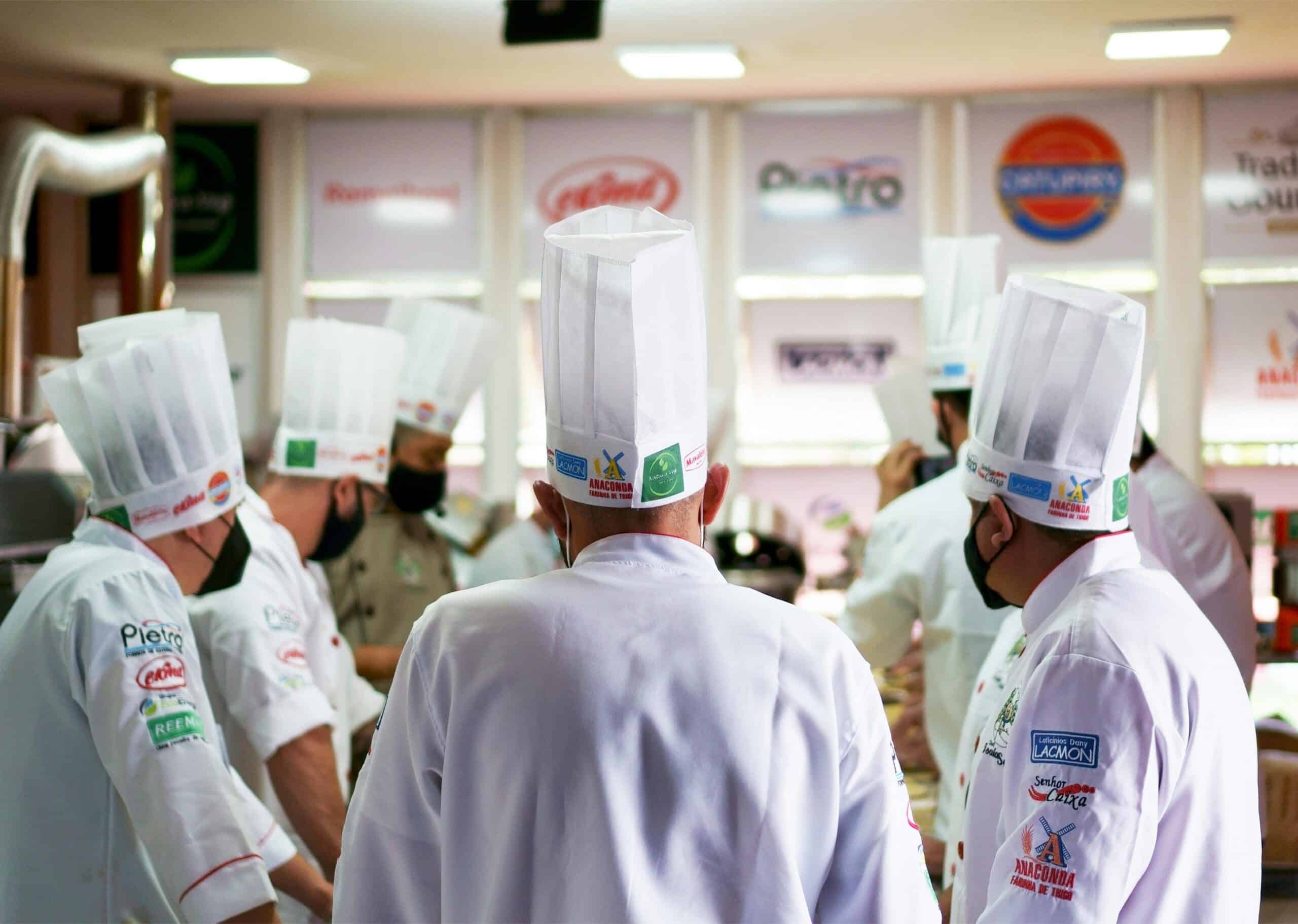
If your turnover is concentrated in one shift, one section, or one part of the week, look at who’s running those shifts.
Turnover clusters are almost always a management signal.
We see this pattern regularly in engagements with operators that have one location performing well and another churning through staff. The food is the same. The menu is the same. The pay is the same. The difference is the person running the show.
Addressing that requires an honest assessment – and sometimes a hard conversation – about whether your managers have the skills and support to lead effectively. Training your managers to manage is often a faster path to stability than any retention bonus or wage increase.
Practical Steps to Start Reducing Turnover
You don’t need a big HR infrastructure to move the needle on restaurant staff turnover. Here are four things that work.
- First, document your training. Even a basic written checklist beats nothing. It creates accountability and consistency.
- Second, conduct 30-day check-ins with every new hire. Ask what’s working and what’s confusing. Most employees who leave in the first 90 days had concerns that were never surfaced.
- Third, train your shift leaders before you promote them, not after. The gap between a good employee and a capable manager is where most operational instability originates.
- Fourth, measure it. Track turnover by month, by position, and by manager. The data tells you where to focus.
If turnover has become a structural problem at your restaurant, our Training Solutions and Operations Support work is built to address exactly this. Book an introductory call or schedule an advisory session – we can help you identify where the system is breaking down and build a plan to stabilize it.