
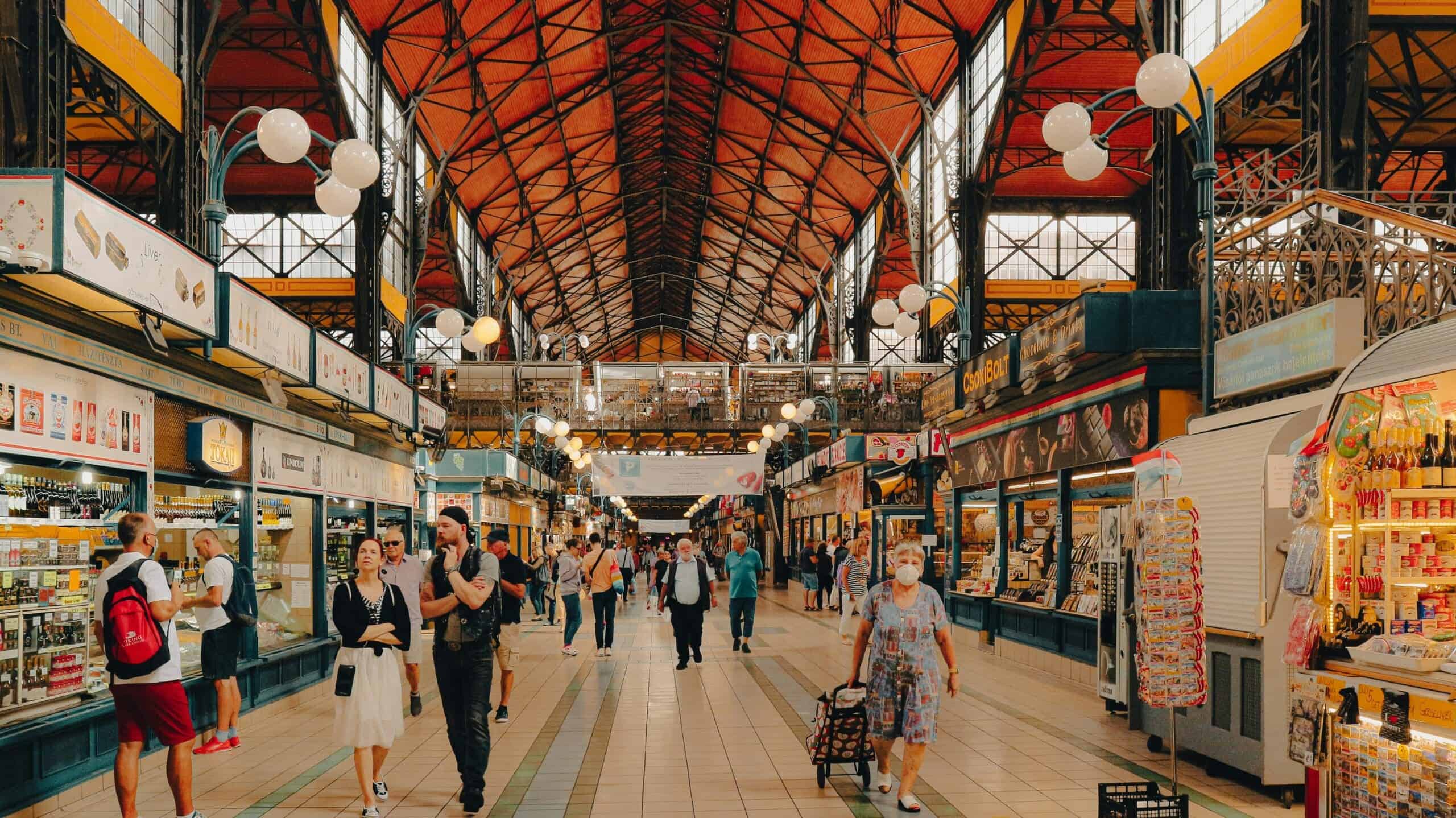
Food Halls: Are They Still the Hot Concept – or Just Hype?
By Ray Camillo /
Food hall consulting used to be one of the most energizing conversations in restaurant development. Developers loved the concept. Chefs loved the exposure. Diners loved the variety.
Then the market got crowded. Then COVID hit. Then inflation arrived. Now the question isn’t whether food halls are interesting. The question is whether their math works.
The answer, as with most things in this industry, is: it depends. But the factors that determine success have come into clearer focus over the past few years. Let’s look at what’s actually working.
What Made Food Halls Attractive in the First Place
The original food hall value proposition was compelling. Developers got anchor-style traffic without signing a single-concept lease. Chefs got a low-cost entry point to test concepts and build followings. Diners got a reason to stay longer and spend more.
From a food hall consulting standpoint, the model made sense when real estate was reasonable, construction costs were manageable, and consumers were hungry for novelty.
That environment has changed significantly. Construction costs are up 40% or more in many markets since 2019. Consumer novelty has worn off in markets that have been oversupplied. And the operational demands on vendors – especially around labor and food costs – have intensified.
That doesn’t mean the concept is broken. It means the pencil has to be sharpened.
The Vendors Who Struggle (and Why)
The food hall model shifts significant risk to individual vendors. That’s by design. But it also means vendors who aren’t capitalized for the learning curve tend to fail publicly.
Common failure patterns include vendors who underestimate the volume required to cover their all-in costs, underestimate labor demand during peak hours, and overestimate how quickly they’ll build a following in a new market.
From a food hall consulting perspective, vendor curation matters as much as the hall’s design. A well-curated mix with operators who understand food hall economics tends to stabilize the whole property. A poorly curated mix creates visible turnover that erodes consumer confidence fast.
Landlords and developers who approach vendor selection the same way they’d approach any retail leasing – focusing on covenant strength and rent – often end up with a fundamentally different problem than they expected.
What’s Actually Working in Food Hall Development
The food hall concepts that are performing well in 2024 and 2025 share a few characteristics.
First, they’re built around a clear identity. The strongest halls aren’t just collections of vendors — they’re curated around a theme, a neighborhood identity, or a culinary point of view. That gives diners a reason to seek them out specifically, not just stumble in.
Second, the economics are designed from the beginning to work for vendors, not just the landlord. That means realistic revenue-per-square-foot projections, thoughtful shared infrastructure (commissary kitchens, shared POS, shared staffing in some cases), and lease structures that allow vendors to survive their ramp-up period.
Third, the marketing and programming infrastructure is baked in. The halls that win aren’t waiting for vendors to market themselves. They’re building events, social media presence, and community programming as a property-level investment.
The Landlord and Developer Perspective

If you’re a developer considering a food hall component for a mixed-use property, the due diligence process is different than it was five years ago. The market has produced enough case studies (good and bad) that there’s real data to analyze.
The key questions to pressure-test: What is the realistic foot traffic baseline for this location, and how much of it converts to food hall visits? What’s the competitive landscape within a 15-minute radius? What does vendor breakeven look like at realistic volume, and how long is the ramp up period?
Getting those questions answered before you commit to the concept saves significant pain. Our Concept Development work and Landlord Support engagements are built around exactly these questions – helping developers and portfolio builders evaluate the real opportunity before they’re committed.
The food halls that open with a clear-eyed economic model tend to be the ones that survive the inevitable early turbulence.
Should You Still Consider a Food Hall?
Yes – but with eyes wide open. The concept isn’t hype. It has genuine advantages for the right location, the right developer, and the right market. But it’s not the automatic traffic generator it was once marketed as.
The developers and hospitality groups we work with who are succeeding with this model tend to approach it the same way they’d approach any complex project. They do the market work. They build the economics honestly. They curate thoughtfully. And they invest in the programming that makes a food hall a destination, not just a food court with better signs.
If you’re exploring a food hall component for a development project, book an introductory call or schedule an advisory session with our team. We’ve worked with developers across the country on mixed-use food and beverage strategies, and we’re happy to help you figure out whether the model fits your project.