

Remember Why You Opened This Restaurant
By Ray Camillo /
Your restaurant is profitable enough to survive, but not thriving the way you envisioned. The numbers work on paper, but the daily grind has become exhausting. You’re caught in operational firefighting mode, and somewhere along the way, you stopped thinking strategically.
Here’s what almost no one tells struggling restaurant owners: you probably made a smart investment. The problem isn’t usually the concept or the location. It’s that you’ve drifted away from the original vision that made this a viable business in the first place.
The Investment Case You Built Still Holds
When you first modeled this restaurant, you identified specific competitive advantages. Maybe it was your location’s built-in traffic. Perhaps it was your chef’s particular expertise or your access to premium local ingredients. Possibly, it was an underserved dining occasion in your market. Those advantages haven’t disappeared. They’ve just been buried under operational compromises and concept scope creep. 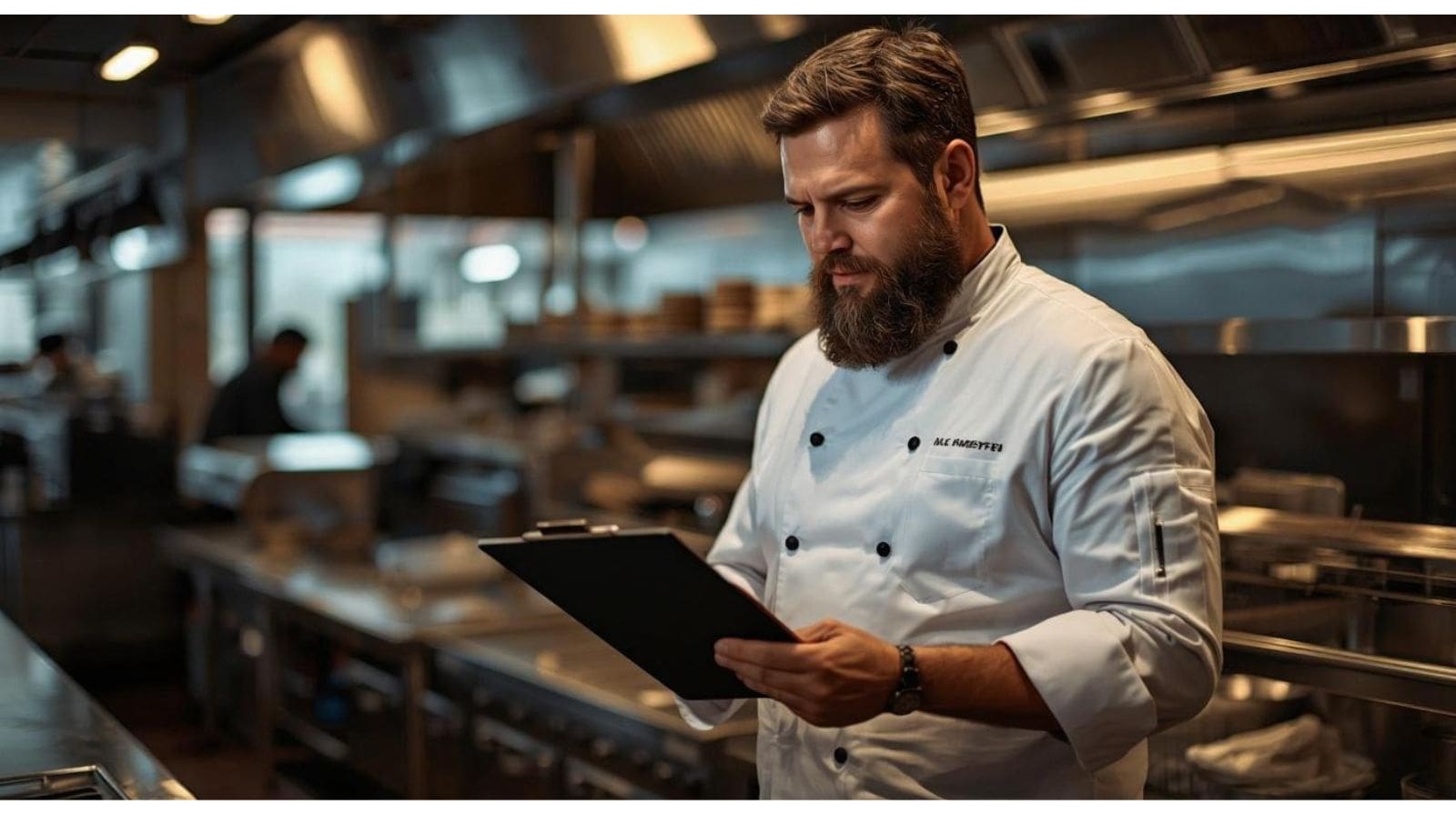
We recently worked with a restaurant owner in Charleston who’d built a successful coastal seafood concept. Three years in, profitability had plateaued. When we reviewed his original business plan, the strategy was clear: feature day-boat fish, maintain a tight 22-item menu, and turn tables efficiently for a local business lunch crowd.
Somewhere around year two, he’d expanded the menu to 40+ items, added an expensive Sunday brunch program that his location couldn’t support, and stopped emphasizing the boat-to-table sourcing story that differentiated his concept. The restaurant was still making money, but margins had eroded, and he was working 70-hour weeks.
Three Questions to Realign Your Restaurant
- What guest need were you solving? Go back to your original concept. You identified a market gap. Are you still solving that problem, or have you diluted your focus trying to be everything to everyone?
- What made your unit economics work? Your initial profit model balanced food cost, labor cost, and average check size in a specific way. Where have you deviated from that formula? A 2% increase in food cost and a 3% increase in labor cost destroy your bottom line faster than you realize.
- What operational systems did you plan to implement? Most restaurant turnaround projects reveal the same issue: the owner never built the systems they knew they needed. Recipe costing fell by the wayside. Training programs became informal. Scheduling became reactive instead of strategic.
The Path Back
Restaurant operations consulting helps you rediscover what made your concept viable and eliminate what’s draining resources without generating proportional returns.
- Start with your menu. Conduct honest menu engineering analysis. Which items are actually profitable? Which are popular but destroying your margins? Which are complexity nightmares that slow down your kitchen?
- Next, audit your labor. Are you staffing based on historical sales data, or are you scheduling based on hope and habit? Most plateaued restaurants are overstaffed during slow periods and understaffed during peak service.
- Finally, reconnect with your original guest. Your restaurant solved a specific problem for a specific diner. Are you still delivering that solution consistently, or has your service model become muddled?
Your Investment Still Has Upside
The restaurant industry rewards focus and punishes distraction. You built something valuable. The fundamentals that made this a sound investment haven’t changed. What’s changed is your operational discipline and strategic clarity. Both are fixable.
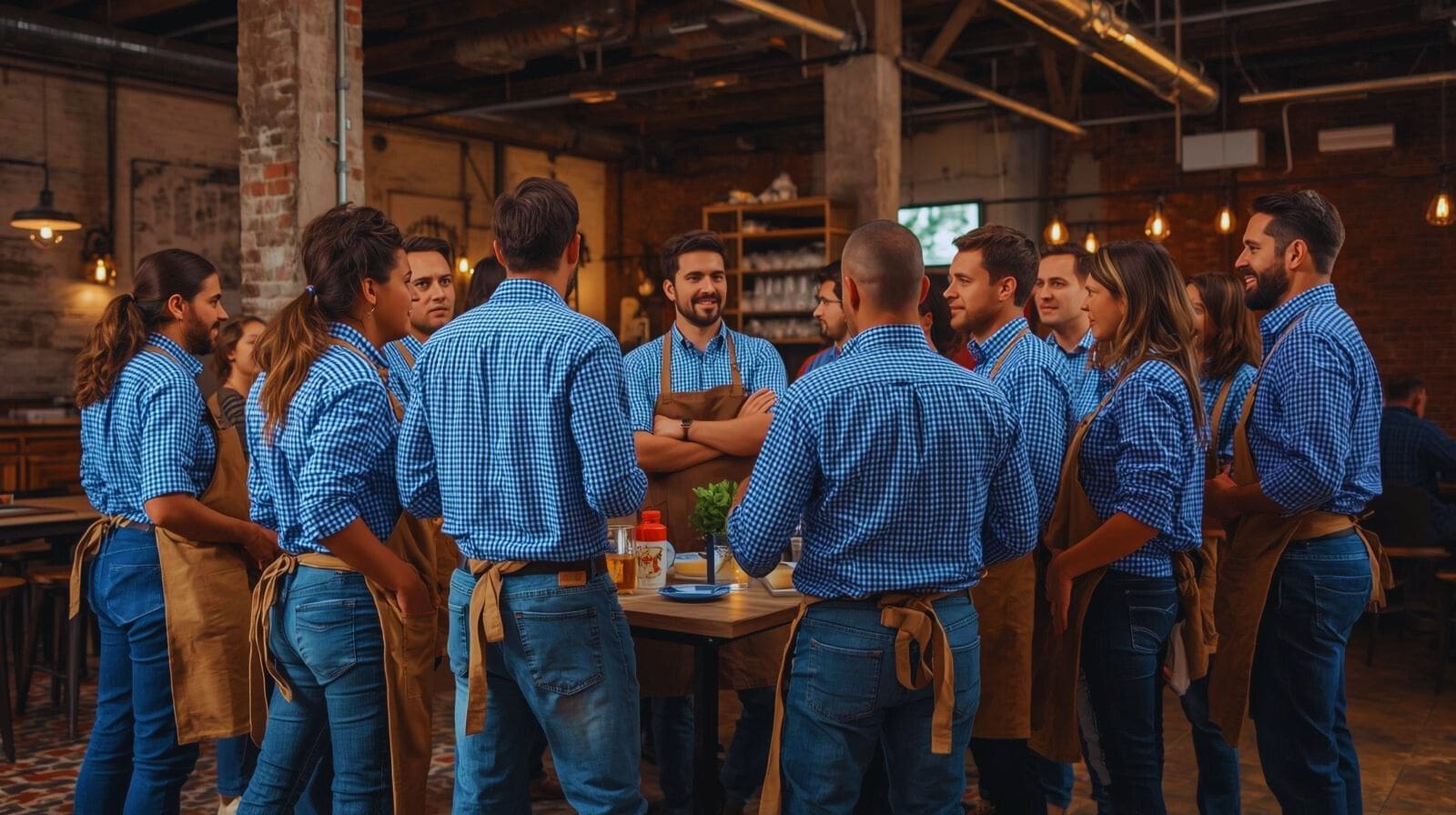 We’ve guided hundreds of restaurant owners through targeted operational improvements that restored profitability without requiring major capital investment. The solutions are usually simpler than you think: tighten the menu, recalibrate your labor model, and recommit to the concept that brought guests through your doors in the first place.
Book an introductory call or schedule an advisory session. Let’s identify which operational levers will restore your restaurant’s momentum and give you back the business you originally built.