
Top 5 Restaurant Concepts Worth Opening in 2026
By Ray Camillo /
The restaurant industry is entering a new chapter, and the opportunities for independent operators have never been better. If you’ve been researching what type of restaurant to open, you’re likely overwhelmed by options. The good news? The market is telling us exactly what works right now. After three decades of watching restaurant concepts succeed and fail, here’s what we’re seeing gain real traction in 2026.
Fast Casual with Elevated Ingredients
The fast-casual segment continues to prove durable, but the winning formula has shifted. Guests want speed and convenience without sacrificing quality or ethics. Consider grain bowls with heritage grains, sandwiches built on house-baked sourdough, or counter-service concepts that highlight sustainable agriculture. The unit economics work because you’re charging $14-18 per entrée while keeping labor lean through simplified prep and counter service. Your food cost sits around 28-32%, but guests accept the premium because they understand the sourcing story.
Beverage-Forward Concepts with Small Plates
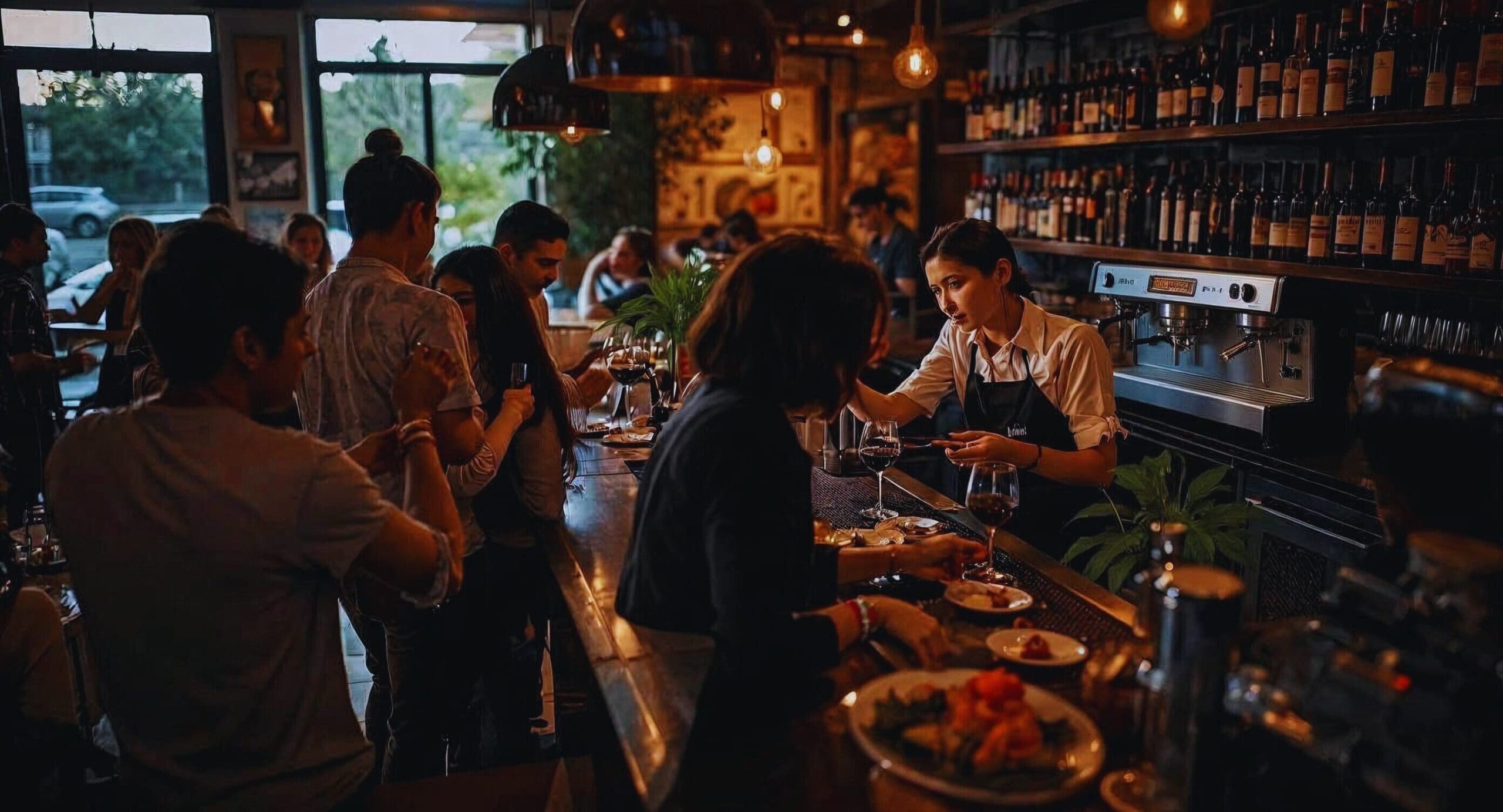
Coffee shops that transform into wine bars at 4 PM. Cocktail lounges with serious small plates programs. These hybrid concepts solve the daypart problem that sinks so many single-concept operations. The brilliance here is threefold: you’re maximizing rent per square foot, you’re building multiple revenue streams, and you’re creating a neighborhood gathering spot rather than a transactional dining experience. Early-stage investors love these models because the path to profitability is clearer than traditional full-service restaurants.
Regional Cuisine with Modern Execution
American diners are finally ready to explore beyond the usual suspects. We’re seeing Oaxacan, Filipino, West African, and Georgian cuisine find passionate audiences in markets that would have been considered too risky five years ago. The key is pairing authentic technique and ingredients with approachable service formats. A Filipino fast casual in Nashville can work if the menu is clearly explained and the price point is accessible. Restaurant consulting projects focused on menu development and staff training become critical here because authenticity matters, but so does execution consistency.
Bakery-Café Hybrids
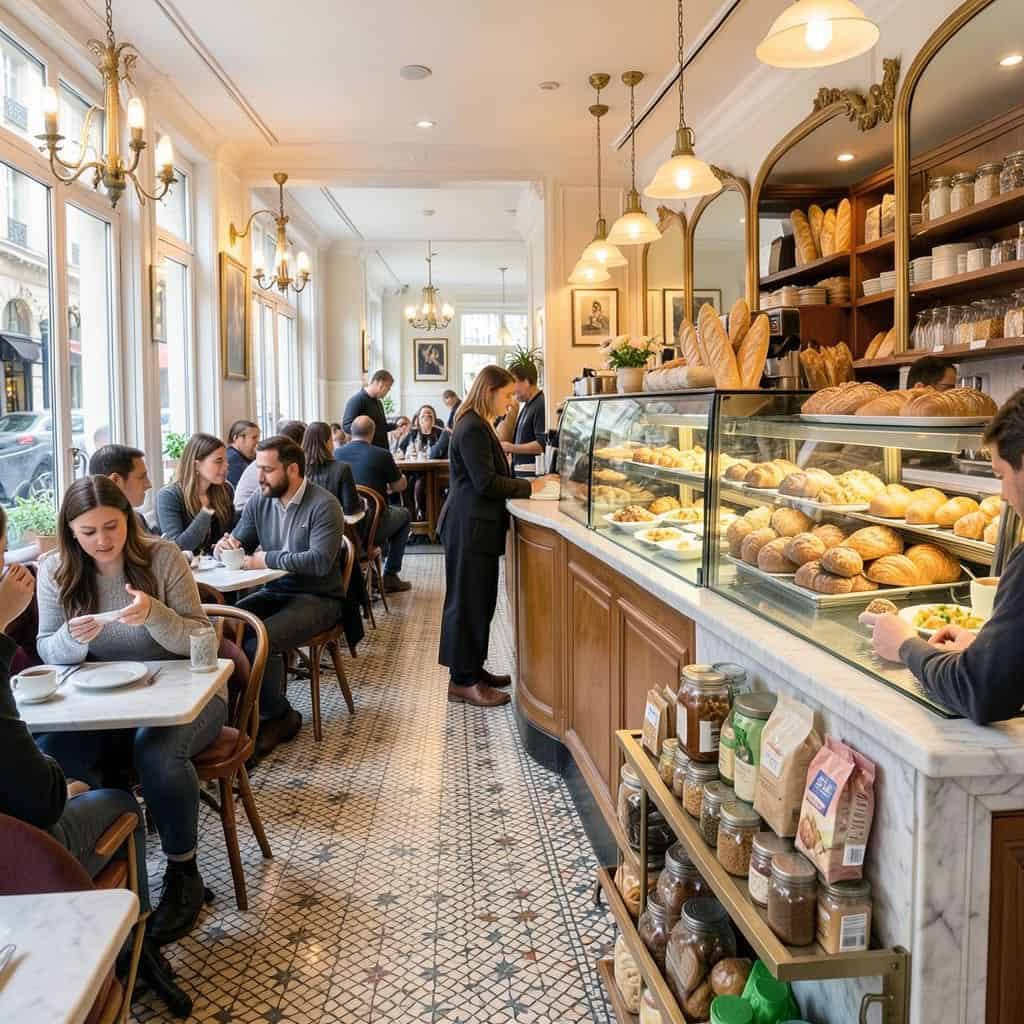
The European café model is having its moment in American markets. Fresh bread programs, house-made pastries, composed breakfast and lunch plates, and a retail section selling pantry items and baked goods to go. These concepts win because they create multiple margin opportunities. Your bread and pastries subsidize the café operation, and your retail section turns inventory into incremental revenue. The challenge is operational complexity, which is where restaurant operations consulting becomes valuable early in the process.
Health-Focused Comfort Food
This isn’t the green juice and açai bowl trend from 2015. Today’s health-conscious guests want familiar comfort foods executed with better-for-you ingredients and transparent sourcing. Plant-forward burger concepts, better-quality fried chicken made with pastured poultry, pizza with naturally leavened dough, and organic produce. The market research is clear: guests will pay 20-30% premiums for these elevated versions of familiar favorites, especially in affluent suburban markets where Explorers often build their first restaurants.
What These Concepts Share
Notice the pattern? Every concept on this list solves a specific guest need while maintaining operational clarity. They’re not chasing trends; they’re responding to proven consumer behavior.
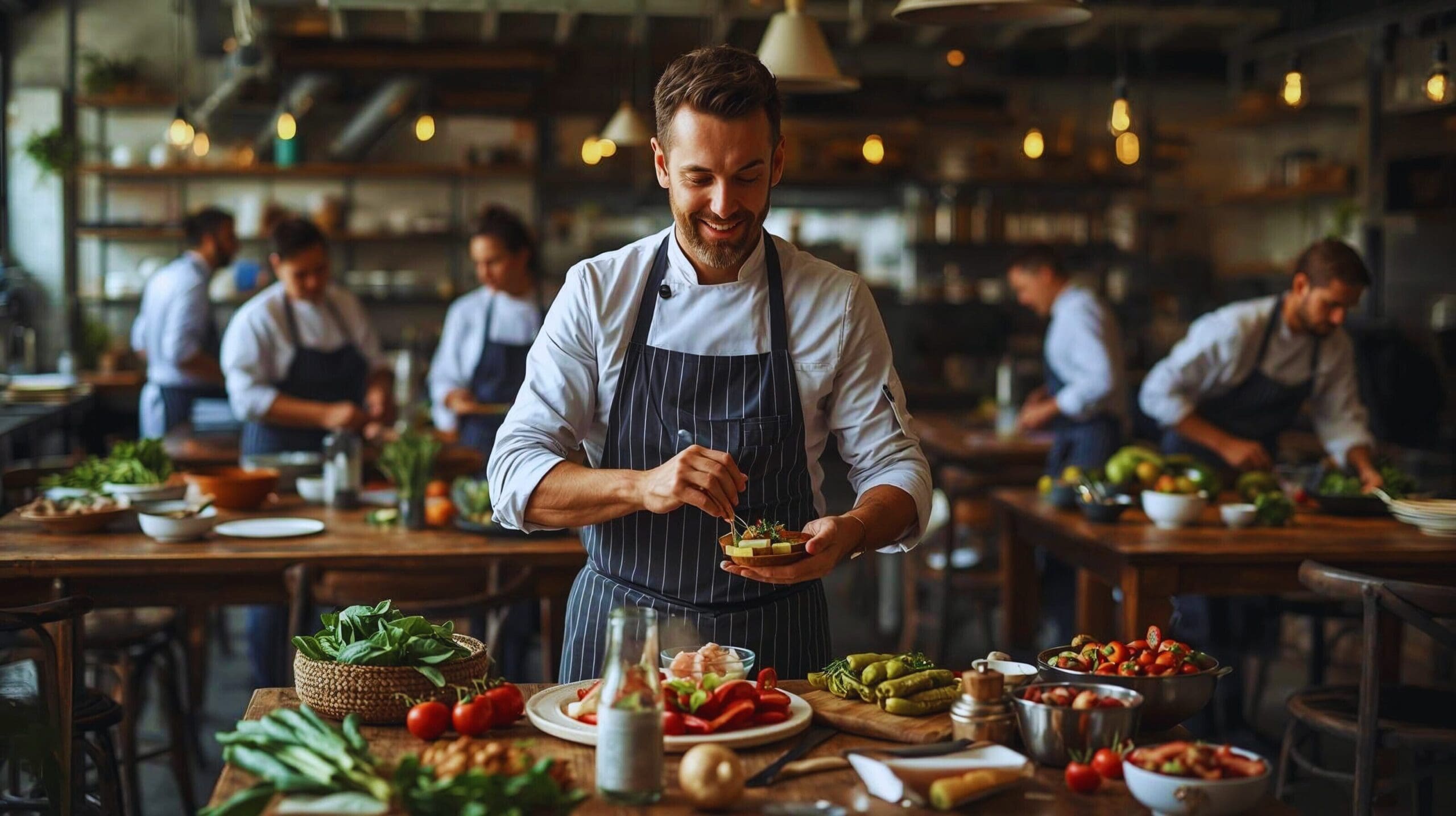 Before you commit capital to any concept, validate your assumptions. Talk to potential guests. Study your competition. Build a realistic profit model that accounts for your specific market conditions. We’ve guided hundreds of first-time restaurant owners through concept development and feasibility analysis. The ones who succeed start with clear-eyed assessments of what their market actually needs, not what they wish it needed.
Book an introductory call or schedule an advisory session to discuss which concept aligns with your vision, your market, and your resources. The right concept decision made now saves years of struggle later.