
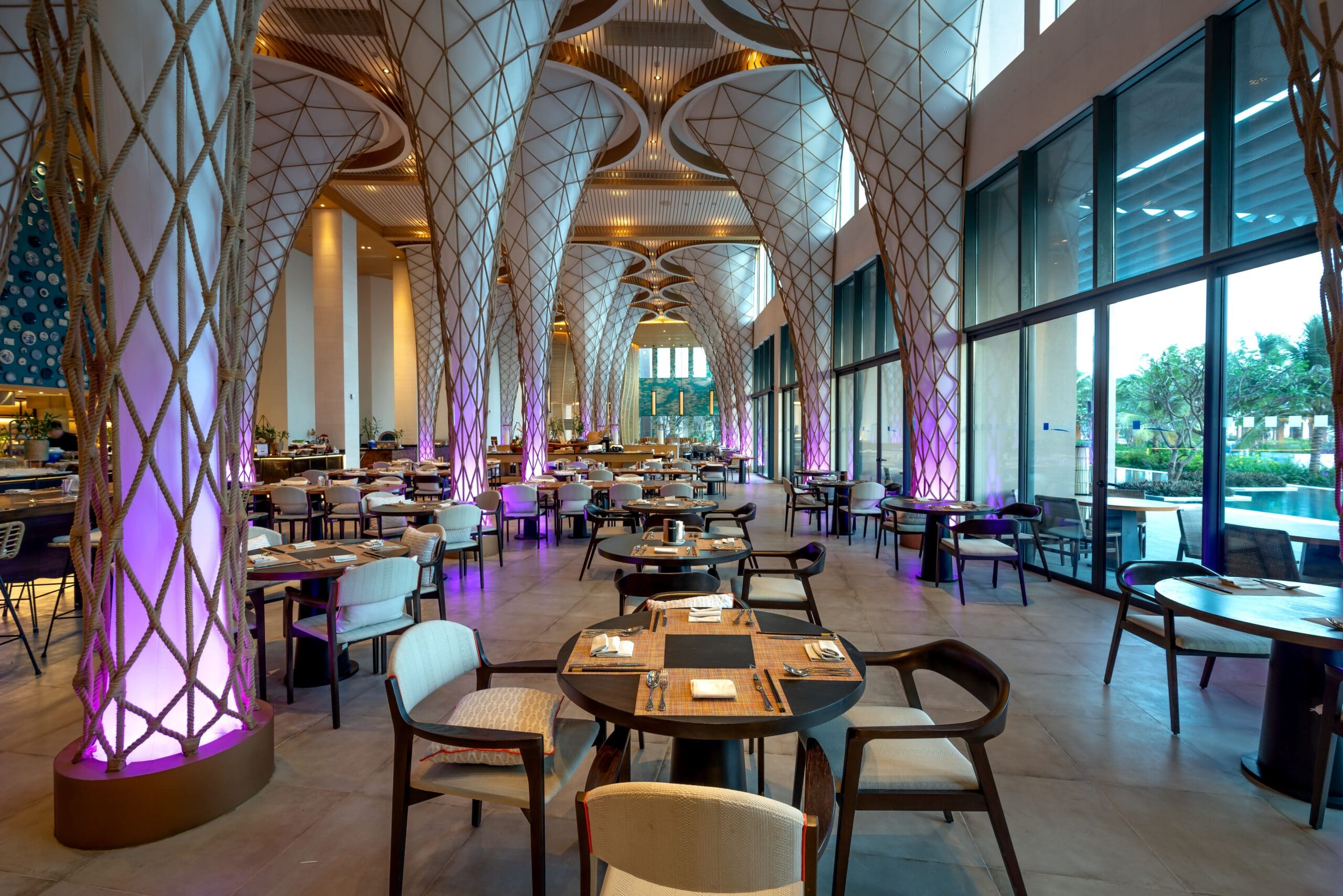
Opening a Restaurant in a Hotel: What You Don’t Know Will Hurt You
By Ray Camillo /
Opening a restaurant in a hotel changes the math on almost every decision you make. The audience is different. Revenue metrics differ too, and so does the approval process. Most operators who take this path come from independent restaurants. Because of that, they carry independent-restaurant assumptions into a project that does not behave the same way.
I have watched portfolio builders and committed independents make the same handful of mistakes. It happens when they open a restaurant in a hotel for the first time. Each mistake is preventable. However, none of them are obvious to someone doing it for the first time.
The Captive Audience Myth
The oldest assumption in hotel food and beverage is that guests will eat where they sleep. However, that assumption stopped being reliable years ago. For example, research published in the International Journal of Hospitality Management found something specific. Hotel guests are no longer a captive audience for hotel restaurants and are easily swayed toward nearby dining options. A guest with a phone and an appetite has choices within a few blocks of almost any hotel.
This changes what a restaurant in a hotel actually needs to be. A weak, convenience-only concept used to survive via their captive audience. That demand has largely evaporated. Today’s hotel restaurant competes with every independent operator within walking distance. As a result, it has to win that competition to hit its numbers.
Sensory details earn their place here. First, I learned this lesson decades before hotel F&B became a specialty of mine. When I worked with eatZi’s Market & Bakery in Atlanta, we re-routed an exhaust vent. The kitchen’s garlic aroma carried out over the entrance instead of up through the roof. Then sales went up. As a result, people followed their nose in from the parking lot. A hotel restaurant that wants outside traffic needs that same instinct: give the street a reason to notice you exist.
The operators who understand this treat a restaurant in a hotel like an independent concept. It just happens to share a building with hotel rooms. They build a real identity and market to the neighborhood, not just the front desk. The concept has to earn outside guests the way any standalone restaurant does. Then it carries the in-house business as a bonus on top. That said, the in-house business alone rarely covers the rent a hotel property commands.
The Metric Mismatch
Hotel operators think in RevPAR, revenue per available room. Meanwhile, restaurant operators think in covers, check average, and food cost. When these two languages meet in the same negotiation, the restaurant side often loses the argument. That happens because it never learns to speak the hotel’s number first.
Here is the number that should change that conversation. Food and beverage contributes between 20 and 40 percent of total income in a full-service hotel. That figure, for example, comes from STR Global data, cited by hospitality consultancy TGP International. That share makes F&B a genuine profit center in most full-service hotels.
The same source cites a 2023 CBRE case study of a 237-room hotel. F&B generated 3.4 million dollars in revenue there and close to 900,000 dollars in departmental profit. That is real money, so it moves a property’s overall valuation. CBRE analysis has linked a one percent gain in F&B profitability to a roughly 136,000 dollar increase in hotel value. Because of that math, some ownership groups negotiate differently. They understand this number instead of treating the restaurant as an amenity.
If you are the operator, learn to speak both languages fluently. Walk into a negotiation able to discuss RevPAR, GOPPAR, and F&B departmental profit together. That fluency changes how seriously the hotel side takes your concept, your requests, and your timeline.
The Building Carries Two Brands
A restaurant inside a hotel carries the hotel’s brand whether anyone planned for that or not. Guests rarely separate the two experiences cleanly. While the rooms and the restaurant have separate P&Ls, guests experience them as one property. Instead, a mediocre restaurant drags down perception of the whole property. A great one, in contrast, lifts the room rate the hotel can command.
This runs in both directions, and it is where most concept mismatches happen. For example, a boutique lifestyle hotel with a steakhouse built for a convention crowd sends a confused signal. A budget-focused property with an ambitious tasting menu prices out its own guests first. The concept has to fit the guest the hotel actually attracts, not the guest the hotel wishes it attracted.
I have watched this kind of misalignment sink an otherwise well-run restaurant. The food was good, and the service was tight. Even so, that concept simply did not belong in that building. No amount of operational excellence fixed it afterward. Concept and property need to be validated together before signing. They should never be treated as two separate decisions made by two separate teams.
Kitchen Design in a Hotel Restaurant
Architects lock in a hotel’s mechanical systems, loading dock access, and back-of-house footprint early. Most F&B teams do not get a seat at the table until much later.
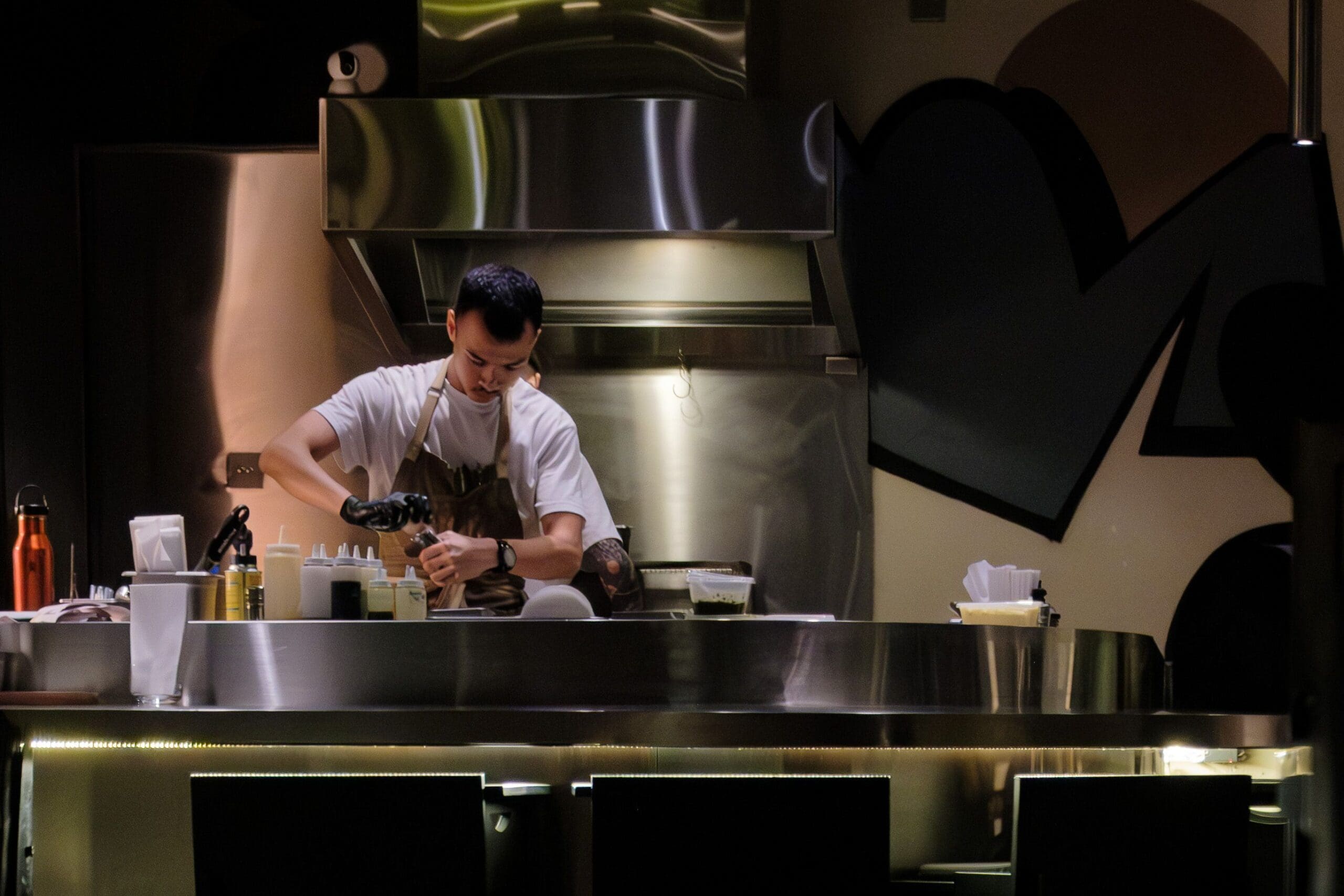
By the time a restaurant operator arrives, those decisions are often already made. The exhaust capacity, the grease trap sizing, and the delivery access get set for the building, not the kitchen.
That sequence limits your menu before you have written it. For example, an undersized hood system caps how much high-heat cooking you can run at once. In addition, a loading dock built for housekeeping supplies, not food deliveries, creates a daily bottleneck. No chef can schedule around that. So, these are not small details. Rather, they determine what kind of restaurant the space can actually support.
Push for a seat in the design conversation as early as the deal allows. Then ask for hood capacity, gas line sizing, and delivery access in writing. Do this before you finalize a menu concept. A hotel’s construction team will rarely volunteer this information. Ask for it early, while changes are still affordable.
The Landlord Relationship Has Extra Layers
A hotel is a landlord with opinions. Because of this, hotel ownership groups often want approval rights that a typical commercial landlord would not ask for. That can include the menu, the hours, the design, and sometimes the wine list. Those rights exist because your restaurant’s failure reflects on their brand, not just your P&L.
Negotiate those approval rights early and specifically. Vague language about reasonable consultation turns into months of delay once the relationship gets real. First, spell out what triggers hotel approval and what does not. Get a response-time commitment in writing. After all, every week your menu sits waiting for sign-off is a week your kitchen cannot plan around it.
The same lease-negotiation discipline that applies to any commercial landlord relationship applies here, with one addition. You are not just negotiating a lease. Instead, you are negotiating a shared brand.
Staffing Runs Differently Too
Labor in a hotel restaurant does not behave like labor in a standalone concept. Banquet business, room service, and the restaurant floor often draw from the same labor pool. Although the demand for each rarely peaks at the same time, scheduling gets complicated fast.
When a large group books a banquet, your best servers may get pulled off the floor. As a result, the restaurant runs short-staffed during what should be a normal Tuesday dinner. So, before you sign, ask how staffing is shared across departments and who has priority when demand collides.
Cross-training helps, although it is not free. So, if your team can flex between the restaurant and banquets, you gain flexibility. However, that flexibility only works if the training investment happens before the conflict, not during it.
Ask These Questions Before You Sign
A handful of questions separate operators who succeed in hotel F&B from operators who struggle. Before signing anything, work through each one.
First, who is the hotel’s guest, really? Not the guest in the marketing deck. Instead, the guest actually staying there on a Tuesday night in February.
What percentage of your projected revenue needs to come from outside diners to hit your numbers? If that percentage runs high, your concept needs a standalone identity strong enough to pull people off the street.
Who holds approval rights, over what, and how fast do they have to respond? Get the answer in writing before you sign anything else.
Finally, does the hotel’s food and beverage department see your restaurant as a partner or a tenant? That answer tells you more about your next five years than anything in the financial projections.
The Upside Still Holds
None of this means a restaurant in a hotel is a bad bet. Sophisticated developers and hospitality teams keep pursuing them, because the upside is genuine. Foot traffic exists, and brand halo effects exist alongside it. In addition, a well-designed F&B program can meaningfully move a property’s valuation, not just its guest satisfaction scores.
The operators who win in this space respect one thing above all. A restaurant in a hotel is a different animal than a standalone concept. First, they learn to speak the hotel’s financial language. Then they build a concept the neighborhood wants to visit, not just a room-service upgrade. Finally, they negotiate the brand relationship with the same rigor they negotiate the lease.
Get those pieces right, and a restaurant in a hotel can outperform almost anything you could build on your own. Get them wrong, however, and you inherit someone else’s brand problem along with your own.
If you are evaluating a hotel opportunity, get an experienced second read on the deal before you commit. Reach out early. Book an introductory call or schedule an advisory session, and we will walk through the numbers with you.