
Fourth of July Menu Playbook: What Sells, What Doesn’t, What to Do
By Ray Camillo /
A Fourth of July restaurant menu is not a normal menu problem, but a volume problem disguised as a menu problem. July 4th weekend pushes more covers through a shorter window than almost any other date on the summer calendar, usually while the patio is packed, the kitchen is hot, and half the regular staff wants the night off for fireworks.
The menu decisions you make before the holiday determine whether that volume turns profitable or just exhausting. Here is how to think through the Fourth of July restaurant menu: what to run, what to cut, and how to price it so the weekend puts money in your pocket.
What Actually Sells on the Fourth
The Fourth of July is a backyard-brain holiday. Guests arrive thinking grilled food, cold drinks, and items that share well. That instinct should shape the menu.
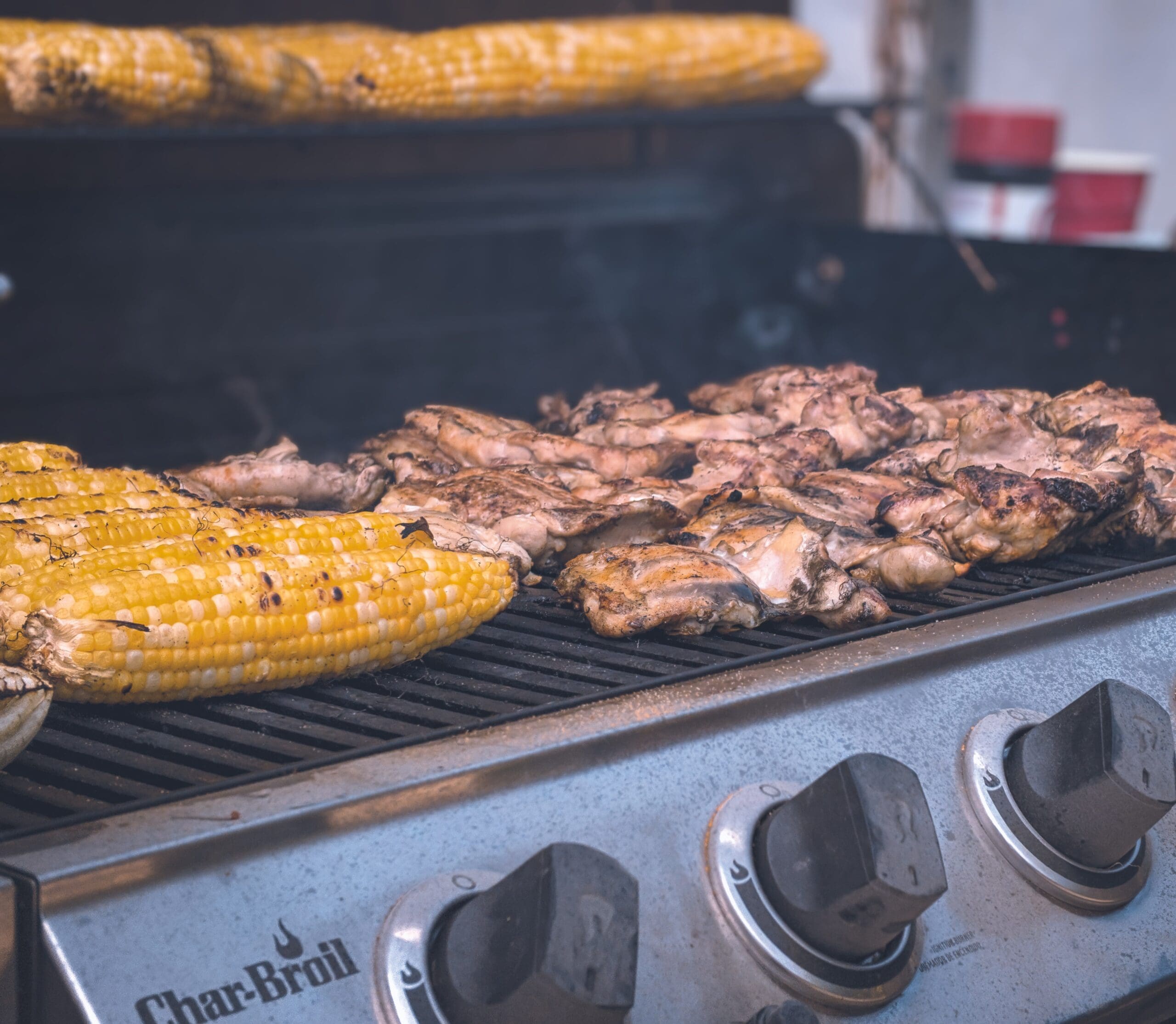
Proteins: grilled cuts sell. Burgers, ribs, grilled chicken, and whole fish cooked over fire fit the moment. Braises, roasts, and anything that needs careful fork-and-knife timing tend to underperform. Guests on the Fourth are in outdoor, casual, slightly impatient mode. A plate that needs three components finished in sequence is not your friend that weekend.
Shareables: anything that lets people graze before ordering will sell. Charcuterie boards, wings, loaded dips, and fried items in paper-lined baskets all fit. The patio dynamic on July 4th weekend is social before it is culinary. Give the table something to do.
Sides: summer sides sell themselves. Grilled corn. Slaw with acid. A crispy potato in almost any form. Look for items that feel picnic-y and can hold for a few minutes without falling apart.
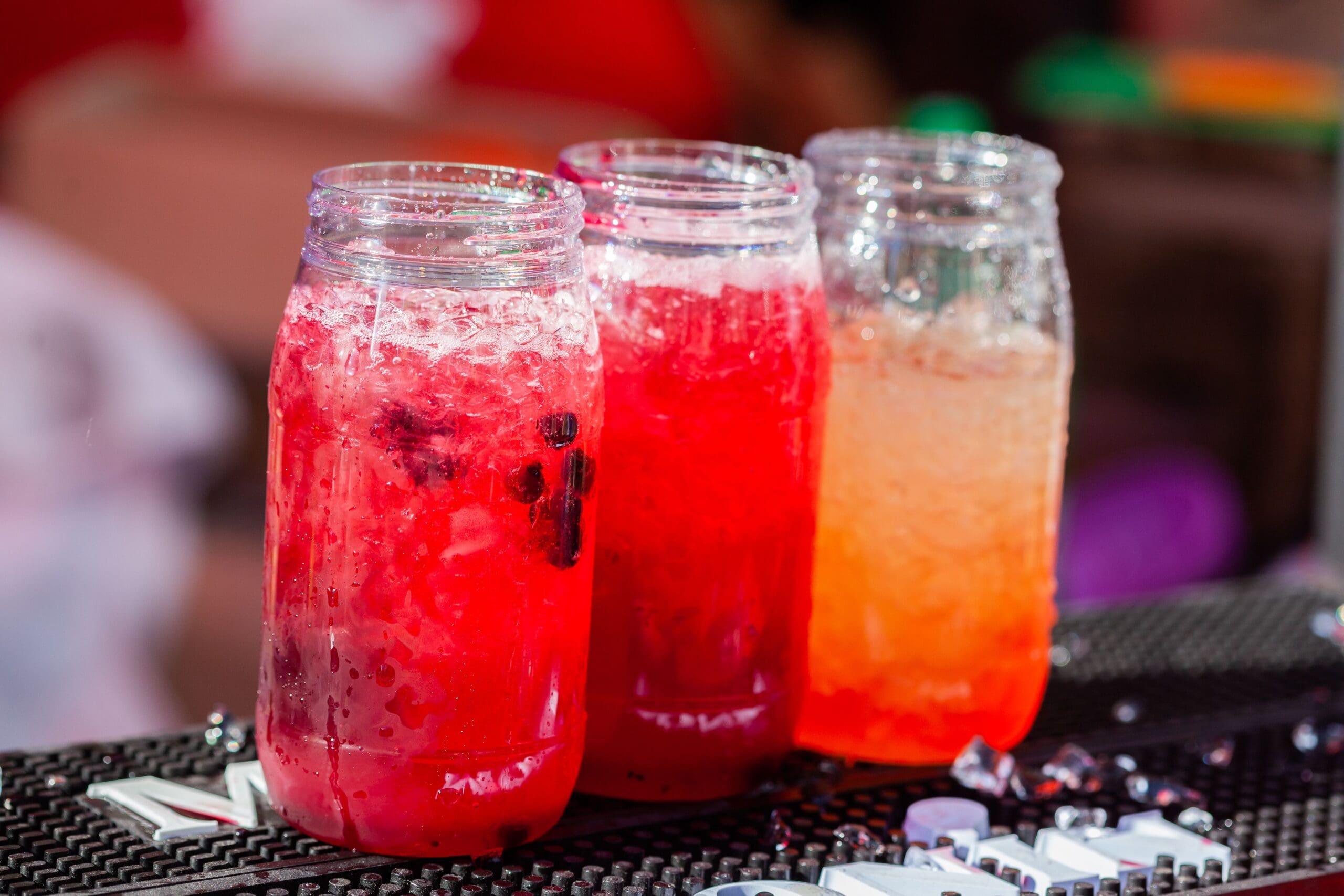
Drinks: this is where the Fourth really pays. Cold beer, frozen cocktails, and anything citrusy with a patriotic color story can move hard. Guests are in celebration mode. They will order drinks they would skip on a Tuesday night. Plan the drink specials before the food specials. On holiday weekends, beverage margin is often where the profitability lives.
What Doesn’t Sell
Be direct about this, because ignoring it costs you. Anything delicate and labor-intensive is a liability on the Fourth. A composed salad with twelve steps or a two-protein plate finished with tweezers will slow the line exactly when you can least afford it.
Seafood that is time-sensitive or temperature-dependent is risky. A delicate halibut that needs to be served immediately gives you little room for error when covers are running 20 percent above normal and expo is behind. Fish and chips or grilled shrimp on a skewer can work. Pan-seared black bass with warm vinaigrette is not the move.
Desserts that require individual assembly or precise plating create the same problem. A made-to-order warm chocolate cake with ice cream becomes a service choke point on a busy Saturday night. A slice-and-plate option, frozen dessert, or pre-set shareable is faster and more forgiving.
Heavy braises and stews do not read as Fourth of July food. You may sell some, but you will likely sell fewer than usual. If those items require significant prep and you portion the same amount as a normal Saturday, you are setting up for waste.
Build the Holiday Menu Before the Weekend
The Fourth of July restaurant menu should not be the full regular menu with a few specials bolted on. It should be a trimmed version of the regular menu, about 60 to 70 percent of the usual item count, with holiday-appropriate specials layered on top.
That reduction does three things. It focuses prep on fewer SKUs at higher volume. It speeds the line by reducing ticket variation. And it protects quality because the kitchen is not splitting attention across thirty-five dishes during one of the busiest Saturdays of summer.
Keep the specials layer short: two to three food items and two to three drink specials. Not a separate holiday menu with twelve new items. Choose a few things the kitchen can execute cleanly at volume and price them at margins that make the weekend worth the effort.
Pricing for the Holiday
Holiday weekends can support a price premium, and many independent operators undercharge for them. Guests on the Fourth are not as price-sensitive as they are on a Tuesday in February. They are already in a spending frame of mind. A $28 grilled rib special with two sides can be a fair ask and a strong margin contributor. Pricing the same dish at $22 because it feels safer leaves $4–$6 per cover on the table over a 300-cover Saturday.
You do not need to reprice the core menu for the holiday. But specials should be priced against contribution. Cost the dish first. Set the margin you need. Then set the price. Do not set the price first and back into whatever margin is left.
The Patio Connection
Most Fourth of July volume happens outside, and outdoor service has its own constraints. Review your patio season setup before the weekend. A menu that travels well is different from one designed for a 65-degree indoor dining room.
What travels well: anything in a vessel. A cast-iron skillet dip. Wings in a basket. A board of smoked meats. These hold temperature and survive the walk from the kitchen to an outdoor table. What does not travel well: anything that needs exact service temperature, separates or wilts quickly, or depends on a flat white plate hiding every flaw.
Outdoor service also changes drink-volume assumptions. On a hot July 4th weekend, a table of four outside will drink more, and faster, than the same table inside. Staffing for a faster patio drink pace and pre-batching your most popular cocktails are two of the highest-value moves you can make before the holiday.
The Monday Question
July 4th falls on a Saturday this year. Saturday will likely be the peak, but Sunday and Monday may also matter depending on your concept and neighborhood. Do not build the holiday menu only for Saturday, then limp into Monday brunch with depleted mise en place.
Think through the whole weekend arc. What sells on the Fourth itself? What quantities do you need? How do you transition back to the regular menu on Monday or Tuesday without carrying waste? Build those par decisions before the weekend, not during it.
Make the Decision Now
Two days out is not the time to finalize a holiday menu. By then, the team should be prepped, every dish should be clear, and the specials should be ready to run. Menu decisions happen this week. Prep decisions happen tomorrow.
If you want a quick read on whether the holiday menu holds together from a margin standpoint, a short advisory session can get through it fast. Book an introductory call or schedule an advisory session before the weekend, and we can pressure-test the plan in under an hour.