
National Indian Pudding Day: A Short History of Comfort Food in America
By Ray Camillo /
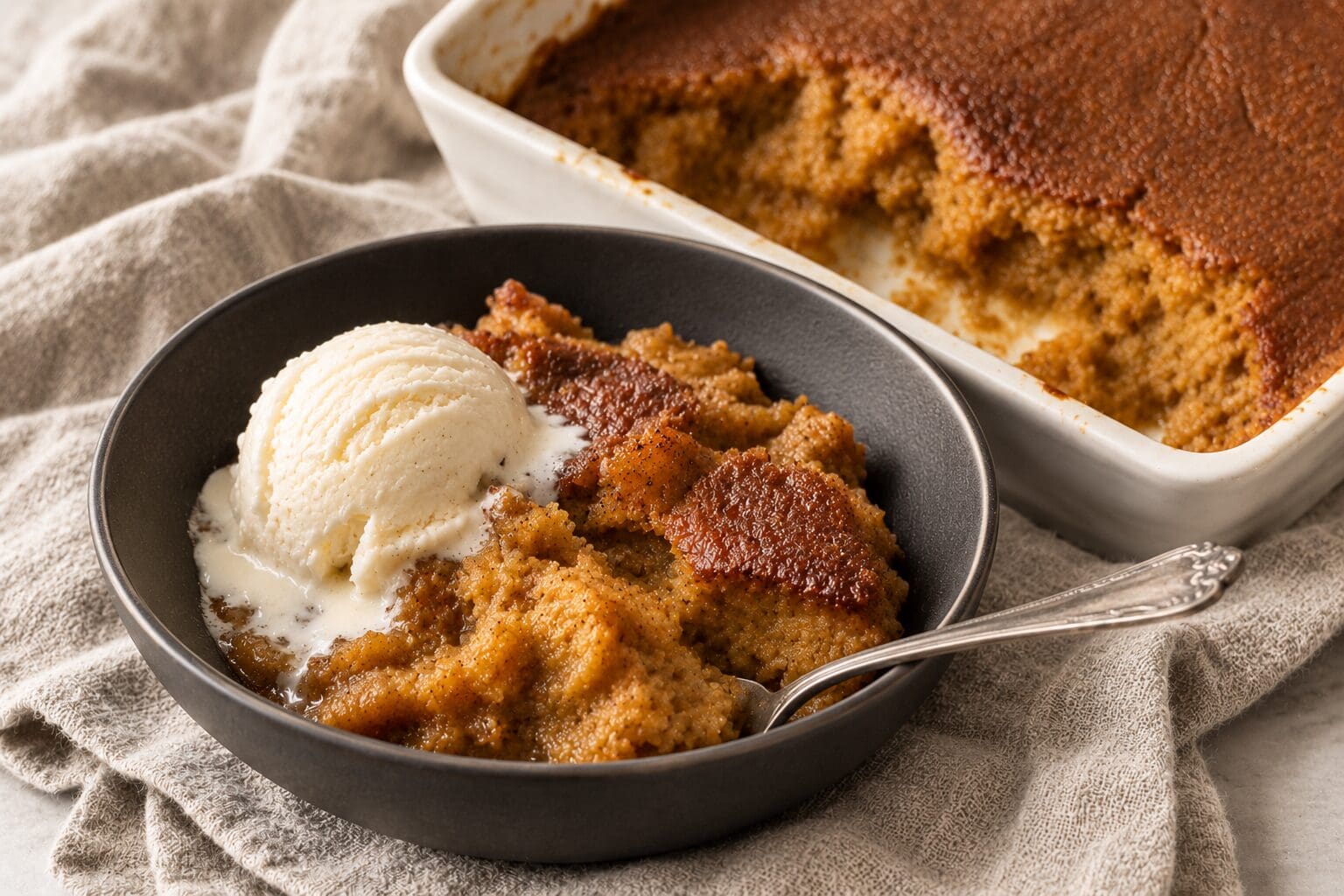
National Indian Pudding Day falls on Friday, November 13. Most people outside New England have never tasted the dish. It’s a baked pudding of cornmeal, milk, and molasses, and it’s one of the oldest desserts in America.
It’s also a good example of how comfort food works. Cooks made it from cheap pantry staples, it took hours, and people loved it for generations. Then it nearly disappeared.
Where Indian Pudding Came From
English settlers brought hasty pudding with them. It was a stovetop porridge made by stirring wheat flour into boiling milk or water. In New England, wheat was scarce and corn was everywhere.
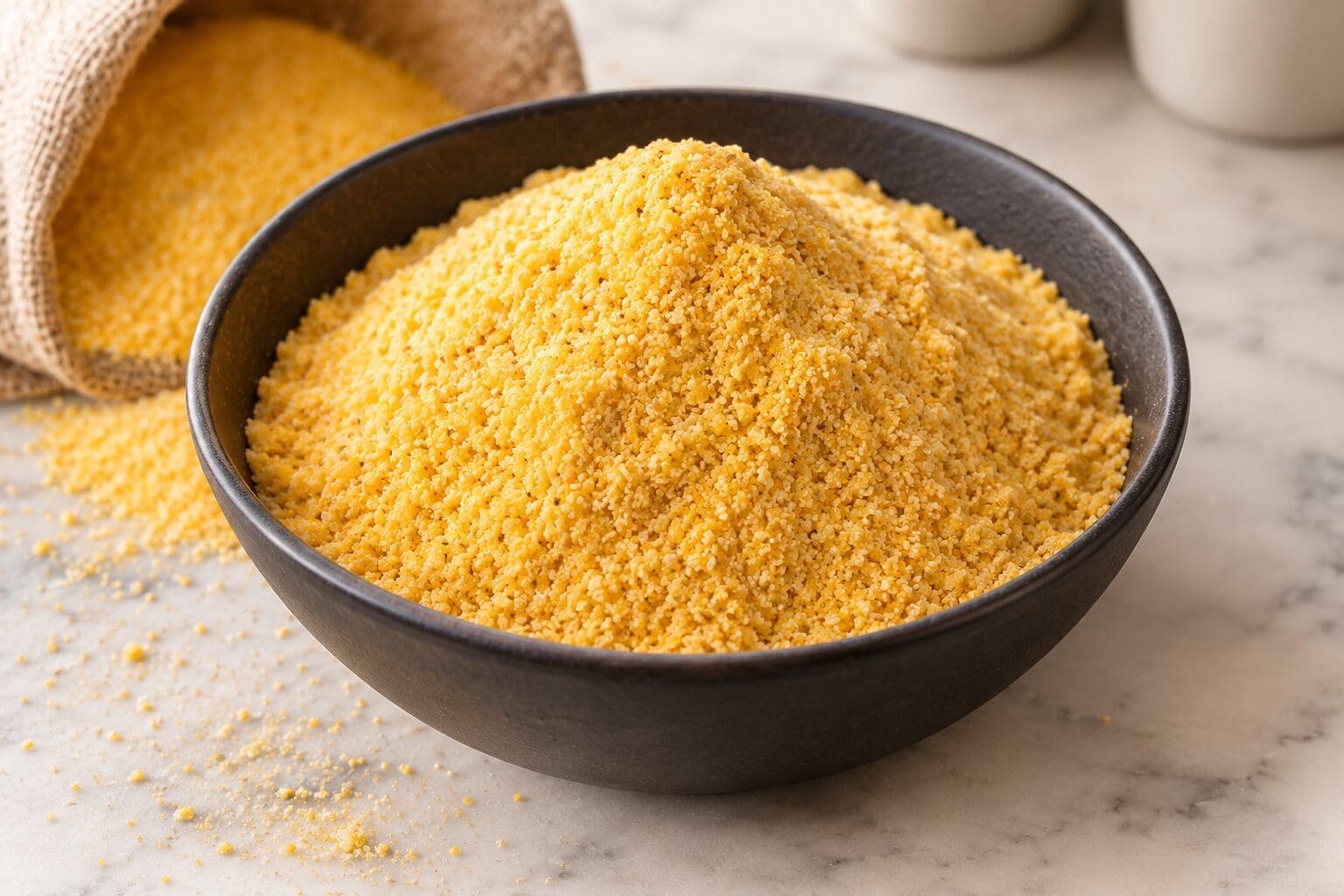
Settlers called cornmeal “Indian meal,” because it came from corn that Native people grew. That’s where the name comes from. Molasses was cheap in Boston, thanks to the rum trade, so it became the sweetener.
Historians trace the dish back to the 17th century. By the late 1800s it had become a Thanksgiving dessert well beyond New England.
Why It Nearly Disappeared
Indian pudding takes time. Traditional recipes bake for hours at low heat. In the 1920s and 1930s, packaged puddings arrived, and home cooks stopped making it.
Restaurants kept it alive. Durgin-Park, the Faneuil Hall restaurant in Boston, served it for generations. When Durgin-Park closed in January 2019, it was nearly 200 years old.
What National Indian Pudding Day Says About Comfort Food
Most American comfort food follows the same pattern. Cooks started with cheap, local ingredients and cooked them slowly for hours. Pot roast, baked beans, and cornbread all came from the same kind of kitchen.
Those dishes fade when home cooks run out of time to make them. That’s the opening for a restaurant. A restaurant kitchen has the ovens and the staff to make long-cooked food that guests won’t make at home.
Putting Indian Pudding on Your Menu
Indian pudding works well in a restaurant kitchen. The ingredients are cornmeal, milk, molasses, eggs, butter, and warm spices like ginger and cinnamon. All of them are cheap and easy to keep on hand.
It bakes in a hotel pan and reheats well, so you can make it ahead and portion it to order. Serve it warm with vanilla ice cream, which is how most New Englanders know it.
Run it through recipe costing before you set the price. A low food cost leaves room to price it like your other house-made desserts.
- Run it as a seasonal special. Start on National Indian Pudding Day and run it through New Year’s.
- Tell the story on the menu. One line about the cornmeal and the colonial history helps a guest try something unfamiliar.
- Let servers taste it first. A server who has eaten it can describe it better than any menu line can.
- Think about the name. Some guests stop at the word “Indian.” A line explaining that it means cornmeal answers the question.
Corn is a Native crop, and this dish depends on it. Our post on Indigenous food sovereignty covers more of that history.
Celebrate National Indian Pudding Day
National Indian Pudding Day is a small food holiday, but the dish behind it dates to the 1600s. Put it on your dessert menu for National Indian Pudding Day this Friday, and see what your guests think.