
Ghost Kitchens, Food Trucks, and Pop-Ups: Concept Lab or Dead Ends?
By Ray Camillo /
Ghost kitchens, food trucks, and pop-ups keep coming up in early conversations with prospective restaurant owners, usually framed as a lower-risk way to test a concept before committing to a full build. Sometimes that’s true. Sometimes it’s a way to delay a harder decision. The format you choose should follow from what you’re actually trying to learn, and each of these three teaches you something different.
What Ghost Kitchens Can and Can’t Do
A ghost kitchen is a delivery-only commercial kitchen with no dining room.
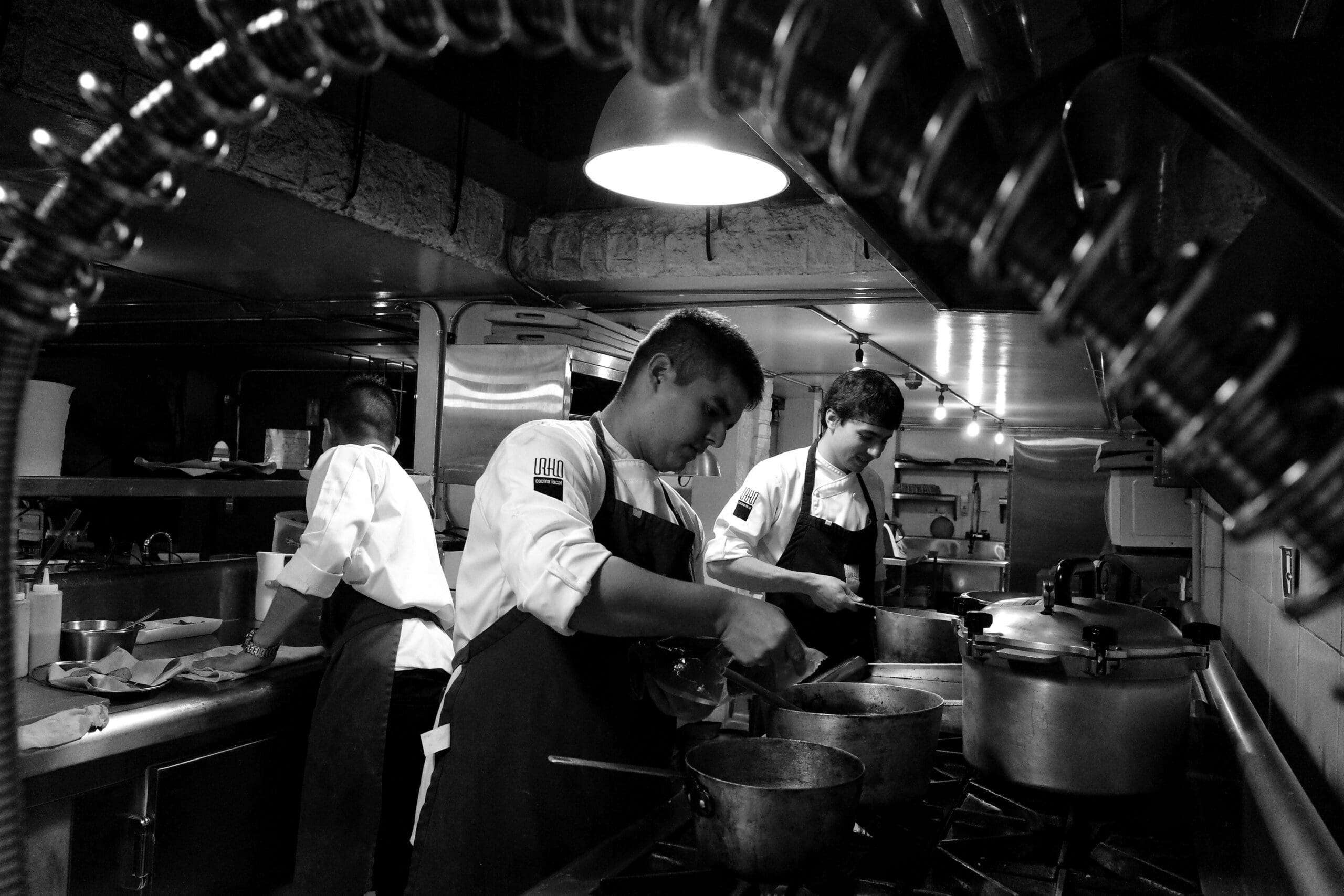
Orders come through third-party apps, customers never see a physical location, and your overhead is lower because you’re not building or leasing a full restaurant.
For an established brand extending into a new delivery market, that can make sense. The brand already has recognition. The ghost kitchen just gives it a new geographic reach.
For a new concept trying to build from scratch, the math is harder. In a physical restaurant, your location does your first round of marketing. Foot traffic, signage, and a full, visible dining room tell passersby that you exist and that others think you’re worth stopping for. In a delivery-only model, you’re competing for visibility on DoorDash or Uber Eats against hundreds of listings and paying 15 to 30 percent commission on every order. Customers who find you may not remember your name. They remember the app.
Building a brand identity through delivery alone is possible. It’s just slower and more expensive than it looks from the outside.
The Food Truck Reality
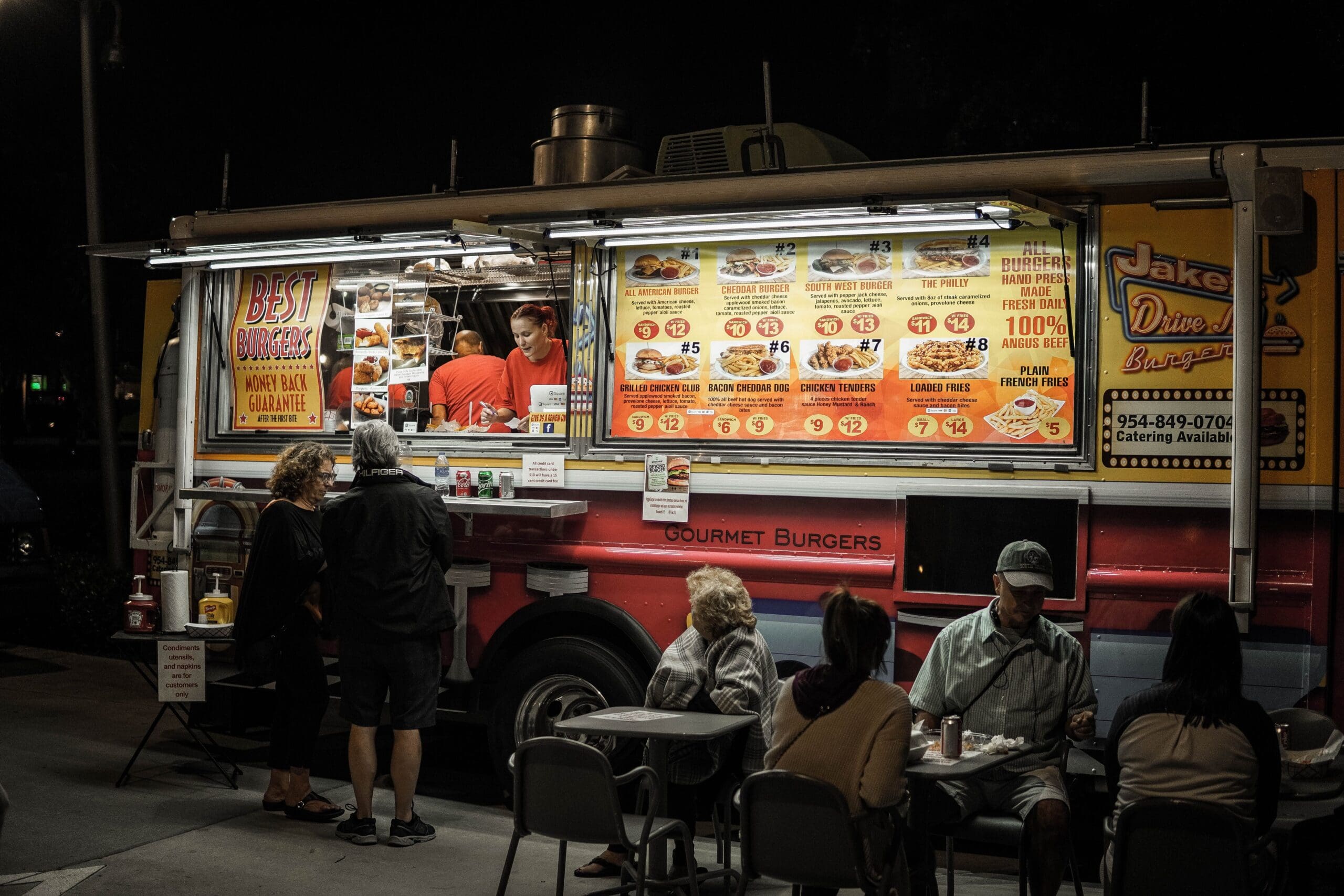
Food trucks have a romantic reputation that the day-to-day doesn’t always live up to. The truck itself is a significant capital expense, whether you’re buying or leasing. Add commissary kitchen fees (required in most markets), permitting costs that vary considerably by city, fuel, maintenance, and the ongoing challenge of securing reliable locations. You’re running a full food service operation in roughly 150 square feet with a very small crew.
What that constraint does force, though, is menu discipline. When your space and equipment are limited, you figure out fast which items you can actually execute consistently at high volume. That’s useful information, especially if a permanent location is eventually the goal. Operators who’ve come through a food truck often have a cleaner, tighter menu than those who’ve never had to make those tradeoffs.
A truck that does consistent business at a specific location on specific days is also telling you something real about demand in that neighborhood. That’s worth knowing before you sign a lease.
Pop-Ups: Useful If You’re Honest About What You’re Testing
A pop-up in a borrowed space, mostly friends and family, generating social content, doesn’t tell you much about commercial viability. Everyone has a good time, the food gets compliments, and you come away with a false sense of validation.
A pop-up with ticketed reservations, a fixed menu, paying customers who don’t know you personally, and honest tracking of covers and check averages tells you considerably more. The difference is whether you’re running a proof of concept or throwing a party.
When used well, the format is one of the more efficient ways to stress-test a menu and an experience before committing to a permanent space. The key is deciding in advance what a successful result actually looks like, and holding yourself to that standard once the numbers come in.
Which Format Fits
Ghost kitchens work for extending a proven brand into delivery. Food trucks work for testing demand and building menu discipline before a permanent opening. Pop-ups work for validating a concept with real customers under real conditions, if you structure them honestly.
None of them is a shortcut. Each one trades something. Know what you’re trading and what you expect to learn before you commit to any of them.
If you’re working through format options before your first or next concept, book an introductory call or schedule an advisory session.