
Day of the Dead: How Restaurants Honor Día de los Muertos (And Why It Works)
By Ray Camillo /
A Día de los Muertos menu works when it’s built around the food families actually put on the ofrenda. That means pan de muerto, mole, tamales, and the favorite dishes of people who have died. It doesn’t mean a Halloween party with sugar skulls that runs two extra nights.
This year the timing is tight. Halloween lands on Saturday, October 31. Día de los Muertos follows on Sunday, November 1, and Monday, November 2. We covered the Saturday problem in our post on Halloween restaurant promotions. If you haven’t planned anything for the days after, keep it small this year and plan next year’s properly. Both options are below.
What Families Celebrate on November 1 and 2
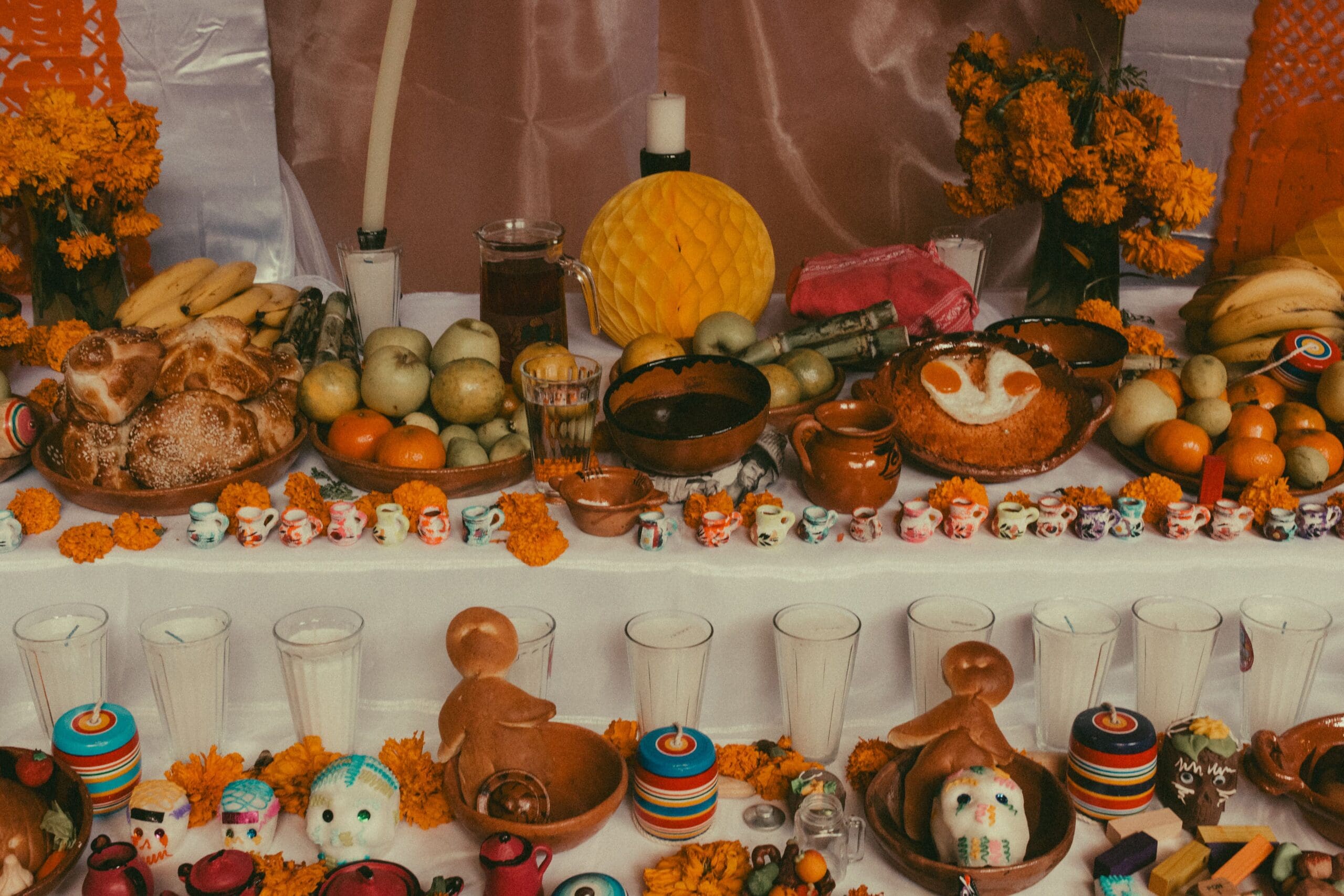
Day of the Dead is a Mexican tradition for remembering family members who have died. UNESCO added it to its list of intangible cultural heritage in 2008. The UNESCO listing describes families cooking the favorite dishes of the dead. They set them around the home altar and the grave. The holiday also lines up with the end of the corn harvest.
Families build an ofrenda, an altar with photos, candles, marigolds, water, and food. Many families honor children on November 1 and adults on November 2. Customs vary by region and by family.
Day of the Dead and Halloween fall next to each other on the calendar, and the skull imagery overlaps. The purpose is different. Halloween is about costumes and scares. Día de los Muertos is about memory, family, and a meal set out for someone you’ve lost.
Why the Day of the Dead Fits a Restaurant
This holiday is built around cooking for people you love and setting a table for them. That’s a restaurant’s whole business. Few holidays line up this closely with what a restaurant already does every night.
Food is the center of the holiday. Families cook for days, and a proper mole can take a full day to make.
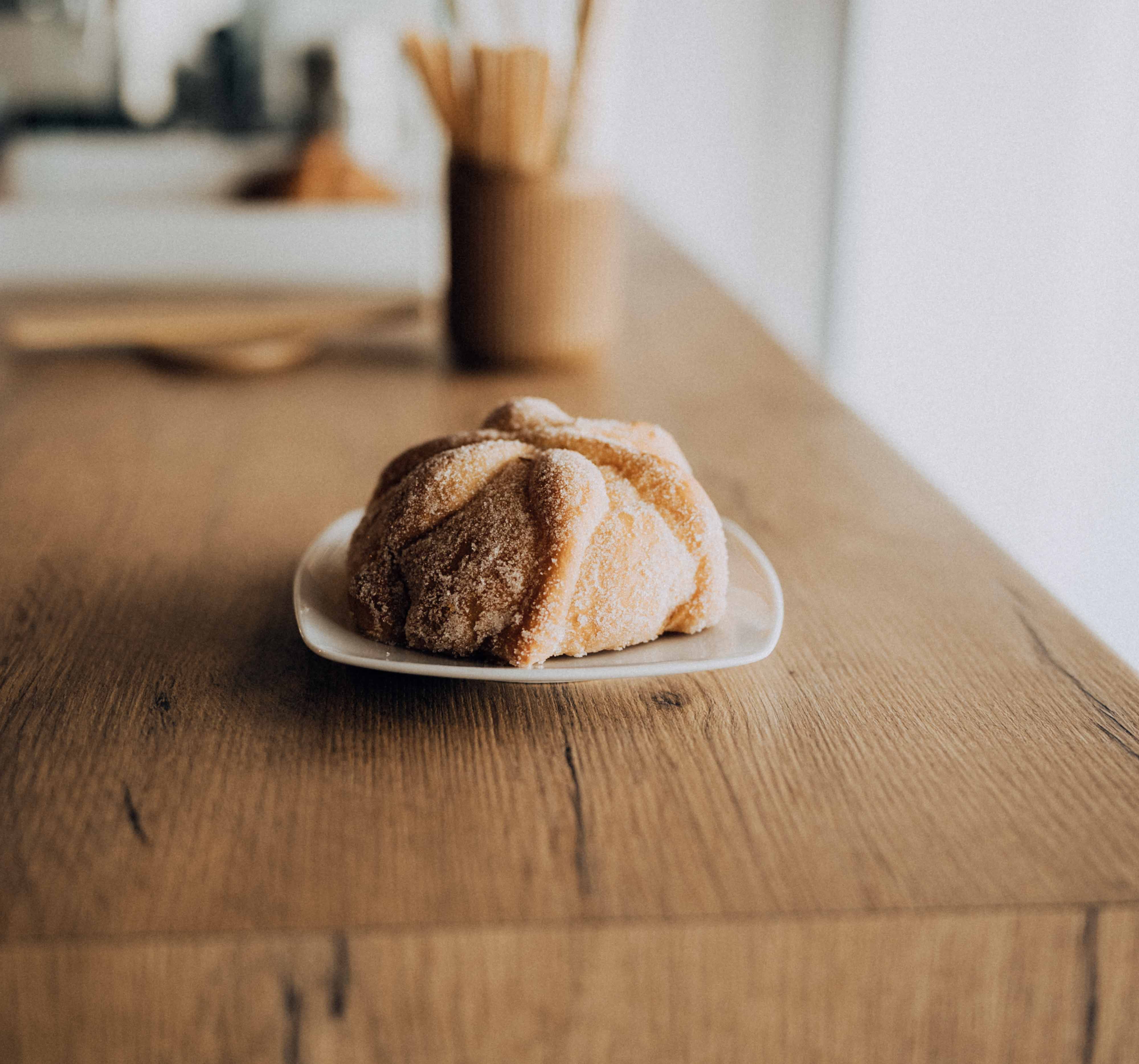
The numbers work too. Pan de muerto is a sweet yeast bread made from flour, eggs, butter, and sugar. It’s usually scented with orange blossom or anise. The ingredients are cheap. Guests buy whole loaves for their own ofrendas, so it sells to go as well as on the dessert menu.
Chains have done this well when they kept it simple. In 2021, El Pollo Loco gave away pan de muerto with every family meal on November 1. It also paid a Los Angeles artist to paint a Día de los Muertos mural on one of its restaurants.
What to Put on a Día de los Muertos Menu
Keep it short. Three to five items is plenty, and each one should have a real tie to the holiday.
- Pan de muerto. Serve it with Mexican hot chocolate or champurrado. Sell whole loaves to go and take preorders.
- Mole. Mole negro from Oaxaca or mole poblano over chicken or turkey. Name the region on the menu.
- Tamales. They’re common on ofrendas, and they hold up well through a busy weekend service.
- Calabaza en tacha. Pumpkin candied in piloncillo and cinnamon. It’s cheap to make in late October.
- One drink. A marigold or pan de muerto cocktail works if you have a bar program. Stop at one.
If your restaurant isn’t Mexican, be careful here. A Mexican dish on an Italian menu for one weekend can look like a costume. The better route for most restaurants is a partnership. Buy pan de muerto from a local panadería, serve it with coffee, and name the bakery on the menu. Guests get the real thing, and a neighborhood business gets the sale.
If you have the ovens and the skill, bake it yourself. Our standing advice is to make your bread in house whenever the kitchen can handle it. Outsourced bread hands much of the profit to the vendor. Pan de muerto is a good place to start. It’s one dough, the season is short, and guests expect it to be homemade.
Build an Ofrenda With Your Staff
A good Día de los Muertos menu won’t mean much if the dining room looks like a party store. Start with your team. Ask whether they’d like to build an ofrenda together near the host stand or in the dining room.
Some of your staff may have grown up building ofrendas at home. Ask how their family does it, and follow their lead. Invite staff to add photos of family members who’ve died, and make it optional. Some people will want to take part and some won’t.
Do the same with the food. If someone on your team has a family mole or tamal recipe, ask whether they’d like to share it. Put their name on the menu next to the dish. If it becomes a regular item, pay them for the recipe.
What to Skip
- Calling it “Mexican Halloween” in your marketing.
- Making calavera face paint part of the staff uniform.
- Running your Halloween party for two more nights under a new name.
- Discounts. A two-for-one deal doesn’t fit a holiday about honoring the dead.
If you ran something for Hispanic Heritage Month dining in September and October, build on it. The same rule applies to both. Be specific about where the food comes from, and let people who know the tradition guide it.
If You’re Starting This Week
Halloween is Saturday, and your kitchen is already busy. Keep this year simple.
- Order pan de muerto from a local panadería today, for Sunday and Monday. Many sell out.
- Set up a small ofrenda with your staff by Saturday night.
- Add one dish or one drink, not a full Día de los Muertos menu.
- Post a photo of the ofrenda on Sunday with a short line about what it means.
Then put a note on next year’s calendar to plan a full Día de los Muertos menu. In 2027, November 1 falls on a Monday. Start planning in September. That leaves time to work on recipes with your staff and line up the right vendors.
Why It Works
A Día de los Muertos menu works for the same reason a good restaurant works. Someone cooked with care for the people at the table, and asked the right people how to do it.
Planning seasonal menus for 2027? Book an introductory call or schedule an advisory session.