

The Spookiest Restaurant Mistakes (A Halloween Horror Story)
By Ray Camillo /
Common restaurant mistakes rarely look scary when you make them. You sign the lease over a nice lunch. The menu grows one small addition at a time. Months later the bill arrives, when it’s much harder to change course.
Halloween is Saturday, so here are five common restaurant mistakes that cost owners the most. Each one starts as an early decision made in a hurry. Each one also has a better option if you catch it in time.
1. Signing a Personal Guarantee Without Limits
Most new restaurants open as an LLC. Landlords know an LLC can close and walk away, so they ask the owners to personally guarantee the lease. Plenty of first-time owners sign it without reading the terms. It’s one of the most common restaurant mistakes first-time owners make.
An unlimited guarantee can make you personally responsible for the rest of the lease after the restaurant closes. That can mean years of rent, plus the landlord’s legal fees.
Well-known owners aren’t exempt. A Nashville steakhouse co-owned by two country music stars and a former major leaguer closed in February 2026. Its lease ran through August 2029. The landlord then asked a court to hold the three owners personally liable as guarantors. A spokesperson for the owners said a resolution was in the works.
Negotiate the guarantee as hard as you negotiate the rent. Ask for a cap, such as one year of rent. Ask for a burn-off, where the guarantee ends after a set period of on-time payments. Have a real estate attorney read it before you sign. We cover the rest of restaurant lease negotiation in a separate post.
2. Spending the Operating Reserve on the Buildout
Buildouts run over budget. Equipment costs more than the quote, and inspections push the opening date back. Every week of delay is another week of rent and payroll with no sales.
Most owners cover the overruns with the cash they set aside for operating. Then the restaurant opens with almost nothing in the bank. A slow first month turns into a missed payroll.
Put a contingency line in the construction budget. Keep the operating reserve in a separate account, and don’t touch it before opening day. Build both into a restaurant profit model before you sign a lease, so you know what the concept can afford.
3. Hiring a Manager for the Resume
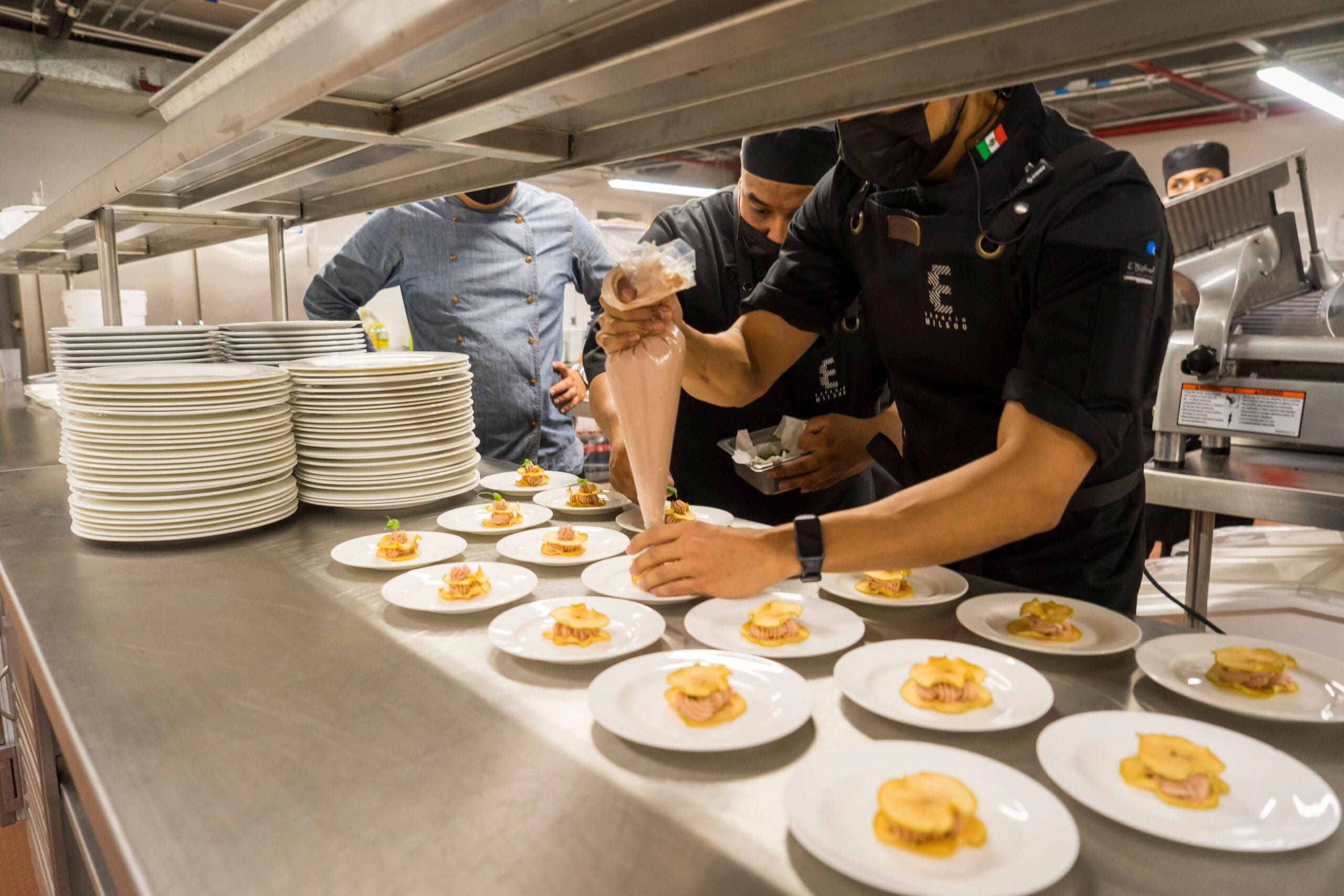
Owners often hire a general manager because of where that person worked. Someone ran a busy unit for a national chain, so they should be able to run yours.
At the chain, the systems came from headquarters. The manager ran a playbook that someone else wrote and someone else enforced. Without that support, most managers fall back on habits from their last job. Those habits may not fit your restaurant.
Write down how your restaurant runs before you hire. That includes opening and closing routines, ordering, labor targets, and how you review the P&L. Then hire someone who will follow it and hold the team to it. Meet with the new manager every week for the first few months.
4. Letting the Menu Keep Growing
Every new item seems harmless. A guest asks for it, the chef wants to try it, or a competitor has it. A year later the menu has twice as many items as the kitchen was built for.
Each item needs ingredients on the shelf, prep time, and space on the line. Slow sellers spoil in the walk-in. On busy nights, ticket times climb because cooks are making dishes they rarely make.
Pull a sales mix report every quarter. Cut the items that sell slowly and make little money. Shrinking your restaurant menu is harder than it sounds, because chefs get attached to their dishes.
5. Reading the P&L Too Late
Late financials are one of the most common restaurant mistakes in independent restaurants. Many get their monthly P&L three or four weeks after the month ends. By then, a food cost problem that started on the first of the month has been running for seven weeks.
Track prime cost (food, beverage, and labor) every week. Ask your bookkeeper to close the month within two weeks. When a number moves, you’ll see it while you can still do something about it.
How to Avoid Common Restaurant Mistakes
Each of these common restaurant mistakes started as a reasonable call made under pressure. Most of them are avoidable if someone checks the numbers and reads the documents before you commit.
Enjoy the costumes this weekend. Then pull out your lease and read the guarantee section.
Want a second set of eyes on your lease, your opening budget, or your menu? Book an introductory call or schedule an advisory session.