
AI in Restaurants: The Pros, Cons & Surprising Outcomes of a Digital Revolution
By Bighouse Graphix /
Artificial Intelligence (AI) has the potential to reshape the restaurant industry. It can affect everything from how customers discover your business to predictive scheduling and intelligent upselling. But with all these advancements, one big question remains: Where does AI truly help, and where might it hurt?
Let’s explore the pros, cons, and surprising outcomes of AI in restaurants.
_______________________________________________________________________________________________
Food for Thought: AI is powerful, but without strategic guidance, it’s just another tool.
From forecasting demand to scheduling staff, AI is transforming the restaurant industry, but many operators are learning that tech alone isn’t enough. Knowing which tools to adopt (and how to use them together) can be overwhelming. That’s where expert guidance can make all the difference.
Ready to make AI work for you? Let’s talk about how expert support can help you choose the right tech, implement it effectively, and drive real results.
_______________________________________________________________________________________________
The Pros: How AI is Evolving the Industry
1. Seamless Reservations & Seating
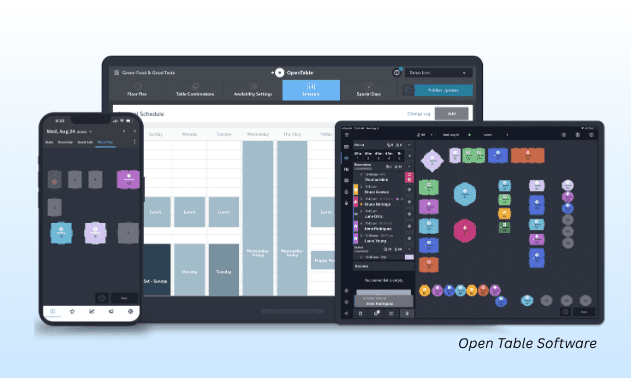
AI-powered systems like OpenTable, Resy, and SevenRooms are reshaping the front-of-house experience. They can:
- Handle bookings automatically
- Manage waitlists in real time
- Send confirmations and no-show reminders
- Adjust seating flow based on guest patterns
From the restaurant’s perspective, these platforms can reduce labor needs during slow hours and minimize scheduling headaches. Fortunately, staff find most of these systems intuitive, especially when integrated with Point-of-Sale (POS) platforms and synced across devices. The real-time data improves accuracy and visibility for hosts and managers alike, directly impacting customer experiences.
2. Smarter Ordering Systems
Self-serve kiosks, digital tablets, and voice-activated interfaces are more than just digital terminals. They’re infused with artificial intelligence. These systems can:
- Upsell intelligently by analyzing customer preferences and past behavior, suggesting relevant add-ons in real time
- Interpret voice orders conversationally using natural language processing (NLP), turning spoken requests into accurate POS entries
- Route orders directly to the kitchen or POS system instantly, reducing errors and speeding service flow
For restaurants, especially fast-casual brands, this translates into fewer cashiers or servers, faster throughput, and improved margin potential. These benefits contribute to both operational efficiency and a smoother guest experience.
3. AI Chatbots for Customer Service
Web and Google Business chat tools can now:
- Take online orders
- Reduce phone traffic
- Answer FAQs
These bots are 24/7 team members who never call in sick, offering major cost savings and freeing up front-of-house teams to focus on in-person service. And because they’re trained on frequently asked questions, they can ensure a consistent customer experience across channels.
4. Predictive Scheduling & Labor Optimization
Tools like 7shifts and Harri use AI to:
- Forecast busy hours and recommend staff levels
- Auto-schedule shifts based on availability and compliance
- Avoid overstaffing, which keeps labor budgets lean
These systems often rely on machine learning to get smarter over time. Combined with predictive analytics, they not only streamline scheduling but also help managers plan more proactively. As margins tighten, this kind of efficiency becomes a game-changer.
5. Next-Level Menu Strategy
AI isn’t just for the front of house. It’s reshaping the kitchen, too.
- ClearCOGS helps with prep planning by forecasting demand
- Plate IQ tracks ingredient prices to protect margins
- Tenzo merges sales, labor, and inventory to optimize menus
- Brizo FoodMetrics and Perfect Company help identify trends and scale recipes accurately
- Forecast POS tools (like those built into Toast or Upserve) offer menu-specific forecasting to guide LTOs and seasonal features
- Even ChatGPT is being used by restaurateurs to brainstorm concepts and simulate customer responses before launching new menu items
Smart tools can also enhance inventory management, reducing waste by aligning orders with accurate demand forecasts. AI tools like these, especially when backed by machine learning, help restaurants adapt faster and stay ahead of supply chain fluctuations.
______________________________________________________________________________________________
For restaurants without a strategic operator or consultant, choosing between tools like 7shifts, Tenzo, or ClearCOGS can be daunting. If you’re unsure where to start, or how to make these tools work together to actually improve your bottom line, book a consultation with Blue Orbit Restaurant Consulting. We’ll help you cut through the noise and build a tech stack that supports your unique goals.
______________________________________________________________________________________________
The Cons: Where AI Can Miss the Mark
1. Don’t Lose Sight of the Customer Experience
Just because you can automate something doesn’t mean you should. Dining out is meant to be a treat. An experience where guests can relax and feel taken care of. When a restaurant replaces that human touch with a kiosk, it shifts a burden onto the customer. Instead of being served, they’re asked to do the work, often while paying a premium for the privilege. Too much tech can feel cold and transactional, weakening the emotional connection and damaging overall customer experience.
2. Some Moments Still Require a Person
AI can handle reservations and questions, but it can’t:
- Greet guests with warmth
- Answer complex or emotional customer concerns
- Notice when someone looks confused or needs help
- Make diners feel like regulars
While offering reservations online is helpful, don’t forget that you still need someone to pick up the phone, especially when a guest is running late, planning a birthday dinner, or just prefers a real voice. Great customer experiences are still human at the core.
3. Over-Reliance on Data Can Kill Creativity
AI might suggest removing a dish that underperforms on paper, but it won’t recognize the intangible value it brings, like being a social media magnet or a memorable challenge dish that entertains guests. Restaurants need to balance predictive analytics and machine learning with creativity, or risk losing the personality that sets them apart.
4. Learning Curves for Staff
New tech means training. While some platforms are user-friendly, others can feel like a second job. Introducing too many tools at once can overwhelm teams and lead to resistance, especially in high-turnover environments. Additionally, poor onboarding can create blind spots in areas like inventory management, reducing the value of even the best AI tools.
______________________________________________________________________________________________
The Interesting Results: Unexpected Wins & Weird Twists
Small teams now run like big ones.
Mom-and-pop restaurants are using AI to compete with larger chains by automating what used to require full-time staff: bookkeeping, prep planning, even social media responses. This democratization of tech helps level the playing field between independents and the biggest restaurant chain players.
AI is a secret creative partner.
From naming dishes to writing job posts, AI is becoming an unlikely ally in the brainstorming process. Not always a replacement for creativity, but a booster.
AI is driving sustainability.
Smarter prep planning and real-time predictive analytics mean less food waste, and optimized labor schedules reduce unnecessary energy consumption and burnout.
_______________________________________________________________________________________________
Final Thoughts: Use AI as a Tool, Not a Crutch
AI is transforming the restaurant industry in exciting, cost-saving, and operational efficiency-boosting ways. But let’s be clear: technology is a tool, not a replacement for hospitality.
The restaurants that will thrive aren’t the ones that blindly automate every task. They’re the ones who use AI tools intelligently to support their team, delight their guests, and make better business decisions without sacrificing the human touch that makes dining out special.
______________________________________________________________________________________________
AI systems work best when guided by someone who understands your concept, your people, and your market, not just your POS data. The most successful operators pair machine learning and tech with strategy to get the best of both worlds. Tools are great at telling you what is happening, but not why. That’s where experience and outside perspective come in.
AI is powerful, but strategy is essential.