
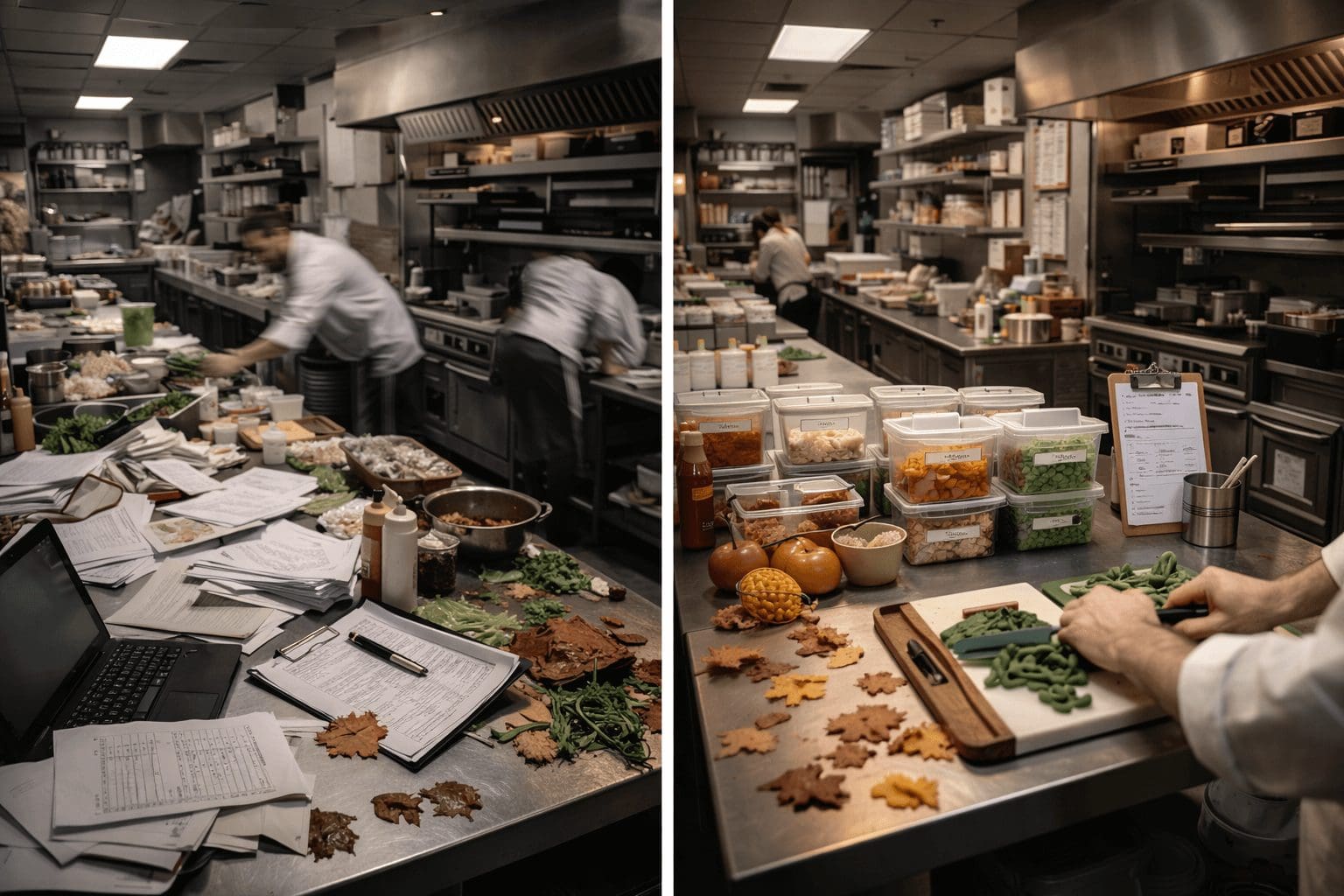
Why Your Restaurant Can’t Compete With Chains (And How to Fix It)
By Ray Camillo /
You did the impossible: you opened a restaurant and it didn’t fail immediately. Maybe you even found some early success – solid opening numbers, decent reviews, regular customers trickling in. But lately, profitability feels shaky. Growth has plateaued. And when you look at the Chili’s or Chipotle down the street, you can’t help but wonder: how do they make it look so easy?
The answer isn’t their marketing budget or their brand recognition, though those help. The real answer is something most independent operators never see: operating discipline.
What “Operating Discipline” Actually Means
Operating discipline is the unsexy stuff that happens behind the scenes. It’s the systems, standards, and processes that ensure consistency across every shift, every station, every transaction. It’s why a Chipotle in Boston runs exactly like a Chipotle in Denver. It’s why chain restaurants can train a new hire in three days and have them performing at 80% competency.
For independent restaurants? It’s the missing link.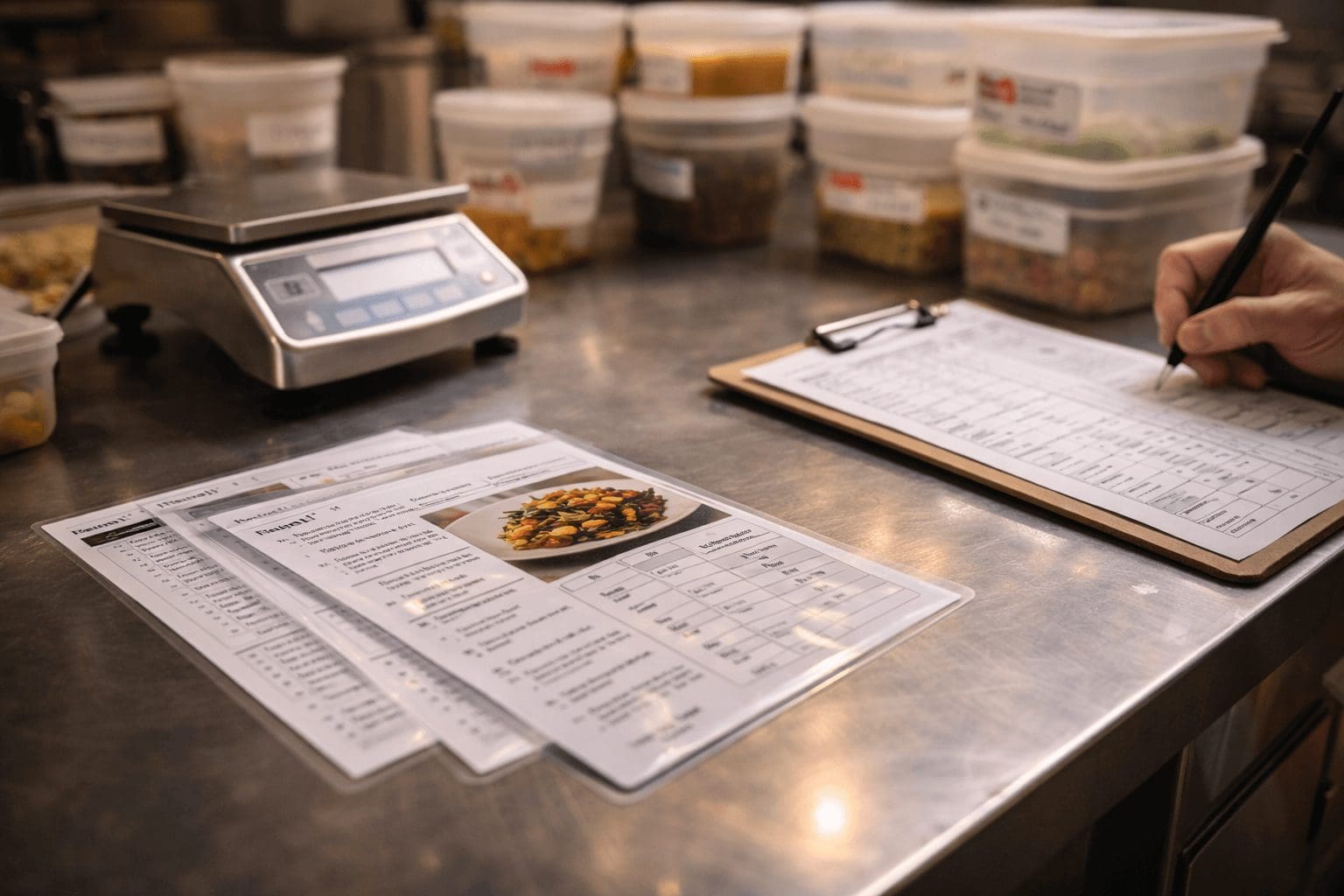
Here’s what operating discipline looks like in practice:
- Standardized recipes that account for portion cost, plating specs, and prep time. Every cook makes the same dish the same way, every time.
- Labor scheduling systems that match staffing levels to forecasted covers, not guesswork about how busy you “think” Thursday will be.
- Daily operational checklists that cover opening procedures, mid-shift checkpoints, and closing protocols. Nothing is left to memory or interpretation.
- Manager accountability structures that define what “good” looks like, how performance is measured, and what happens when standards slip.
- Training programs that aren’t “shadow someone for a week and hope it sticks.” They’re documented, step-by-step processes with competency checkpoints.
If that list made you uncomfortable because you don’t have most of it, you’re not alone. Most independent operators don’t.
Why AI and Blog Articles Won’t Save You
I know the temptation. You Google “restaurant labor cost solutions” and find 47 articles promising the same advice: cross-train your staff, optimize your schedule, reduce waste. You ask ChatGPT to write you a training manual. You bookmark productivity apps. And none of it moves the needle.
Here’s why: knowing what to do and knowing how to implement it are completely different skills. You can read about “proper inventory management” all day, but without seeing it in action, without someone guiding you throug
h the first two months of doing it wrong until you get it right, it’s just theory.
Chains succeed because they’ve already made every mistake you’re about to make. They’ve refined their systems through thousands of store openings. They’ve tested, failed, iterated, and documented what works. Then they train their operators on those systems until execution becomes muscle memory.
Independent restaurants? You’re figuring it out on the fly. And every day you’re winging it is a day you’re burning cash.
The Real Cost of “Figuring It Out Yourself”
Let’s get specific. Here’s what lack of operating discipline actually costs you:
- Labor overruns: You’re scheduling based on gut feel, not data. Result? You’re overstaffed on slow nights and understaffed when it’s busy. This typically adds 3-5% to your labor cost, which on a $2M restaurant is $60,000-$100,000 annually.
- Food waste: Without proper portioning, recipe adherence, and inventory controls, you’re hemorrhaging product. Average independent restaurant waste is 4-10% of food cost. That’s another $40,000-$100,000 gone.
- Inconsistent execution: One night the pasta is perfect. The next night it’s overcooked. Customers notice. They don’t come back. You’ve just lost a guest worth $2,000-$5,000 in lifetime value.
- Manager burnout: Your GM is working 70-hour weeks because there are no systems to delegate. They quit. You spend three months finding a replacement and another three training them. That transition costs you $50,000 in recruiting, lost productivity, and mistakes.
Add it up: you’re leaving $150,000-$250,000 on the table every year because your restaurant runs on heroism instead of systems.
What “Side-by-Side” Implementation Looks Like
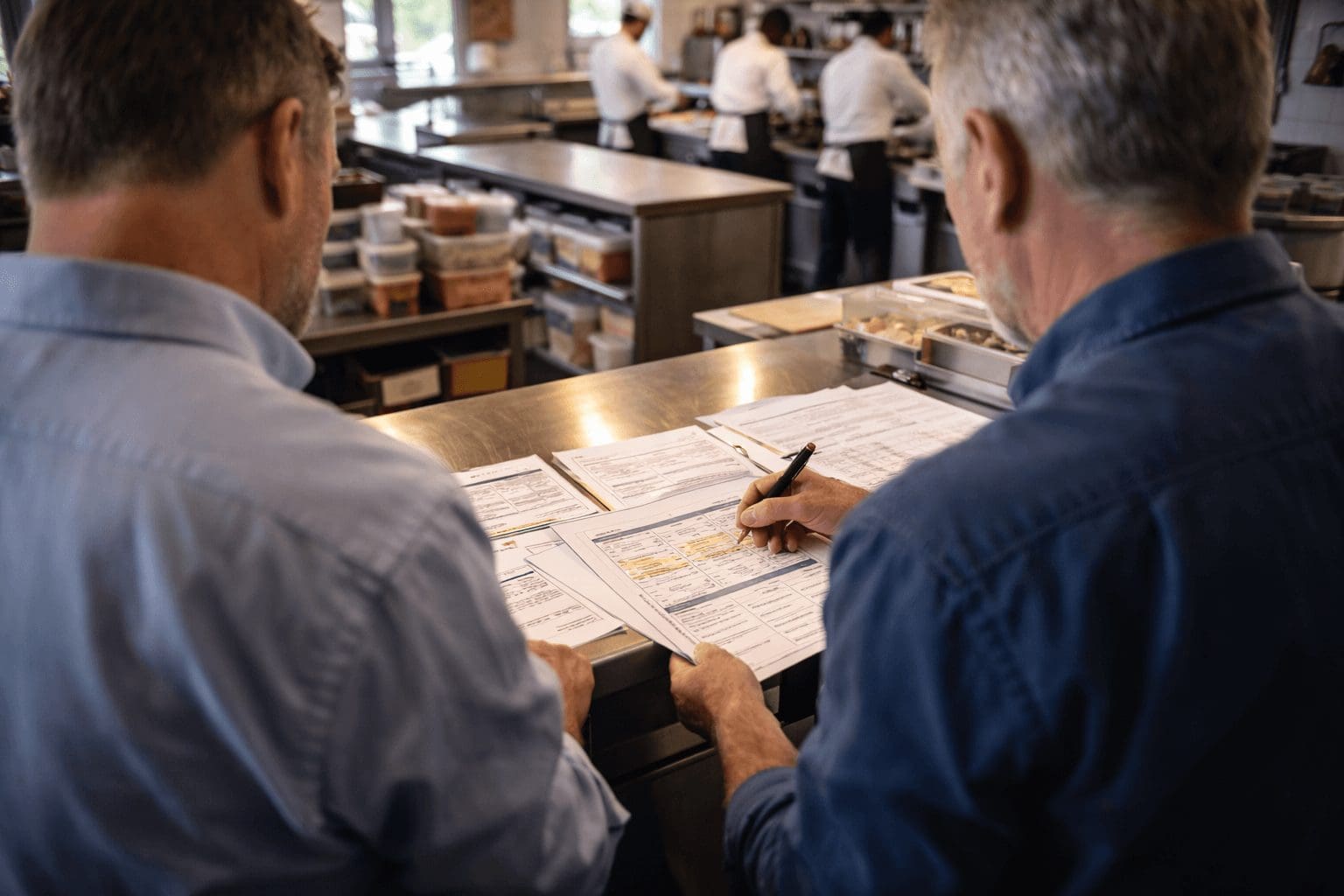
This is where most consultants disappoint. They write you a beautiful operations manual, hand it over, and wish you luck. Three weeks later, that manual is gathering dust because nobody has time to read it, let alone implement it.
Real change requires side-by-side execution. Here’s what that means:
- Week 1: We’re in your restaurant shadowing your team, documenting what’s actually happening (not what you think is happening). We’re identifying the gaps between where you are and where you need to be.
- Weeks 2-4: We’re building systems with you:recipe cards, prep lists, line checks, manager run sheets. But we’re not just handing you templates. We’reteaching your team how to use them during actual service.
- Weeks 5-8: We’re coaching your managers through implementation. When a cook doesn’t follow the recipe, we’re there to correct it in real-time. When labor scheduling goes off the rails, we’re showing your GM how to fix it before next week’s schedule posts.
- Weeks 9-12: We’re stepping back and watching your team operate independently. We’re catching issues early, reinforcing what’s working, and fine-tuning systems until they’re second nature.
This isn’t theory. This is what competence looks like when it’s installed, trained, and reinforced until it sticks.
You Don’t Need to Become a Chain
Let me be clear: the goal isn’t to strip away what makes your restaurant special. You opened an independent restaurant because you wanted creative freedom, personal connection with guests, and food that actually means something.
Operating discipline doesn’t kill that. It protects it.
When your systems are dialed in, you stop firefighting and start leading. You have time to develop new menu items. You can focus on hospitality instead of crisis management. Your team feels competent instead of overwhelmed.
The best independent restaurants in the country (the ones that thrive for decades) aren’t winging it. They’ve built the operational backbone of a chain with the soul of a neighborhood spot.
You can have both. But you can’t get there alone.
Your Next Move
If you’re reading this and thinking, “We need help, but I don’t know where to start,” here’s what I’d recommend:
- Step 1: Book an operations assessment. We’ll spend a day in your restaurant, evaluate where the gaps are, and give you a clear roadmap of what needs fixing first.
- Step 2: Commit to a 90-day implementation engagement. That’s the minimum timeline to install systems, train your team, and build the muscle memory that makes it stick.
- Step 3: Watch what happens when your restaurant runs on discipline instead of heroism. Lower costs. Happier staff. Consistent execution. Profitability that isn’t a mystery.
- Chains aren’t better than you because they have more money. They’re better because they have better systems. And systems can be taught.
Ready to compete? Let’s build the operational foundation your restaurant deserves. Schedule a free introductory call or a paid advisory session now!