
Spring Menu Trends 2026: Why Smart Operators Are Planning Now
By Ray Camillo /
If you’re planning a spring menu refresh, the window to get it right is open,but it won’t stay that way indefinitely. The restaurants that capture spring revenue don’t scramble in March. They start planning in January and February, giving themselves enough time to develop concepts thoughtfully, test recipes properly, and train staff completely before the seasonal rush hits.
We’re seeing this pattern repeat across successful operators: the ones who plan their spring menus eight to ten weeks before launch consistently outperform those who wait until four weeks out. The difference isn’t just execution quality, it’s strategic clarity about which trends to adopt and which to ignore.
Here’s what we’re tracking as the dominant spring menu trends for 2026, based on early signals from leading concepts, conversations with operators nationwide, and what’s resonating with diners as we move through winter into early spring planning season.
Ingredient-Forward Simplicity Is the Dominant Direction
The clearest spring menu trend we’re seeing for 2026 is a continued evolution toward letting high-quality ingredients speak for themselves. After years of increasingly complex plating and multi-component dishes, there’s a noticeable shift toward preparations that highlight two or three exceptional ingredients without over-manipulating them.
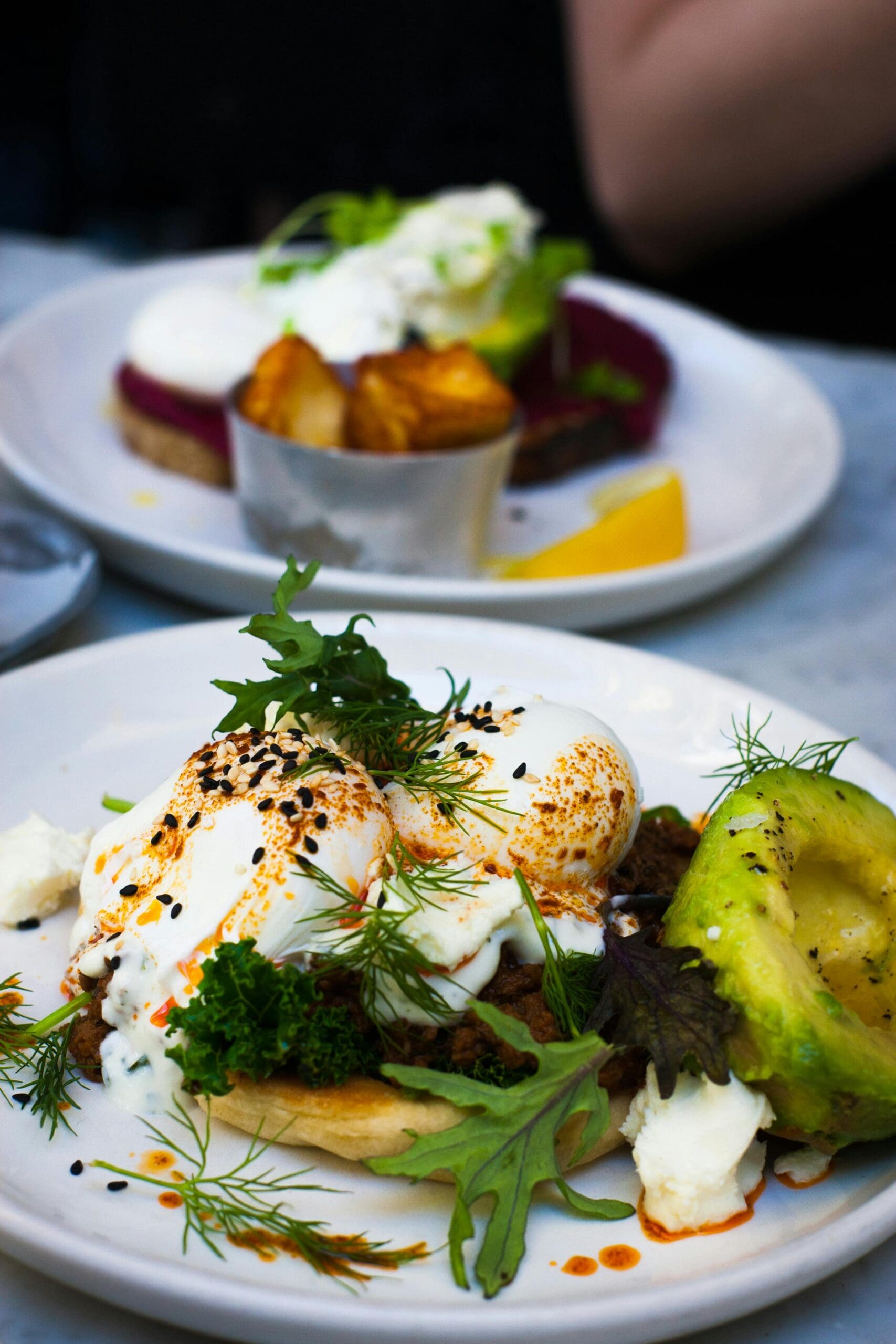
This isn’t minimalism for aesthetic reasons. It’s a response to what guests are consistently telling us they want: food that tastes like what it is, prepared in ways that enhance rather than obscure the main ingredient. Think English peas with mint and cultured butter. Asparagus with a soft egg and aged Parmesan. Strawberries with crème fraîche and cracked black pepper.
From an operational standpoint, ingredient-forward spring menus solve real problems. Simpler dishes mean faster ticket times, easier training for new kitchen staff, and better consistency across shifts. They typically carry stronger margins because you’re not buying seven ingredients when three will do the job better. And when something goes wrong with one component, your entire dish doesn’t collapse.
The practical implication: if you’re building spring dishes around asparagus, peas, spring onions, or early strawberries, your conversations with purve
yors need to happen now, not the week before you launch. Securing reliable sources for quality seasonal produce at predictable pricing requires lead time, especially if you’re committing to these ingredients as menu anchors rather than occasional specials.
Fermentation Is Moving from Trend to Standard Practice
Housemade fermented and preserved ingredients are no longer exclusive to fine dining. They’re showing up on casual and fast-casual menus, and spring 2026 is when this approach fully crosses into mainstream restaurant operations.
The reason fermentation fits spring menu trends is straightforward: it adds complexity and depth without adding labor during service. Fermented hot sauces, kimchi, preserved lemons, pickled spring vegetables, and lacto-fermented condiments all do their work days or weeks in advance. During service, you’re just pulling from your pantry to add a layer of umami, acid, or funk that makes an otherwise simple dish memorable.
If you’ve been hesitant to experiment with fermentation because it seems complicated or risky, spring is your opportunity to start small. One fermented element, one or two dishes. A fermented jalapeño hot sauce for your burger. Housemade kimchi on your fried chicken sandwich. A preserved lemon vinaigrette for your spring green salad.
The timing consideration matters here: fermentation takes time. If you want fermented components ready for your spring launch in mid-to-late April, you need to start your batches in February or early March. This isn’t something you can decide to do two weeks before menu launch.
Vegetable-Forward Entrées Are Becoming Profit Centers
Spring menu trends in 2026 show vegetables continuing their evolution from sides and afterthoughts to genuine menu anchors. But the execution is maturing. Guests aren’t ordering vegetable entrées because they’re vegetarian anymore. They’re ordering them because the dish sounds more interesting and delivers more flavor than the protein options.
The opportunity here is treating vegetables with the same technique and care you’d apply to a premium protein. Charred broccolini with miso butter and crispy shallots as a shareable entrée. Roasted whole carrots with labneh, dukkah, and fresh herbs plated to communicate value. Grilled spring onions with romesco and marcona almonds as a centerpiece dish.
These spring menu items work for multiple reasons. They deliver intense flavor and visual appeal. They photograph exceptionally well, which matters for social media and word-of-mouth. They typically carry margins in the 75-80% range compared to 60-65% on proteins. And they give your kitchen team opportunities to showcase technique beyond grilling steaks to temperature.
The development work takes time. Which vegetables are you building around? What techniques will you use? How will you plate them to communicate value and justify pricing? These aren’t questions you can answer effectively under deadline pressure.
Beverage Programs with Garden Ingredients
One of the more accessible spring menu trends for operators looking to increase per-check averages is incorporating fresh herbs, edible flowers, and seasonal produce into cocktails and mocktails. The execution is simpler than it sounds, and the return is significant.
A gin and tonic with fresh basil and cucumber. A tequila cocktail with grilled pineapple and jalapeño. A non-alcoholic spritz with rhubarb, ginger, and sparkling water. These drinks feel seasonal and special without requiring exotic spirits or expensive specialty ingredients.
The margin story is compelling. You’re using ingredients already in your kitchen, which creates cross-utilization and reduces waste. You can command premium pricing ($14-16 for a garden cocktail versus $10-12 for a well drink). And bartenders appreciate the creative latitude these programs provide.
But beverage menu planning requires more lead time than most operators anticipate. Training your bar staff on new techniques, testing recipes to ensure consistency, creating garnishes that hold up during service, and building muscle memory for new preparations all take several weeks, not several days.
What to Avoid in Spring 2026
Understanding what’s not working is just as valuable as knowing what is. Overly fussy plating that requires tweezers and microgreens is losing momentum. Dishes with more than five distinct components are confusing guests and slowing down kitchens. And anything that reads as “trying too hard” to be trendy rather than delicious is getting passed over.
Guests in 2026 are sophisticated enough to recognize when a dish exists for Instagram versus when it exists to taste exceptional. They’re also increasingly value-conscious, which means a $26 entrée needs to deliver on flavor, portion size, and satisfaction, not just photograph well.
The other pattern we’re seeing: guests are fatigued by menu descriptions that read like ingredient inventories. A dish with seven components listed in the description suggests complexity without necessarily promising better flavor. Simpler, more confident descriptions are outperforming verbose ones.
The Planning Timeline That Actually Works
The operators who execute spring menus successfully give themselves eight to ten weeks from initial planning to launch. That timeline allows for proper recipe development, costing, staff training, and soft-launch refinement without cutting corners or rushing critical steps.
If you’re targeting a spring menu launch in mid-April (which aligns with when most markets truly feel like spring has arrived), your planning and development work should be underway in earnest no later than the first or second week of March. That gives you sufficient runway to make thoughtful decisions rather than reactive ones.
Here’s what that timeline typically looks like: Two weeks for concept development and trend evaluation. Two weeks for recipe development and costing. Two weeks for staff training and POS updates. One week for soft launch with refinements. One week of buffer for inevitable adjustments.
The restaurants that rush this process inevitably compromise somewhere. Either they skip proper costing and discover margin problems after launch. Or they shortchange training and get inconsistent execution. Or they don’t test recipes thoroughly and end up with dishes that don’t scale under volume.
Getting Strategic Support
If you’re a restaurant owner looking to refresh your menu and capture seasonal revenue but you’re not certain which spring menu trends align with your concept and capabilities, this is exactly the type of strategic work where outside perspective adds value. An experienced consultant can help you evaluate which trends fit your kitchen’s skill set, your customer base’s preferences, and your operational realities.
The conversation isn’t about completely overhauling your menu. It’s about identifying two or three strategic additions or modifications that keep your offerings fresh and relevant while maintaining the core identity that brought your customers in the first place. Book an introductory call or schedule an advisory session to discuss how to approach spring menu planning strategically without overwhelming your operation or your budget.