
The Silent Language of Great Service
By Ray Camillo /
Server guest communication is one of the most powerful and least-coached skills in the restaurant industry. Most training programs cover the mechanics: how to take an order, how to describe a dish, how to handle a complaint. Very few go deep on what actually drives a guest’s emotional experience of a meal, and that’s where the real opportunity lives. The servers who build loyal followings and consistently earn strong tips aren’t just technically proficient. They’ve mastered a language that most guests can feel without ever being able to articulate.
Here’s what that language looks like in practice, and why it’s worth investing in training your team to speak it fluently.
Appearance Is the First Conversation
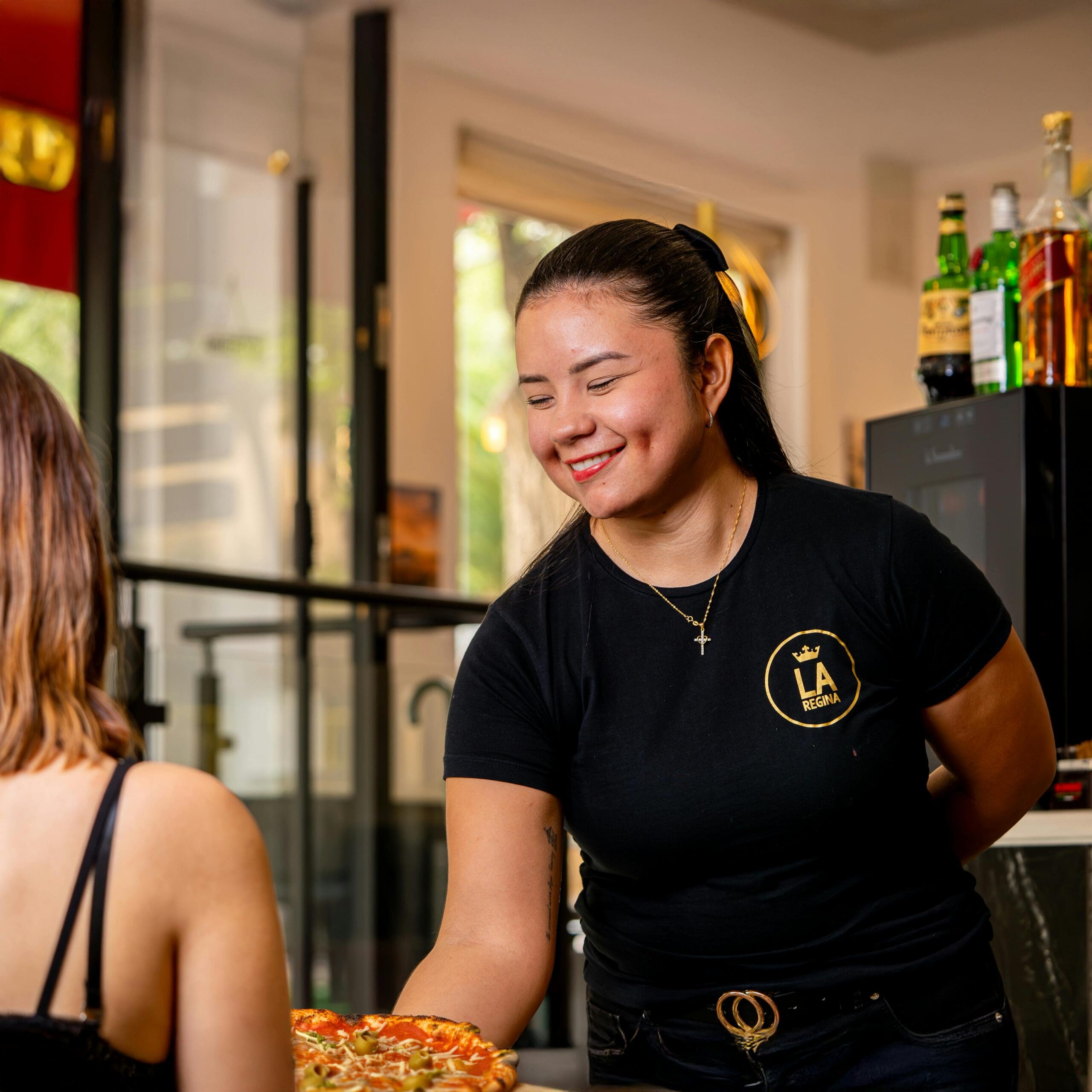
Before your server says a word, their appearance has already communicated something to the guest. Clean, pressed, well-fitted uniforms signal professionalism and respect. Personal hygiene is non-negotiable, not because your team lacks standards, but because the restaurant environment makes it easy to overlook details that guests absolutely notice.
One of the most common and correctable issues: fragrance. Cologne and perfume have no place on the floor. This isn’t about personal expression, it’s about the guest’s experience of the food. When a server approaches a table wearing a strong scent, it mingles with the aromas of the meal, and the guest may not consciously identify why the food seems slightly off. But the experience is diminished. Train your team to arrive to work fragrance-free.
Personal style and individuality are real things worth respecting in your team. But there’s a meaningful difference between allowing someone to express who they are and allowing presentation choices that cost your guests their appetite. Set clear, written standards. Enforce them consistently. According to front of house service research, guests form lasting impressions within the first 30 seconds of contact with a server.
Eye Contact and the Power of the Pause
Great server guest communication is built on attention, and attention is visible.
Eye contact is one of the clearest signals of genuine presence. A server who makes consistent, warm eye contact communicates that the guest matters. A server who scans the room while taking an order communicates the opposite, regardless of how friendly they sound.
Equally important: when you ask a question, stop moving and wait for the answer. One of the most common service behaviors that quietly erodes guest trust is the moving conversation. A server who asks “How is everything this evening?” while walking past the table is performing the check-in without delivering it. Guests notice, even when they don’t call it out. If the question is worth asking, the answer is worth receiving. Stop. Make eye contact. Listen.
Using the Guest’s Name
There’s a reason the oldest maxim in hospitality is still true: the sweetest sound in any language is the sound of a person’s own name.
When a server knows a returning guest by name and uses it naturally, it transforms the interaction. It signals memory, respect, and genuine care. It communicates that this person is not just a table number but a valued relationship.
This isn’t limited to regulars. Reservations often include names. Credit cards are presented at the end of a meal. If the information is available, use it, gracefully and without overdoing it. “Thank you, Mr. Harrison” lands completely differently than “here’s your change.”
Build name recognition into your restaurant training systems as a formal expectation, not an optional nicety.
Staying in Character: The Back-of-House Problem
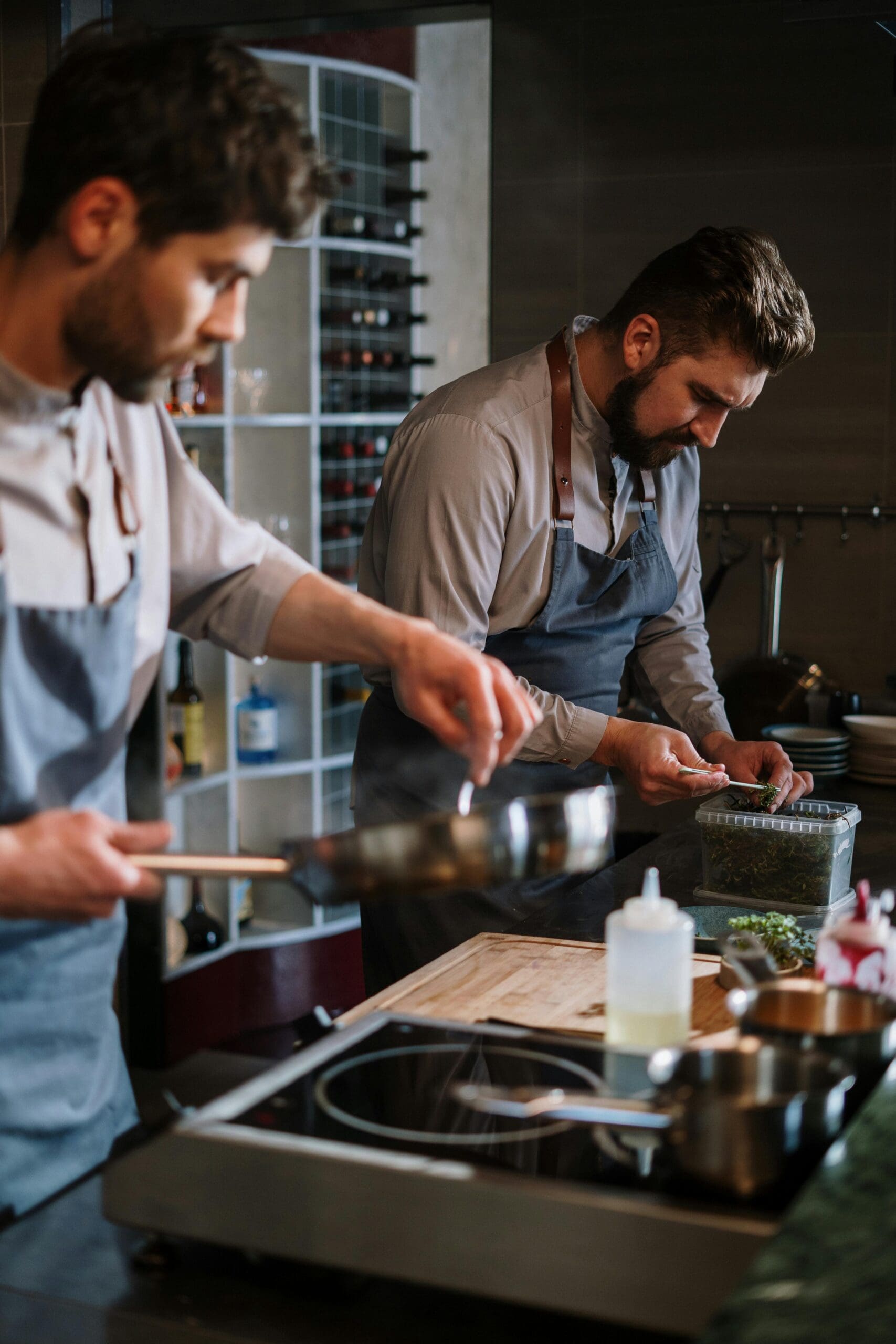
Here’s a truth that separates high-performing service teams from average ones: the guest experience doesn’t stop at the dining room door.
When a server walks into the back of house and immediately starts venting about a difficult table, complaining about management, or gossiping about a colleague, they’re doing something that has real consequences for their performance: they’re breaking character. And once that mindset is established, walking back onto the floor with genuine warmth and presence requires a mental shift that most people can’t consistently make.
Positivity on the floor isn’t a performance. It’s a practice. And like any practice, it’s easier to maintain than it is to repeatedly rebuild from zero. Disparaging guests, even in private, corrodes the culture that makes great service possible. Guest experience data consistently shows that service quality is directly tied to team culture behind the scenes.
Your best servers are “on” from the moment they arrive, not just when they’re standing at a table. Train for that. Hold the standard in the back of the house just as deliberately as you hold it on the floor.
Right of Way, Chivalry, and the Art of Being the Servant
Two undercoached behaviors have an outsized impact on how guests feel in your restaurant.
The first is physical right of way. When a guest is walking through the dining room and a server is moving in the same direction, the server moves aside. Every time. Without hesitation. This small, consistent act communicates something significant: you are the priority here. We are here to serve you. This is your space.
Competing with a guest for aisle space, even unintentionally, sends the opposite message. Train your team to yield physically, and to do it with grace rather than reluctance.
The second is sequencing. When taking orders at a table with a mixed group, the traditional approach still works: begin with the most senior woman present and move through women in order of perceived seniority, then pick up from the youngest male and work toward the most senior. This matters most with older guests who will absolutely notice if it’s done well, and may not consciously notice it’s missing but will feel something is slightly off when it isn’t.
Neither of these behaviors is about being servile. In the restaurant business, being the servant makes you the master of your income. The better the experience, the more generous the guest. That’s not coincidence.
The Invisible Refill
One of the most reliable markers of a well-trained server is what they do without being asked.
Water glasses should be refilled silently and without interruption. Soft drinks should be managed the same way. The server who approaches a table mid-conversation, waits for a pause, announces “I’m just going to top off your water,” and then waits to be acknowledged has just inserted themselves into the guest’s evening three times for a 15-second task.
The server who moves gracefully, refills without fanfare, and disappears before the guest has even registered they were there? That server has just made the experience better without taking anything away from it.
Guests are at your restaurant to enjoy their time, their companions, and their meal. Your team’s job is to facilitate that experience, not to become part of it. The best servers are noticed only when they should be, and invisible when they shouldn’t.
Building These Skills Takes a System
The behaviors described here are teachable. They’re also not self-installing. If you’re watching your guest scores plateau, seeing inconsistent tip averages across your floor, or hearing recurring feedback that the food is great but “something” about the experience felt off, the answer is often here: in the server guest communication skills your team was never formally taught.
Our operations support work often uncovers service communication gaps that are quietly costing restaurants repeat business. If you want a structured look at where your front of house is leaving money on the table, book an introductory call or schedule an advisory session.
The language of great service is learnable. It just needs to be taught.