
The Two Lives of a House Margarita
By Ray Camillo /
Protecting the house margarita is the one thing a lot of new Mexican restaurants forget to plan for. A restaurant opens in a crowded market and wins early with one drink. Fresh lime, real tequila, a glass that feels chosen instead of grabbed. That drink becomes the whole pitch, and for a while, it earns every bit of attention it gets.
Some owners go further and brag about it: the tequila brand, the technique, the theater of the pour. That’s fair when the drink backs it up. A restaurant that built real market share on the house margarita earned the right to say so out loud.
Where the Shortcuts Start
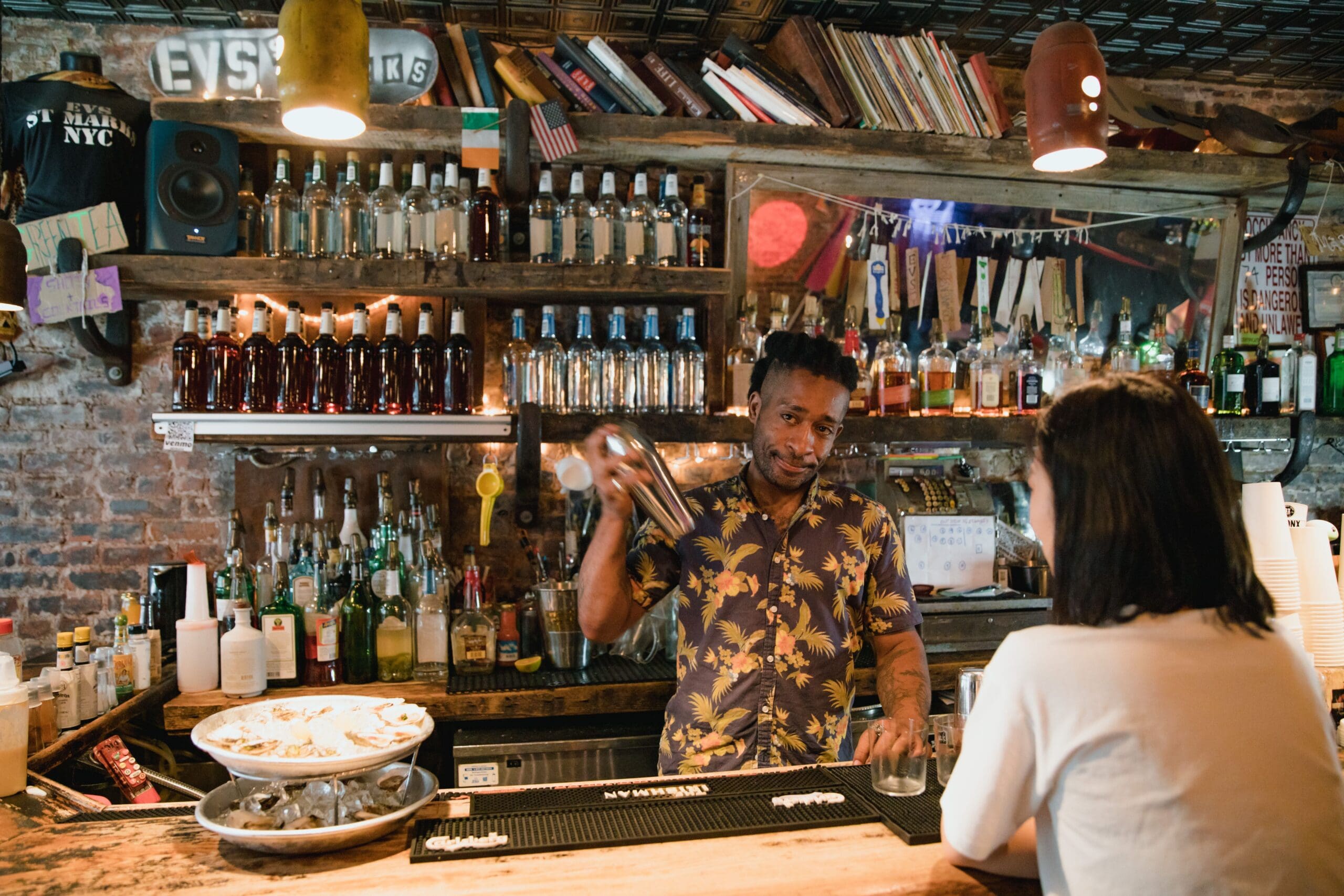
Then the bar gets busy. Shaking three hundred margaritas a night by hand stops feeling like craft and starts feeling like punishment. I’ve watched this change happen at more restaurants than I can count. A bartender starts complaining about the repetition. The owner starts hearing about ticket times. Somewhere in that conversation, someone floats a faster way to build the drink.
The first change rarely looks dishonest. The fresh-squeezed lime might get replaced with “fresh” juice from the produce vendor. That’s the kind that came out of a jug somewhere upstream. Maybe the tequila and orange liqueur get batched ahead of service so the bartender pours instead of builds. Or a frozen machine appears near the host stand, and the spigot starts doing work the shaker used to do.
None of these moves are wrong by themselves. A batch made correctly can taste identical to a drink built to order. A machine can free up a bartender for the ten other things they’re supposed to be doing during a rush. The trouble starts later, when the tequila in that batch gets downgraded, and nobody says anything. At that point, the margin on the house margarita is getting more attention than the margarita itself.
Rising costs push in the same direction. Bar prices are climbing nationally. Some guests are already pre-gaming before going out, just to soften what a night at the bar costs.
Expanding the Menu the Right Way
Some restaurants handle the pressure well. In a lot of restaurant-with-a-bar concepts, the cocktail list runs eight to ten drinks. One drink gets marketed as the house specialty, and the rest of the list grows around it.
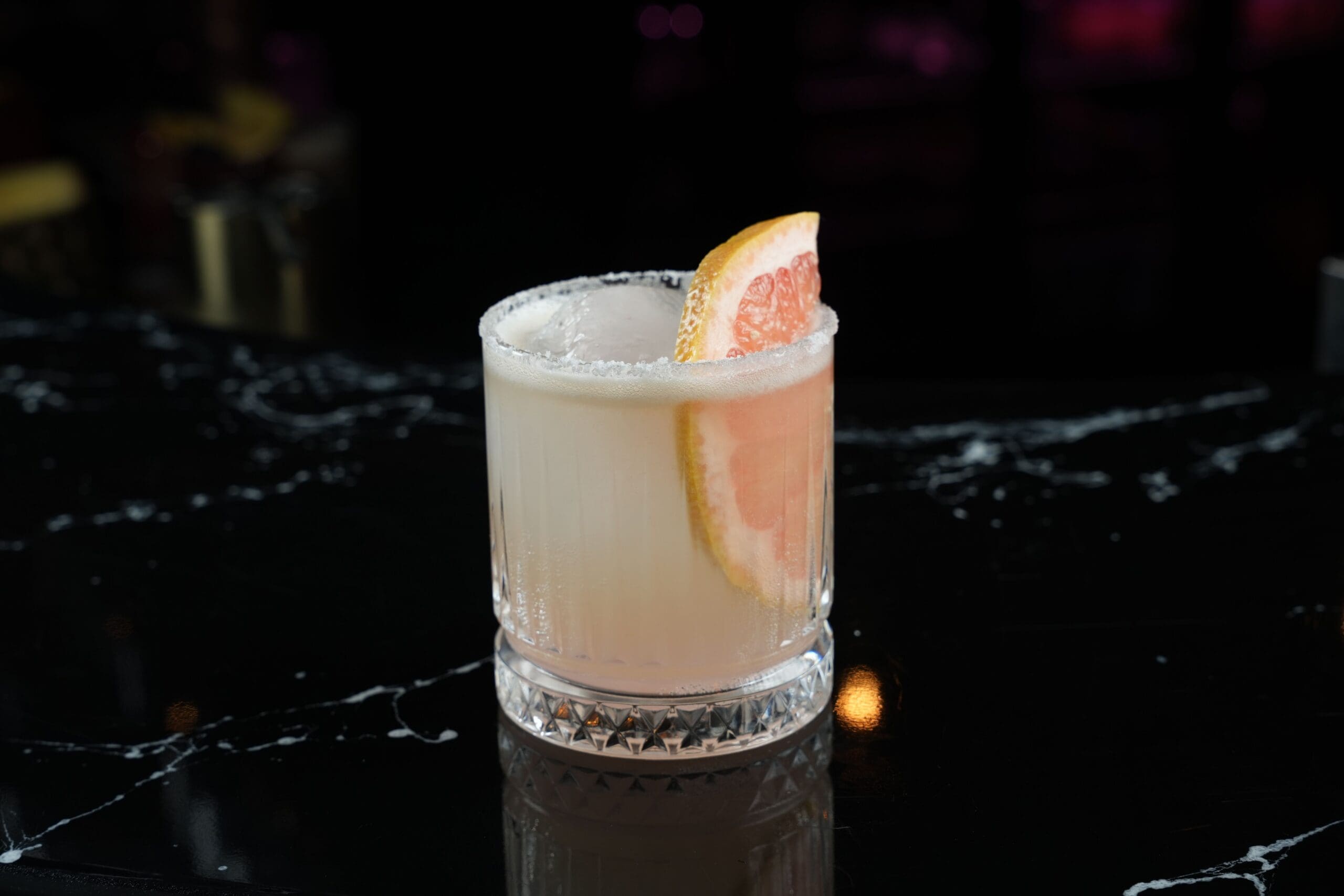
A Paloma joins the menu. Mezcal joins as tequila’s smokier cousin, for guests who want something with more edge. A skinny margarita gives the health-conscious guest permission to order one anyway.
That kind of growth respects the guest. It gives the bar real variety instead of the same six pours all night. The right way to expand is to increase margins without compromising quality. Don’t swap out what made the first drink work while nobody’s looking.
But expansion and cost-cutting can travel together, and that’s where it gets interesting. A restaurant launches four new margarita variations. The attention given to the launch becomes a smokescreen for changing the original recipe at the same time. New drinks get the press. The old one gets cheaper in the background.
Protecting the House Margarita
Whatever else changes, the house margarita should stay exactly as it was: same tequila, same technique, same glass. If labor cost is the real problem, solve it with staffing or better equipment. Don’t solve it by swapping the good tequila for a cheaper one and hoping nobody at the bar notices.
Guests notice more than most restaurants expect. They may not know the tequila changed. But they’ll register that the drink tastes different. They’ll trust that difference less than they trust their own memory of the first one. A restaurant that built its name on the house margarita owes that drink some consistency. That’s true even as everything else around it gets faster and cheaper to run.