

Mother’s Day Rush: Survive It and Actually Make Money
By Ray Camillo /
Mother’s Day restaurant service is the single highest-volume lunch or brunch shift most full-service restaurants experience all year. More covers, more stress, more opportunity. If you run it well, it can set your cash position for the next three weeks. If you run it sideways, you’ll spend those same three weeks patching the damage to your team’s morale and your regulars’ goodwill.
Here’s what actually works, based on years of helping operators turn high-stakes days into high-margin ones.
Prix-Fixe vs. A La Carte: Pick a Side
This is the first strategic decision, and too many operators try to hedge by offering both. That usually creates the worst of each format rather than the best.
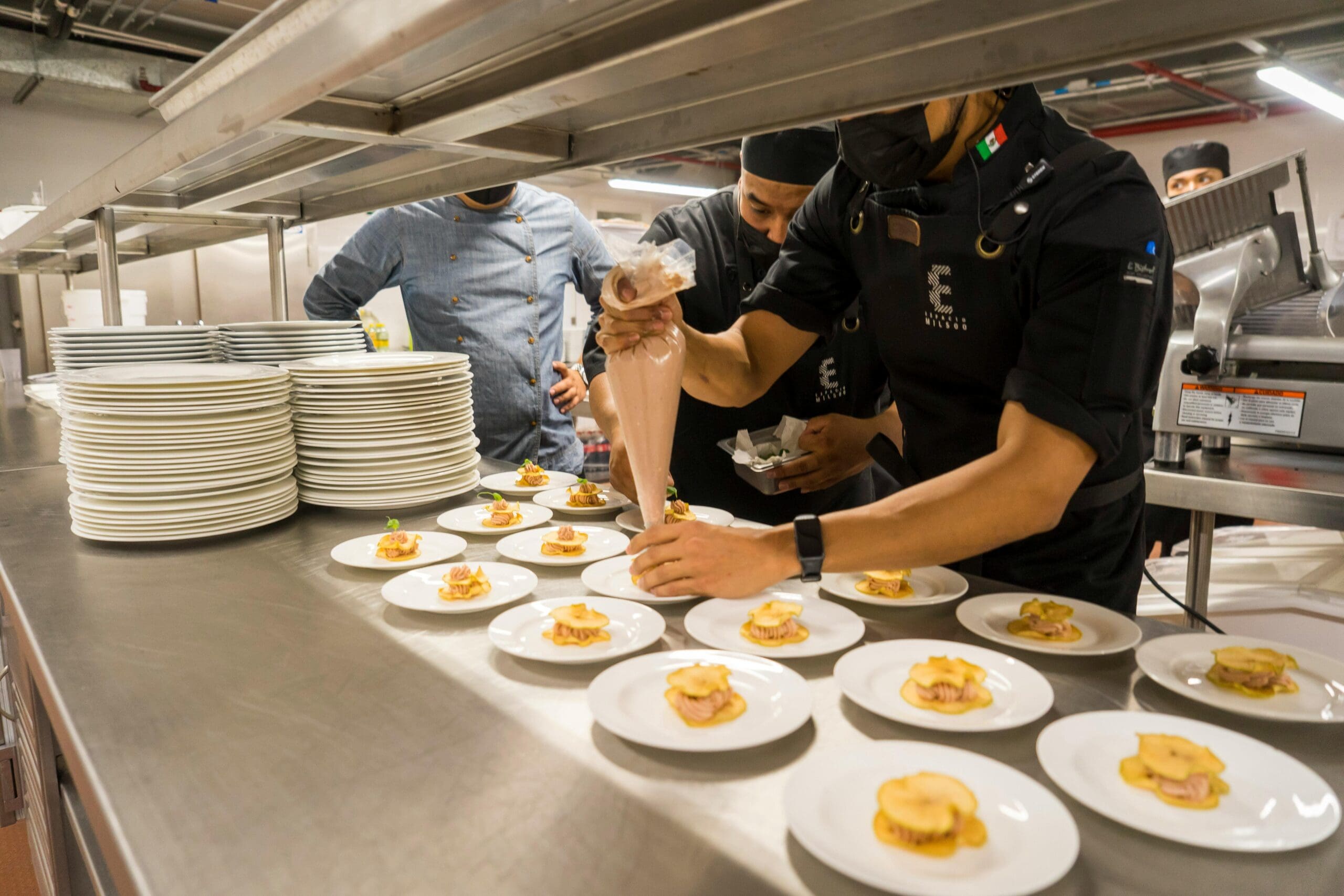
A prix-fixe menu for Mother’s Day restaurant service has real advantages. It lets you pre-order product more accurately, simplifies the kitchen’s execution plan, reduces ticket times, and often produces a higher check average than a la carte ordering on a rushed day.
The catch is that some guests resist it, especially regulars who want their usual order.
A la carte keeps flexibility but puts enormous pressure on your kitchen during peak volume. Every ticket becomes a negotiation between speed and accuracy.
The cleaner play for most full-service operators is a limited prix-fixe with two or three choices per course. Not a locked-in meal, but a simplified menu that moves the kitchen and gives guests enough agency to feel good about it. Price it at a premium. Your regulars will understand, and new guests won’t know the difference.
Reservation Management on Mother’s Day
If you’re still holding walk-in availability on Mother’s Day, you’re gambling with your floor plan. This is a reservations-only day for most full-service concepts. Here’s how to think about it.
- Set turn times and stick to them. Ninety minutes per table, communicated clearly at the time of booking. Your hosts need to know this number and enforce it politely.
- Stagger your reservation blocks. Seating everyone at 11:30, 12:00, and 12:30 creates three waves hitting the kitchen within minutes of each other. Spread covers across 30-minute intervals from open to close.
- Build a short waitlist. Even with full reservations, you’ll have a few no-shows. A short standby list fills those seats without turning people away.
- Confirm reservations the day before. A quick text confirmation with your address, parking notes, and arrival instructions cuts your no-show rate significantly.
Your host team is running the day as much as your kitchen is. Make sure they’re briefed, empowered to manage arrivals, and not outnumbered.
Staffing the Floor for Mother’s Day Restaurant Service
You need more people than you think. This is not the day to cut labor against your forecast. A few staffing principles that hold up well on high-volume holiday shifts.
Bring in your best
This isn’t the day to train a new hire or give a struggling server a development opportunity. Put your most experienced, calmest team members on the floor. Speed and composure matter more than anything else.
Add a support layer
Your servers cannot run food, fill water, clear plates, reset tables, and manage a four-table section on Mother’s Day. They need support staff. Even if you don’t run food runners on a typical Sunday, add them today. The cost is minor compared to the turn-time improvement.
Brief the team the day before
A five-minute pre-service meeting is standard. A fifteen-minute team briefing the evening before Mother’s Day is better. Walk through the menu, the reservation schedule, the table assignments, and the turn-time expectations. People perform better when they know what’s coming.
Your Bar Is an Underused Asset on Mother’s Day
Most operators think of the bar as a waiting area on Mother’s Day. That’s a missed revenue opportunity.
If your bar seats eight to twelve guests, treat it as a full seating section with its own reservations or a first-come, first-served brunch experience. Build a simple brunch cocktail package, a mimosa or Bloody Mary option at a set price. Train your bartender to move covers at the bar the same way servers move tables on the floor.
The bar also helps you manage overflow when reservation timing bunches up. A couple waiting ten minutes at the bar with a drink in hand is a much better experience than standing by the host stand.
A Few More Operational Details That Matter
- Pre-roll silverware the night before. More than you think you’ll need.
- Run a full inventory check Friday afternoon. Don’t discover you’re short on champagne at 10:45 Sunday morning.
- Have a printed floor plan for each shift with table assignments and server sections marked.
- Set a firm last-seating time and communicate it to all front-of-house staff. Stragglers after that time create overtime problems and kitchen chaos.
- Have a manager physically on the floor, not behind a computer, for the entire service.
What Separates a Good Day from a Great One
The restaurants that consistently turn Mother’s Day into a strong financial win aren’t doing anything magical. They’re doing the basics at a higher standard than usual. They planned farther ahead, staffed more intentionally, and made it easier for the kitchen to execute consistently.
The operators who struggle are the ones who treat it like a regular Sunday with more reservations. It is not. It is a different kind of day that requires a different kind of preparation.
If your Mother’s Day restaurant service this year feels chaotic rather than controlled, that’s useful information. It usually means your systems and your team need attention before the next high-volume day arrives. We can help you figure out where the friction is. Schedule an advisory session or book an introductory call to talk through what a sharper operations setup looks like for your concept.