
Veterans Day at the Table: Hospitality’s Debt to Those Who Served
By Ray Camillo /
Military veterans in restaurants number more than 250,000, according to National Restaurant Association figures. They work in kitchens, behind bars, and in management offices across the country. Veterans Day is Wednesday, November 11.
Veterans Day honors everyone who served in the armed forces. Memorial Day honors those who died in service. Get that right in anything your restaurant posts next week.
What Military Service Teaches That Kitchens Need
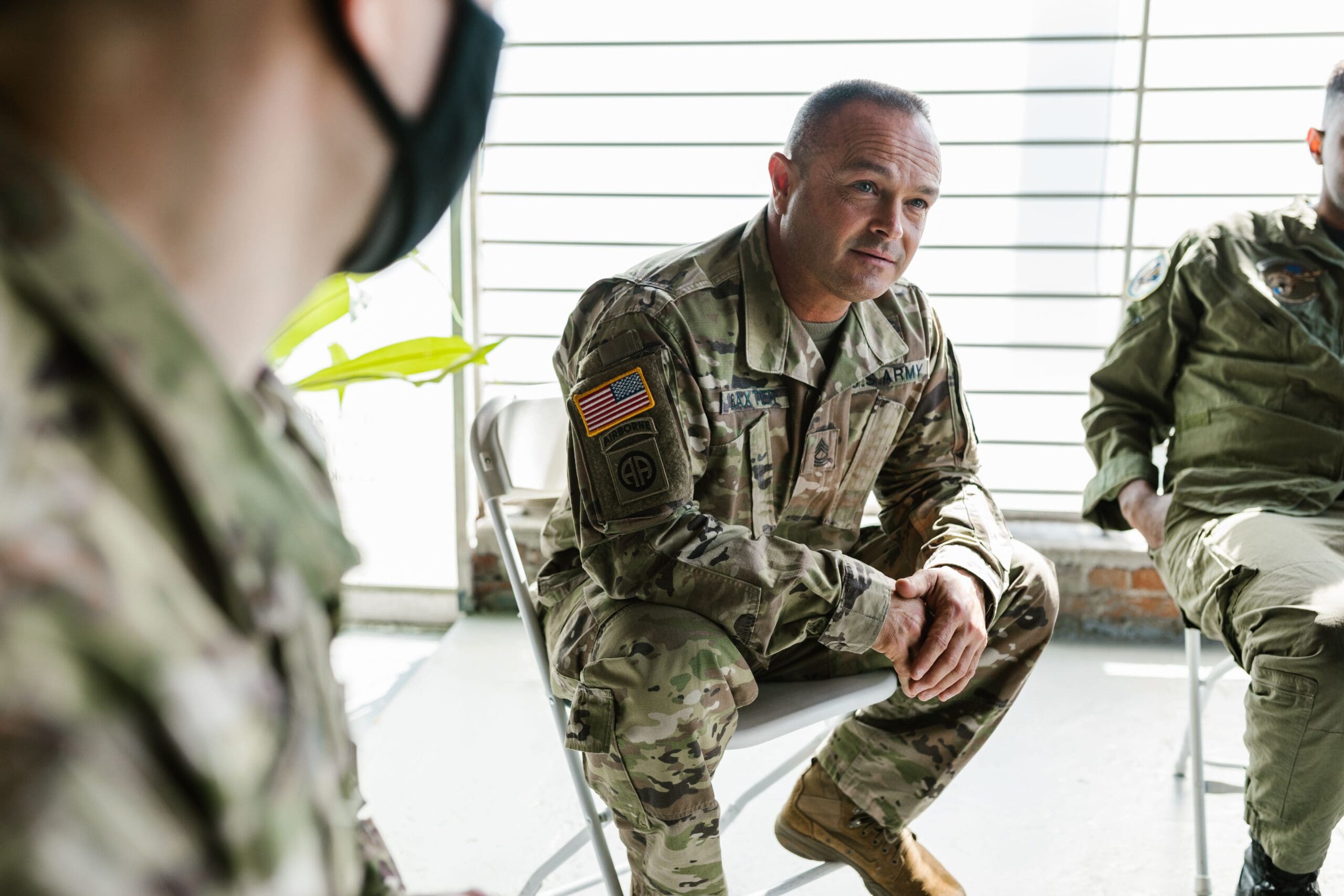
Howie Velie, an associate dean at the Culinary Institute of America, put it simply in FSR Magazine. He wrote that mise en place is a way of life in the military. On a busy Saturday, a cook with that habit keeps the line moving.
The overlap goes past mise en place. Service members brief before every operation. They follow a clear chain of command, clean as they go, and keep working when the plan falls apart. Each of those habits has a direct equivalent in a restaurant shift.
The numbers back it up. In the same FSR piece, 19 percent of military veterans in restaurants held management positions. That compared with 10 percent of nonveterans. Veterans were also nearly twice as likely to hold supervisor roles.
Hiring Military Veterans in Restaurants
Military resumes rarely use restaurant language. A supply sergeant managed inventory and ordering. Squad leaders scheduled, trained, and evaluated a team. Ask candidates what they were responsible for, how many people they led, and what equipment they maintained.
The National Restaurant Association Educational Foundation runs programs built to support military veterans in restaurants. Its Restaurant Manager SkillBridge program is a 12-week apprenticeship that service members can complete before they leave the military. Restaurants Recruit, a free service, connects veterans, transitioning service members, and military spouses with hiring restaurants.
Military spouses deserve attention too. They move often, usually on short notice. If you run more than one location, a spouse who can transfer to another unit is worth keeping.
Support the Veterans Already on Your Team
Some military veterans in restaurants today still serve in the National Guard or the Reserve. They have drill weekends, annual training, and sometimes deployments. Federal law (USERRA) protects their civilian jobs while they serve.
Build drill weekends into the schedule as soon as you get the dates. Don’t make Guard members trade away shifts to cover their own service. If they deploy, plan for their return before they leave.
Many veterans never mention their service at work. Ask on your hiring paperwork, and make it optional. Don’t ask anyone to tell war stories at pre-shift.
If You Offer a Veterans Day Meal
Plenty of restaurants offer veterans a free meal or a discount on November 11. If you do, keep it simple. Accept a range of proof, or just take a guest’s word for it.
Don’t put your servers in the position of checking IDs at the table. Staff the shift like a holiday, because lunch can get busy. And skip the hard sell in your posts. A plain thank-you reads better than an ad.
Start With Your Own Team
Before you post anything on November 11, thank the veterans on your own staff. Mention them at pre-shift. Buy the team lunch. Ask how they’d like the day handled, since some would rather keep it low-key.
Military veterans in restaurants already bring discipline, leadership, and calm under pressure to their shifts. Great restaurant leaders recognize that and build on it. Ask veterans on your team to help teach your restaurant training program.