
Juneteenth and the Table: Celebrating Culture Through Food and Hospitality
By Ray Camillo /
Juneteenth food and hospitality have a longer history than the holiday itself, which became a federal observance in 2021. The gathering, the table, the specific foods that mark the occasion – these go back to 1865 in Galveston, Texas, and to the generations of celebration that followed across communities where June 19th was already a living tradition long before it had a place on any official calendar.
For restaurants and hospitality operators, this day is worth understanding on its own terms. Not as a marketing moment. Not as a menu change. As a genuine piece of American food culture with specific history, specific flavors, and a specific meaning that the industry can honor or gloss over depending on how it chooses to engage.
Where the Tradition Comes From
The story starts on June 19, 1865, when Union soldiers arrived in Galveston to announce the end of enslavement, more than two months after the Civil War officially ended. The communities in Texas and throughout the South that observed this date built traditions around it over the following decades, including food traditions that carried both celebration and memory.
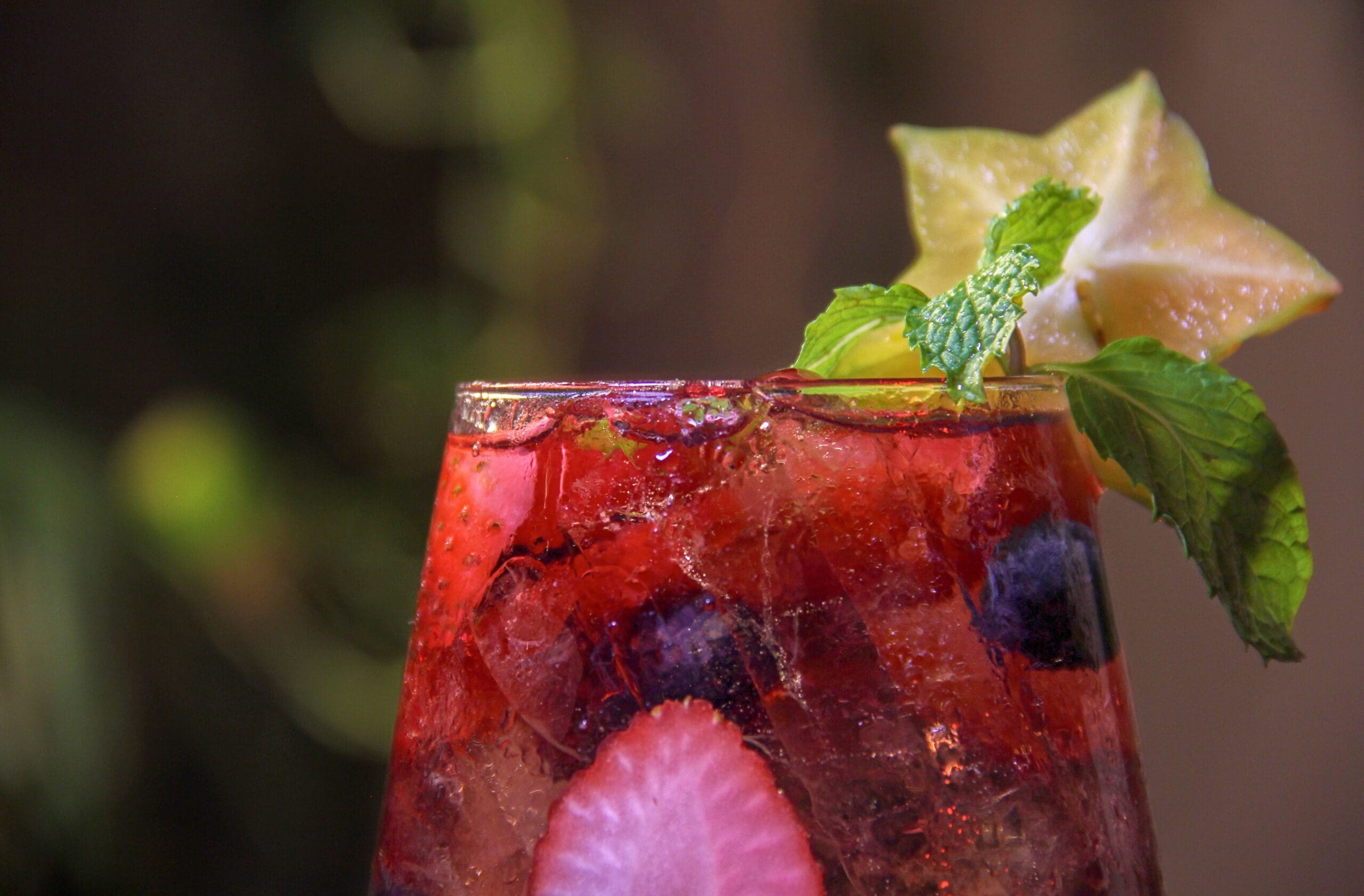
The foods associated with Juneteenth are specific and intentional. Red foods hold a particular significance. Red soda water, red punch, strawberry cake, watermelon. The color red itself carries meaning within the tradition, connected to the West African Yoruba culture that enslaved people brought with them across the Atlantic. That thread runs through the celebration in a way that is not accidental and is not decoration.
Historian and culinary author Michael Twitty has written extensively about the African American culinary tradition and its connection to both survival and celebration. His work, particularly in The Cooking Gene, traces the food of the American South directly through the labor and knowledge of enslaved people. The greens, the peas, the smoked meats, the red drinks, these are not background notes in American food history. They are the core of it.
What Juneteenth Looks Like at the Table
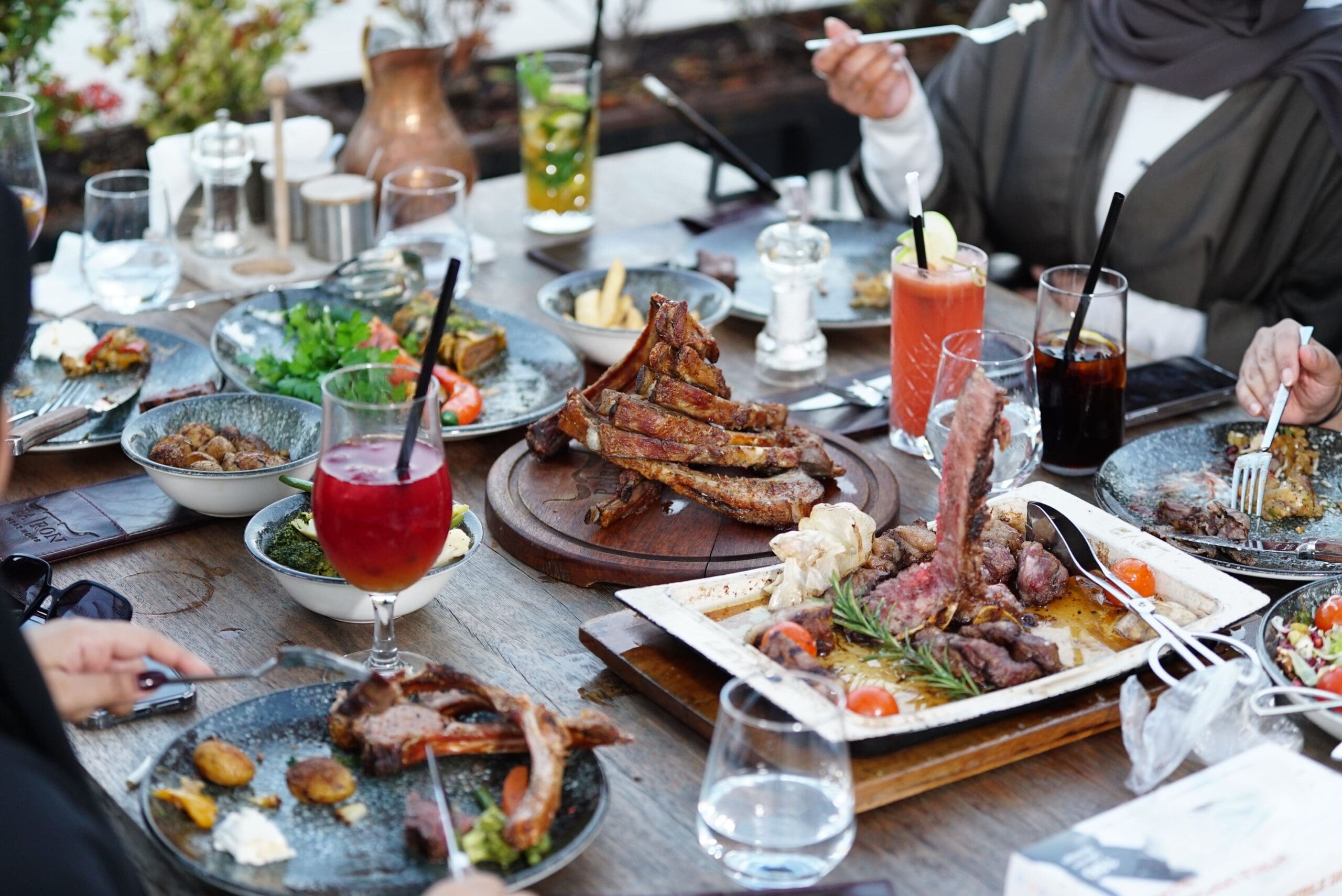
The meal at a Juneteenth gathering tends toward abundance and communal eating. Whole animals smoked low and slow. Massive pots of greens. Black-eyed peas and red beans. Corn on the cob. Cakes and pies built from recipes passed down through families for generations. The table is long because the point is gathering, and gathering many.
The red drink tradition deserves its own mention because it is one of those food customs that most Americans recognize without knowing where it came from. Red Kool-Aid at a summer cookout. Red punch at a church picnic. Hibiscus tea, also called bissap, which comes directly from West African tradition and was carried to the American South. The drink is not a coincidence. It is a continuous line from one continent to another.
Southern comfort food as Americans broadly understand it, the fried chicken, the cornbread, the sweet potato pie, the collard greens with smoked ham hock, this food exists in large part because Black cooks invented, refined, and maintained it across generations, often under conditions that gave them little credit and less compensation. Juneteenth is one day to say that out loud.
How Restaurants Can Honor the Day Honestly
The risk for restaurants is that acknowledgment becomes performance. A social media post and a drink special are not the same as genuine engagement. Guests who know this tradition will recognize the difference quickly.
The more honest path involves a few specific choices. If a restaurant features food connected to this tradition, name the tradition. Not just to describe it but to explain why it exists. Collard greens have a story. Red velvet cake has a story. Hibiscus has a story. Telling that story on the menu, in a server’s explanation, or in a printed card at the table costs nothing and respects the origin.
Feature Black chefs, caterers, and food businesses where the opportunity exists. This is a day that creates natural openings for collaborations that might not be on the calendar otherwise. A guest pastry chef. A featured local product. A sourcing partnership with a Black-owned farm or vendor. Those partnerships are more meaningful than a hashtag and they hold up past the holiday.
A Note on Authenticity
Authenticity here does not mean that only Black-owned restaurants can acknowledge Juneteenth. It means the acknowledgment should come from genuine knowledge rather than a marketing instinct. Operators who understand the tradition will engage differently than operators who are treating it as a content opportunity. The former earns credibility. The latter earns skepticism from the exact guests the restaurant is trying to reach.
The hospitality industry has a particular opportunity on this day because hospitality is already in the business of gathering people around a table. That is not a coincidence. That is the oldest definition of what food does in a community.
The Industry Connection
The restaurant industry has a complicated relationship with Black labor and Black culinary heritage. Much of what fills American menus and what guests consider American food came directly from Black kitchens, Black hands, and Black knowledge. The industry has not always been honest about that history, or generous to the people who built it.
Juneteenth is one day to be more intentional about both. Not as absolution, not as a campaign, but as basic acknowledgment that the food on most American tables has a fuller history than the menu usually tells.
For guests who grew up celebrating Juneteenth, a restaurant that engages with that history specifically and honestly will read as thoughtful. For guests who are learning about it for the first time, the restaurant becomes part of their education. Both outcomes are worth something to a hospitality operator who takes the day seriously.
The table has always been where this gets worked out, who gets to sit, what gets served, who cooked it, and whose story gets told. On June 19th, that conversation is worth having.