
Your Host Stand Is Broken. You Just Can’t See It From Inside.
By Ray Camillo /
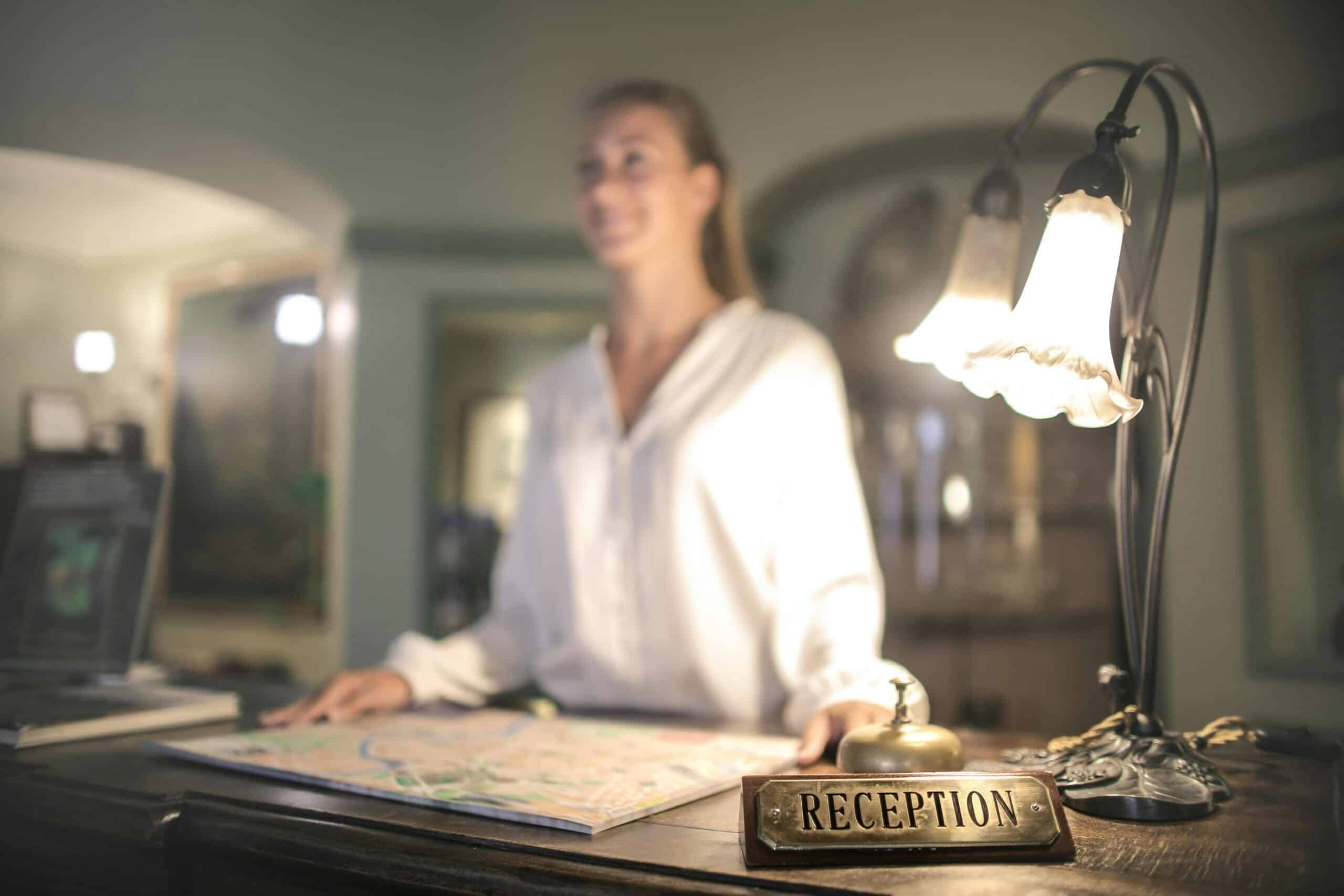
Most restaurant owners underestimate the host stand. They know it matters for seating flow and wait times. But host stand training is rarely treated as a system. It is usually treated as a personality hire. You found someone likable, attractive, and charismatic. You put them at the front door. Done. Except it is not done. Not even close.
The Congregation Problem
Here is what happens within a few weeks of any host stand built on charisma alone. Servers, bartenders, and bussers discover the host is fun to talk to. During slower moments, they drift to the front and chat. The host enjoys the company. No one thinks anything of it.
Then a guest walks in.
The server or food runner who does not belong at the host stand gets interrupted mid-conversation. In that half-second before they recover, they give the guest a look. It is not intentional. It is not mean. But it communicates one thing clearly: you interrupted something.
The guest feels it immediately. And no amount of warmth from the host or hostess in the next five minutes erases that first moment. You cannot undo a bad first impression. That is not a saying. In the restaurant business, it is a measurable cost.
The 20-Yard Rule for Host Stand Training
One of the most effective techniques in host stand training is also one of the simplest. At least every 20 to 30 minutes, the host should walk out the front door. Not just to the sidewalk. Far enough from the building to simulate what a guest experiences on arrival.

They should not look back until they are about 20 yards out. Then they turn around and see the restaurant the way a guest sees it for the first time.
What they find is often humbling. A burned-out bulb. An overflowing trash can. A smudge on the front door that has been there for two days. And one of the most common and most damaging finds: one of the two front doors is not unlocked.
A guest reaches for the second door, it does not open, they catch themselves, look around, and feel slightly foolish. That is a negative experience. It is small. It is fixable. And it keeps happening at restaurants across the country because no one built an outside-in habit into their host stand training system.
Waiting Is Stressful. Act Like It.
Being put on a wait creates low-grade anxiety for most guests. They do not know how accurate the quoted time is. They do not know if the host sees them or has forgotten them. They do not know if they should hover near the stand or go sit at the bar.
Your host stand training needs to address all three of those uncertainties directly. The guest needs to feel seen. They need to know you are aware they are waiting. And they need to trust that your time estimate is honest.
That means proactive check-ins. Not waiting for the guest to approach you. Not just calling their name when the table is ready. Genuine, brief updates that say: we know you are here, we are paying attention, and we are not forgetting you.
The Three-Position System
When your restaurant is running at volume, one person cannot do all of this well. Effective host stand training for busy services breaks the front-of-house entrance into three defined roles.
The Greeter is stationed at the front door. Their only job is the guest. They make eye contact before the guest reaches the podium. They welcome. They read the situation. They are the emotional anchor for every guest who walks through the door. The Greeter does not manage seating charts. They manage people.
The Director manages the dining room floor. They watch for tables turning, communicate with servers, and coordinate timing. When a table opens, they let the Greeter know. They are the logistics engine behind the emotional experience the Greeter is delivering.
The Seater escorts guests to the table. They remove extra settings, introduce the server by name, and make sure the guest is settled before they leave. Simple, but most restaurants skip the server introduction entirely.
These three roles require clear training, clear expectations, and clear communication between all three. The Greeter and Director have to talk constantly when it is busy. If that communication breaks down, guests get quoted wrong times, tables sit empty while people wait, and the whole system unravels.
What Good Host Stand Training Actually Produces
A well-trained host team does not just seat people efficiently. They set the emotional tone for the entire meal. Guests who feel welcomed from the moment they walk in are more forgiving of small service missteps later. They tip better. They come back. They tell people.
Your host stand is not a greeter role. It is your brand’s first handshake with every guest you have ever worked to attract. Treat it accordingly.
If your front-of-house systems need a reset, our training solutions are designed for exactly that. Start with your operations support options or reach out for an introductory call or advisory session to talk through where your guest experience is leaking.