
Why Garlic Belongs on Every Menu (An Unscientific Defense)
By Ray Camillo /
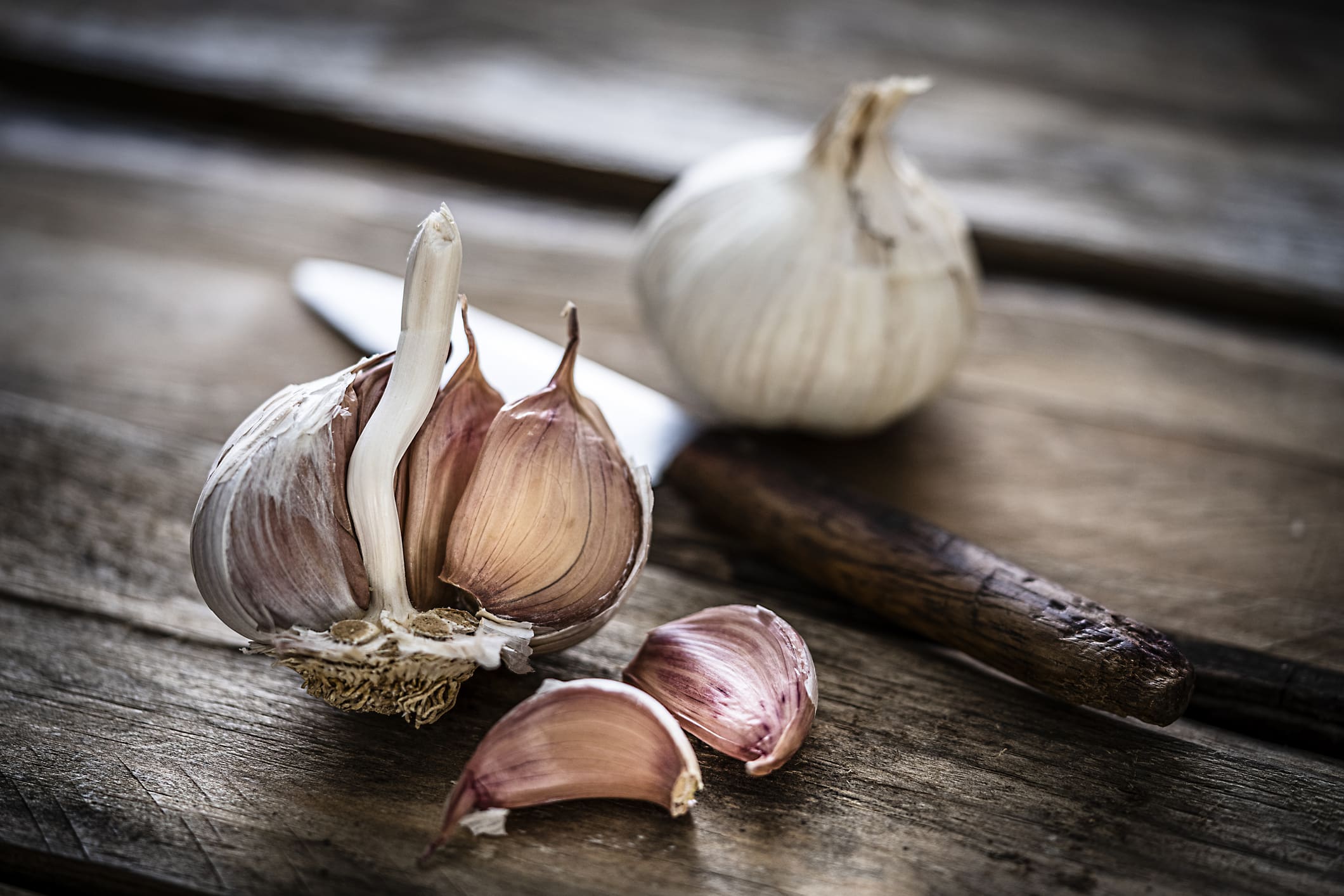
Garlic on a restaurant menu is not a trend. It has never been a trend. It is present in almost every cuisine, on almost every menu, at almost every price point, in almost every country. And yet almost nobody stops to ask why. June is National Garlic Month, which is as good an excuse as any to spend some time on one of the most useful, least glamorous, and underappreciated ingredients in your kitchen.
This is not a chemistry lesson, though there is some chemistry involved. It is more of a case for something professional kitchens take for granted and then rely on for everything.
Garlic Is Already Everywhere
Read through any full-service menu and count how many items contain garlic. Garlic bread. Aioli. The pasta dishes. Roasted vegetable sides. The braises. The marinades. The compound butters with the steak. Most menus carry garlic in eight to fifteen preparations without ever calling attention to it, because at this point it is just assumed to be there.
That ubiquity is worth a second look. Garlic earns its place because it does several things at once. It builds base flavor. It connects other ingredients to each other. It amplifies the flavors around it in ways that make a dish taste more complete. A pasta with garlic and olive oil is not pasta with two additions. The garlic and oil interact with heat and starchy pasta water to create an emulsified sauce that neither produces on its own. That is useful. That is why it is everywhere.
The National Restaurant Association’s 2026 FABI Award panel named a ready-to-use garlic confit among their top selections, citing operational practicality and ingredient simplification. Garlic confit is on that list because kitchen teams need to deploy garlic flavor consistently without the prep time. That is not a new idea. It is a very old idea finally available in a form a busy line can use.
Garlic Has More Range Than Most Kitchens Use
When garlic is cut or crushed, an enzyme called alliinase converts alliin into allicin, which produces the sharp, pungent smell. Heat changes everything. Slow roasting breaks down the harsh sulfur compounds and converts them into sweeter, nuttier flavors. That is why roasted garlic and raw garlic taste almost nothing alike, even from the same bulb.
Fried garlic, sauteed garlic, and raw garlic each behave differently on the palate and in a dish. Temperature and cooking method determine what role garlic actually plays. A kitchen that works across all those preparations has considerably more range than one that defaults to one or two. Garlic is, depending on how you handle it, four or five different ingredients. All from something that costs almost nothing and takes minimal storage.
The practical implication for menu development is simple. If your team only uses garlic one way, they are using a fraction of what it can do. That is a real missed opportunity, especially for vegetable-forward dishes, which often need the savory depth that allium compounds provide.
What Happens When Garlic Hits the Room
There is a reason garlic bread is one of the most ordered items in casual dining. It is not nutritionally remarkable. It is not chef-driven or particularly seasonal. It is bread, butter, and garlic, often pre-portioned and reheated. Guests order it constantly, because the smell of garlic cooking is one of the strongest appetite signals a kitchen produces.
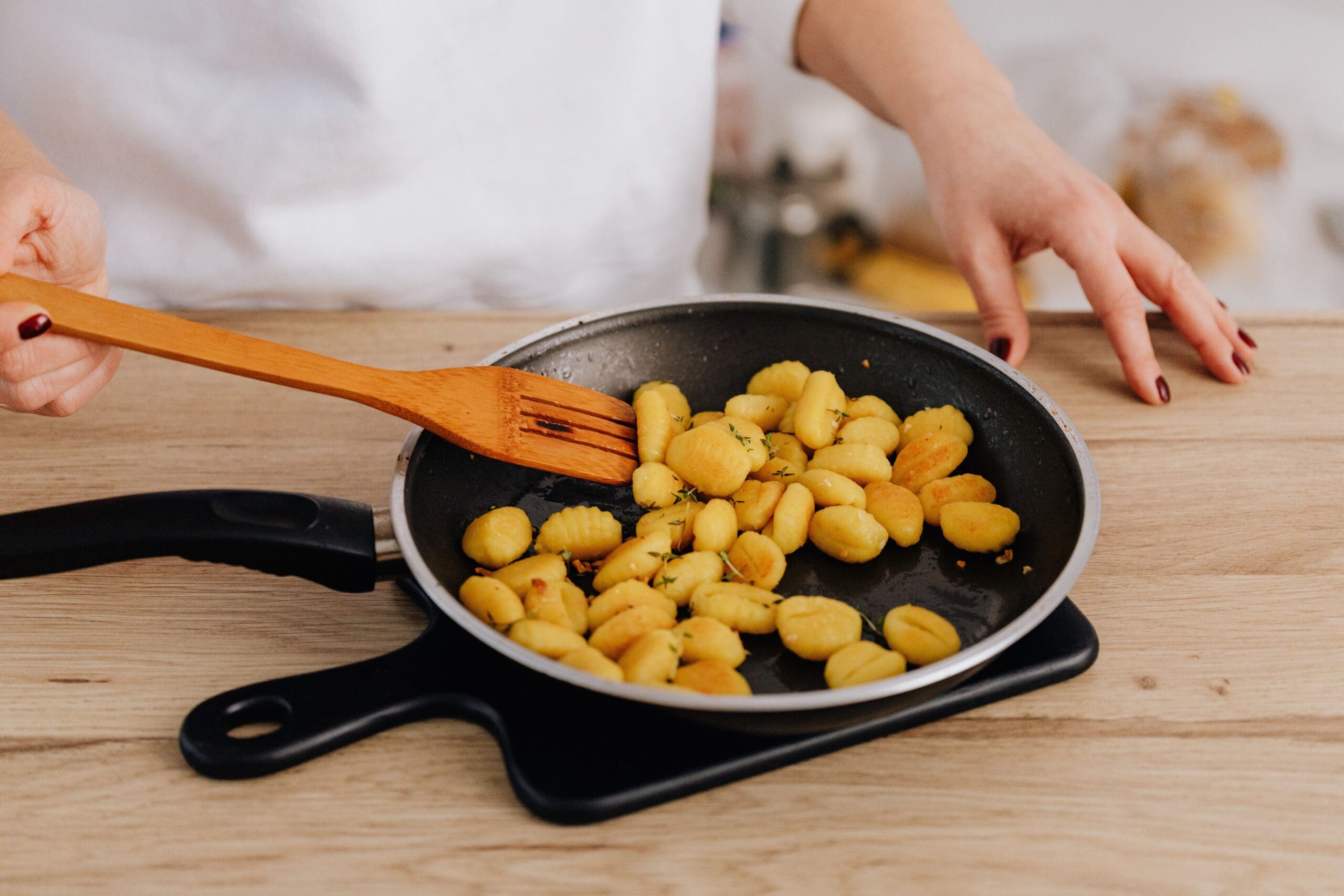
Aroma gets ahead of the food. The smell of garlic in hot oil travels across the dining room and reaches tables that did not order anything yet. Operators who cook aromatic preparations in the open, or time them well, are using that reality. It is not a trick. It is understanding that a guest’s experience of a meal starts before the plate arrives. When I managed eatZi’s Market & Bakery in Atlanta, I had the exhaust hood vent pipe over the bread oven re-routed to just over the front entrance vestibule…because the chefs used the bread ovens for roasting garlic in the afternoons. Fresh bread aroma wafting over the parking lot (and Peachtree Street) by day…garlic by night. Sales went up. No joke.
Garlic also carries memories. For a lot of diners, that smell connects to food from home, to family kitchens, to comfort. You cannot create that association through branding or service scripting. It is already in the ingredient. Using it well is part of how a restaurant feels familiar even on a first visit.
Fresh Garlic Has a Season
The California central valley garlic harvest runs through late summer. During peak season, fresh garlic is usually better: plumper, bolder in flavor, more moisture in the clove. Most kitchens do not source seasonal garlic any differently than they source their year-round dry goods. That is a missed opportunity both in flavor and in something genuine to say about the menu.
An ingredient that is better and cheaper in summer, and interesting enough to mention, is the kind of thing a menu can use. ‘Fresh California garlic is something worth drawing attention to on the menu and tends to justify a slightly higher price without a hard sell.
That said, garlic confit, black garlic, and pickled garlic all have their own applications worth working into your rotation. Black garlic, produced through a slow fermentation process that converts the sugars and breaks down sulfur compounds, has a deep, molasses-like flavor that works well with red meats and aged cheeses. It is not a substitute for fresh. It is a different instrument in the same section.
Where Garlic Earns Its Keep
Beyond the obvious applications, garlic shows up in a few categories that get less attention. Savory cocktails have been using garlic elements in compound syrups and infused spirits for several years. A Bloody Mary with garlic is nothing new. It is a natural development of a drink that is already savory.
Dessert applications are less common but not absent. There is a notable garlic gelato tradition that traces back to the Stinking Rose in San Francisco, on their menu for decades. It works because extreme slow-roasting removes most of the pungency and leaves something closer to a sweet, earthy note. Not for every restaurant. But for an operator willing to feature one unusual dessert, it tends to generate real conversation.
The shareable appetizer category is where garlic is most consistently profitable. Garlic bread, garlic knots, roasted garlic with bread service, garlic aioli with fries or a shared plate. These items have low food cost, strong ordering rates, and solid contribution margin. They also come out quickly, which helps the pace of service when the kitchen needs a minute.
The Case, Such As It Is
None of this is complicated. Garlic tastes good in many forms, triggers appetite responses, carries flavor memory, costs almost nothing, has a peak season worth sourcing around, and makes other things taste better. For an ingredient that earns no premium on a menu and requires no special supplier relationship, that track record is hard to match.
The question a menu-minded operator might ask is not whether to use garlic. It is whether they are using all of it: fresh, roasted, confit, black, pickled, fried, raw. Each is a different tool. Most kitchens use two or three. The range of uses is wider than that, and it costs you nothing to explore.
If you want to look at your current menu with fresh eyes and think about where flavor development could be stronger, that is a good use of an advisory conversation. Book an introductory call or schedule an advisory session, and we can walk your menu together