
75 Food Halls in America: The Growing Mixed-Use Real Estate Development Trend
By Ray Camillo /
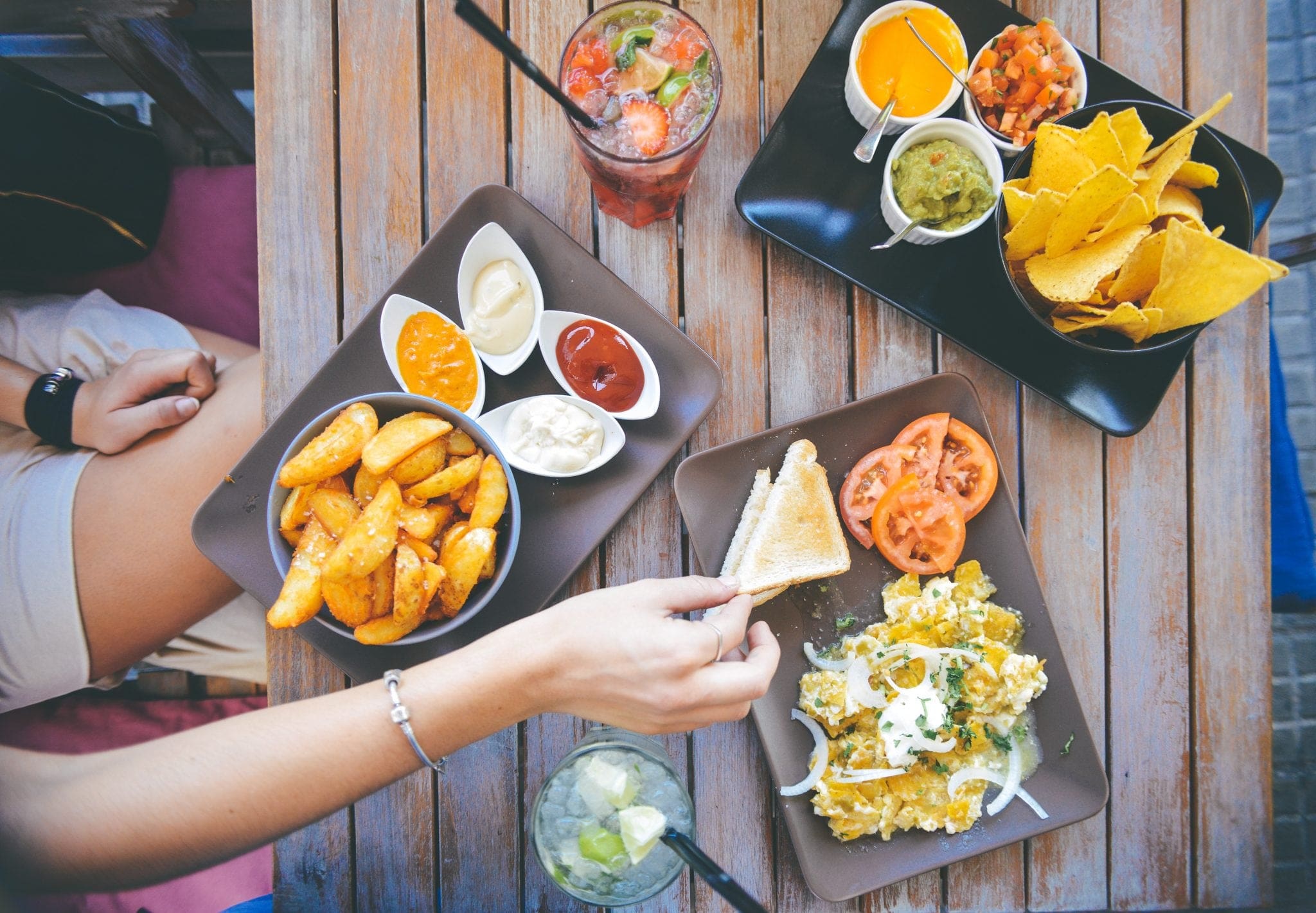 While the US food hall trend may have started in New York, it’s now sweeping across America. With major food-focused real estate developments such as Eataly and chef Todd English’s Plaza Food Hall opening in New York in 2010, food halls area launching in other US cities from Atlanta to Seattle.
This gourmet, casual dining model of food halls and gourmet markets are even being adopted in sporting stadiums and airports, and often, food halls are developed in repurposed former industrial buildings or other local architectural hotspots making for unique and exciting restaurant concept opportunities.
Here are 75 food halls in America that showcase how the mixed-use real estate development trend is growing rapidly:
| Berg’n – Brooklyn, New York |
| Budd Dairy Food Hall – Columbus, Ohio |
| Chelsea Market – New York, New York |
| Chicago French Market – Chicago, Illinois |
| Corporation Food Hall – Los Angeles, California |
| DeKalb Market Hall – Brooklyn, New York |
| Delaware Collective – Wilmington, Delaware |
| Detroit Shipping Company – Detroit, Michigan |
| East End Market – Orlando, Florida |
| Eastern Market – Detroit, Michigan |
| Eastern Market – Washington, DC |
| Eden Center – Falls Church, Virginia |
| El Palacio de Los Jugos – Miami, Florida |
| Essex Street Market – New York, New York |
| Faneuil Hall Marketplace – Boston, Massachusetts |
| Ferry Building Marketplace – San Francisco, California |
| French Market – New Orleans, Louisiana |
| Fulton Street Food Hall – Las Vegas, Nevada |
| Gansevoort Market – New York, New York |
| Gotham West Market – New York, New York |
| Grand Central Market – Los Angeles, California |
| Helms Bakery – Culver City, California |
| Hudson Eats and Le District Food Hall – New York, New York |
| Industry City Food Hall – Brooklyn, New York |
| Jeannine’s Gourmet Food Hall – Westlake Village, California |
| Joan’s on Third – Los Angeles, California |
| Keg and Case Market at Schmidt Brewery – St. Paul, Minnesota |
| Krog Street Market – Atlanta, Georgia |
| Latinicity – Chicago, Illinois |
| Legacy Food Hall – Plano, Texas |
| Lenexa Public Market – Lenexa, Kansas |
| Marietta Square Market – Atlanta, Georgia |
| Market House (at the Nashville Farmers Market) – Nashville, Tennessee |
| Melrose Market – Seattle, Washington |
| Mercado La Paloma – Los Angeles, California |
| Mercantile and Mash – Charleston, South Carolina |
| Midtown Global Market – Minneapolis, Minnesota |
| Morgan Street Food Hall & Market – Raleigh, North Carolina |
| New World Mall Food Court – Queens, New York |
| Ottenheimer Market Hall – Little Rock, Arkansas |
| Oxbow Public Market – Napa, California |
| Pike Place Market – Seattle, Washington |
| Pine Street Market – Portland, Oregon |
| Playa Provisions – Playa Del Rey, California |
| Ponce City Market – Atlanta, Georgia |
| Public Market – Emeryville, California |
| Quincy Market – Boston, Massachusetts |
| Reading Terminal Market – Philadelphia, Pennsylvania |
| Revival Food Hall – Chicago, Illinois |
| Rockridge Market Hall – Rockridge, California |
| Smorgasburg – Brooklyn, New York |
| Society Fair – Alexandria, Virginia |
| St. Roch Market – New Orleans, Louisiana |
| Sweet Auburn Curb Market – Atlanta, Georgia |
| The Bottling Department – San Antonio, Texas |
| The Bowery Market – New York, New York |
| The Lab Antimall – Costa Mesa, California |
| The Market Hall – San Francisco, California |
| The Original Farmers Market – Los Angeles, California |
| The Packing House – Anaheim, California |
| The Plaza Food Hall – New York, New York |
| The Source – Denver, Colorado |
| Todd English Food Hall – New York, New York |
| Union Market – Washington, DC |
| Union Station – Denver, Colorado |
| West Side Market – Cleveland, Ohio |
| Westfield San Francisco Centre – San Francisco, California |
| Workshop – Charleston, South Carolina |
| Zeppelin Station – Denver, Colorado |
| EATALY Boston – Boston, Massachusetts |
| EATALY Chicago – Chicago, Illinois |
| EATALY LA – Los Angeles, California |
| EATALY NYC Downtown – New York, New York (Downtown) |
| EATALY NYC Flatiron – New York, New York (Flatiron) |
Similar to food trucks, mixed-use developments that feature food halls and public markets offer local restaurants an alternative to an expensive brick-and-mortar location. As for consumers, they typically offer a wide range of quality and affordable dining options. Additionally, gourmet markets and food halls tend to support millennials’ increasing interest in locally-sourced, authentic food.
With the growing mixed-use, food-focused urban projects, especially over the last few years, commercial real estate development firm Cushman & Wakefield estimates that there may be as many as 200 major food hall projects throughout the country by 2019.
Emily Tanner – Director of Marketing & Communications, Blue Orbit Restaurant Consulting
Do you need assistance with advice on opening a restaurant? We’re here to help! Contact us today, and let’s chat.