
Fast Casual vs. Full Service: Which Fits Your Concept?
By Ray Camillo /
Deciding whether your concept is fast-casual or full-service influences every decision that follows. Your build-out budget, your staffing model, your margins. Even the kind of guest who walks through your door. Get this choice right early, and every later decision gets easier. Get it wrong, and you spend years fighting a business model that never suited your concept.
I have watched operators fall in love with a full-service concept when their capital pointed to fast casual instead. I have also watched operators build a fast-casual box around a concept that needed table service to succeed. Both mistakes are expensive to unwind. This decision comes after you validate before you build, not instead of it. So here’s the real difference. What each model costs to open, how each one runs day to day, and which one fits your concept.
What Fast Casual vs Full Service Really Means
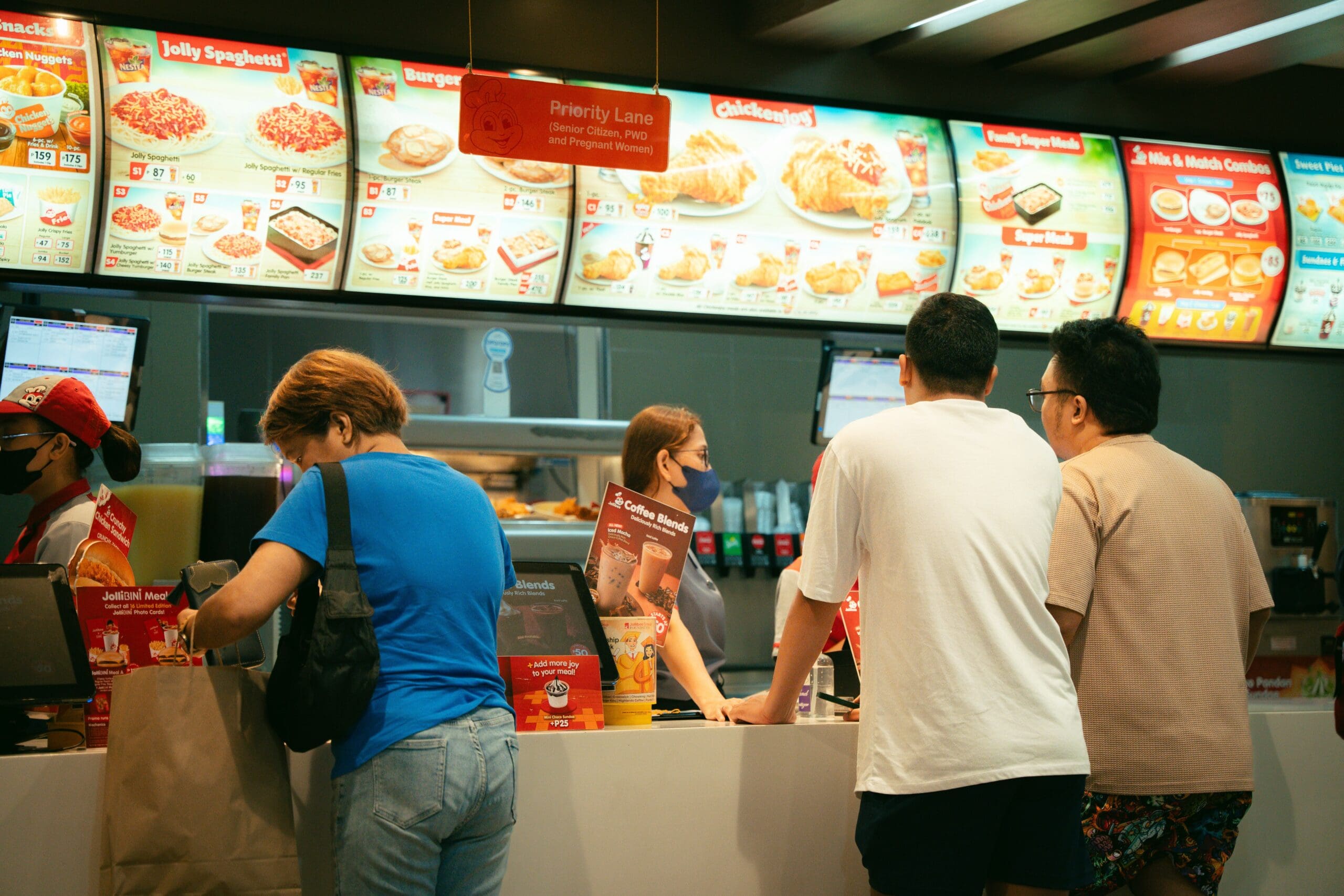
Fast casual sits between quick service and full service. Guests order at a counter or kiosk, food arrives fast, and there’s no tipping expectation. The quality bar sits well above fast food. Think fresher ingredients, visible prep, and a menu built around customization.
Full service means table service from start to finish. A host seats your guest. A server takes the order, checks in, and closes the check. Full service covers a wide range, from a neighborhood bistro to a white-tablecloth dining room. The common thread is a server managing the entire guest experience.
This distinction drives every operational decision downstream. The ordering mechanism sets your labor model. Labor model sets your cost structure. Cost structure determines which concept can actually survive on the margins you’re working with.
What Each Model Costs to Open
Fast casual concepts typically cost less to open. Smaller footprints, simpler kitchen equipment, and no need for a full bar keep the number down. A fast casual build can often open in 1,500 to 2,500 square feet. Sometimes less, if the format skips a dining room for pickup and delivery.
Full-service concepts need more space and more equipment. You’re building a dining room that has to seat guests comfortably for an hour or more. Add a bar program in many cases, plus a kitchen built to execute a broader menu under table-service pacing. That adds up fast, in both square footage and buildout cost.
Neither number is fixed, and vague comparisons don’t help you plan. What you actually need is your own numbers against your own lease terms, your own market, and your own concept. A Profit Model does that work before you sign anything. Do it before you fall in love with a space you can’t afford to build out.
Labor: The Real Line That Divides These Models
Labor is where fast-casual vs. full-service really splits. Fast casual runs on a smaller, less specialized crew. Counter staff and line cooks train fast. The absence of table service removes an entire labor category from your payroll.

Full service needs servers, often a host, sometimes bar staff, on top of the kitchen crew. That’s a bigger team with a wider range of skill requirements. Front-of-house turnover in full-service also tends to be high. A TouchBistro survey, covered by FSR Magazine, found that a third of full-service restaurants have annual turnover above 20 percent. About a third of operators say server shortages are a regular struggle.
That turnover isn’t a footnote in staffing. It costs you in training time, service inconsistency, and manager hours spent recruiting instead of running the floor. This doesn’t make full service the wrong choice. It means you need a bigger, more complex labor structure from day one, with the training systems to support it. If you’re not ready to run that kind of team, fast casual is the more forgiving place to start.
Margins: Where the Money Actually Lands
The margin conversation gets thrown around casually, so let’s be specific about fast-casual vs. full-service. Fast casual typically carries leaner labor as a share of revenue. There’s no tipped-server model to manage, and fewer front-of-house positions overall. Full service can carry higher check averages, especially with alcohol sales. That upside comes with higher labor costs and lower table turns.
Neither model is inherently more profitable. They optimize for different things. Fast casual wins on volume and throughput. Full service wins on check average and guest experience, when it’s executed well. The mistake is assuming one model is simply better. Ask instead which one fits the concept, the market, and the operator sitting across the table from me.
Real Estate: A Different Search Entirely
The fast-casual vs. full-service decision also changes what you’re looking for in a space. That shapes your timeline before you ever pour a drink or plate a dish. Fast-casual concepts can work in smaller footprints: strip centers, food halls, and urban infill spaces. Spaces that would feel cramped for a full service dining room. Less square footage often means a faster buildout and a shorter path to opening day.
Full service needs room to breathe. Guests stay for an hour or more. The dining room has to accommodate that pace without feeling rushed or empty. Add a bar, and that’s another zone with its own equipment, storage, and licensing requirements. Landlords know this too. Full-service tenants often negotiate longer lease terms and different tenant improvement allowances than fast-casual concepts do.
Location expectations differ as well. Fast casual can thrive on daytime foot traffic near offices, transit, or retail corridors where speed counts more than atmosphere. Full service tends to depend more heavily on evening and weekend traffic. It needs a location where guests plan a visit, rather than grab something on the way to somewhere else. Map your target daypart against the site before you sign anything.
The Hybrid Question
Plenty of operators try to split the difference, and it’s worth addressing directly. Counter ordering with an expanded menu and a small bar. Table service with a streamlined, limited menu. These hybrid formats can work. But they inherit the complexity of both models, rather than the simplicity of either.
A hybrid concept still needs the labor structure to support whichever service elements you’ve added. It still needs the kitchen infrastructure to support the breadth of the menu you’ve chosen. Before you build a hybrid, be honest about whether you’re solving a real guest need. Or just avoiding a decision. The strongest hybrid concepts start from a clear point of view about the guest experience. Not from splitting the difference on a spreadsheet.
Investors Care About This Decision Too
If you’re planning to raise capital, expect this question early. Investors want your unit economics before anything else. One investor told QSR Magazine that some firms look past a brand’s best-performing locations. They focus instead on the average and the weakest units. That tells the real story about whether the model works at scale. A three-year payback period is the kind of benchmark serious capital looks for. Fast-casual concepts often hit that mark sooner. The entry cost is lower, and the sales-to-investment ratio tends to be more favorable.
That doesn’t mean full service can’t attract capital. It means your pitch has to account for the longer runway. Make the case for why the higher check average and guest loyalty justify it.
Which Model Fits Your Concept?
Ask yourself these questions before you commit to either direction.
- What’s your available capital? If your budget is tight, fast-casual gets you open with less upfront exposure. If you have the capital, and the concept genuinely needs table service, full service can be the right call.
- What’s your risk tolerance? Full service carries more moving parts: more staff, more training, more places for something to go wrong on a busy Friday. Fast casual is more forgiving while you learn the business.
- What does your concept actually require? A fine-dining concept built around a curated wine list and a tasting menu doesn’t translate well to fast casual. A grab-and-go salad concept doesn’t need a server explaining a wine pairing. Let the concept tell you which service model it needs. Don’t pick a model first and force a concept into it.
- How fast do you need to reach profitability? Fast-casual concepts tend to reach break-even faster because the investment is lower and the labor model is simpler. If you need a shorter runway to profitability, factor that in now.
There isn’t a universally right answer between fast-casual and full-service. There’s a right answer for your capital, your market, and your concept. Run the numbers honestly before you commit to either one.
If you’re weighing which model best fits your concept, that’s a decision worth working through with someone who has opened both models. Book an introductory call or schedule an advisory session, and we’ll help you find the model that actually fits what you’re building.