
Earth Day and the Restaurant: How Sustainability Sells (Without the Lecture)
By Ray Camillo /
Restaurant sustainability has become one of the sharpest tools in a new concept owner’s brand kit. Not because it sounds virtuous. Because it works.
Diners today, especially younger ones, are paying attention to where their food comes from. They’re reading menus differently. They notice which restaurants talk about their farms, their fishermen, and their composting programs. And when they find one that resonates? They come back, and they bring people.
This isn’t a lecture about saving the planet. It’s a look at how sustainability, when built into your concept from the start, can strengthen your brand, trim your costs, and give your guests a reason to feel good about choosing you.
It Starts Before the Guest Sits Down
The most effective sustainable restaurants don’t treat it as a marketing add-on. They bake it into concept development from day one. That means thinking about sourcing while you’re still building the menu, not after you’ve already signed the vendor contracts.
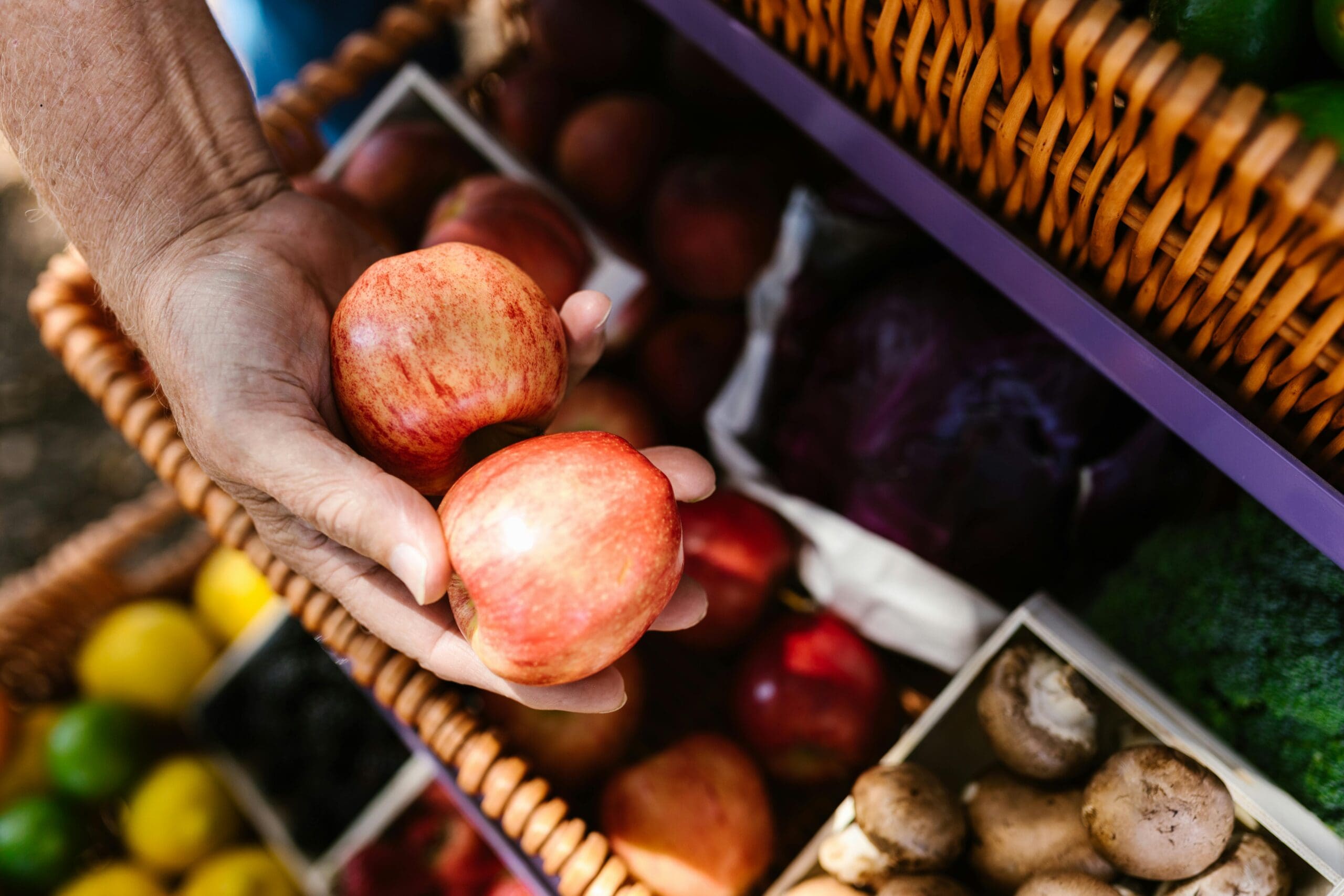
The restaurants doing this well treat their farmers and ranchers like partners. They feature them on the menu. They name the farm. That kind of specificity builds trust with guests who are skeptical of vague claims. ‘Locally sourced’ means nothing. ‘Sweetgrass Farm, Gainesville, GA’ means everything.
If you’re in early concept planning, your sourcing philosophy belongs in the same conversation as your brand identity and your design aesthetic. It’s not a side project. It’s part of the story.
The Cost Angle Nobody Talks About
Here’s where restaurant sustainability gets interesting for owners who are watching the numbers. Done right, it can actually reduce food costs.
Seasonal menus cost less. When you build your menu around what’s in season locally, you’re buying produce at peak supply, which typically means lower prices. You’re also reducing your dependence on long-haul supply chains that have been increasingly unreliable in recent years.
Waste reduction is the other side of this coin. Restaurants that track their waste carefully and build menus to use whole animals, whole vegetables, and every trim tend to run leaner. Whole-animal butchery programs and zero-waste cooking aren’t just trendy. They pencil out.
Energy efficiency upgrades, better hood systems, induction cooking, and LED retrofits can reduce utility costs meaningfully over time. Many of these qualify for local or federal tax incentives, which helps the upfront math.
What Guests Actually Notice
You don’t need a paragraph of environmental text on every menu page. You need a few specific, honest details.
The restaurants earning loyalty through sustainability are doing simple things well. They’re naming their purveyors. They’re running at least a few dishes that reflect the season. They’re telling their server team the story behind two or three ingredients so that story gets told at the table.
What doesn’t work: generic claims with no substance behind them. ‘We care about the environment’ without any specifics is worse than saying nothing. Diners have seen enough greenwashing to spot it quickly.
If you commit to sourcing one signature ingredient locally, commit to it fully. Tell the story. Know the farm. Let that relationship show up on the plate and in the conversation.
Restaurant Sustainability for Developers and Multi-Property Operators
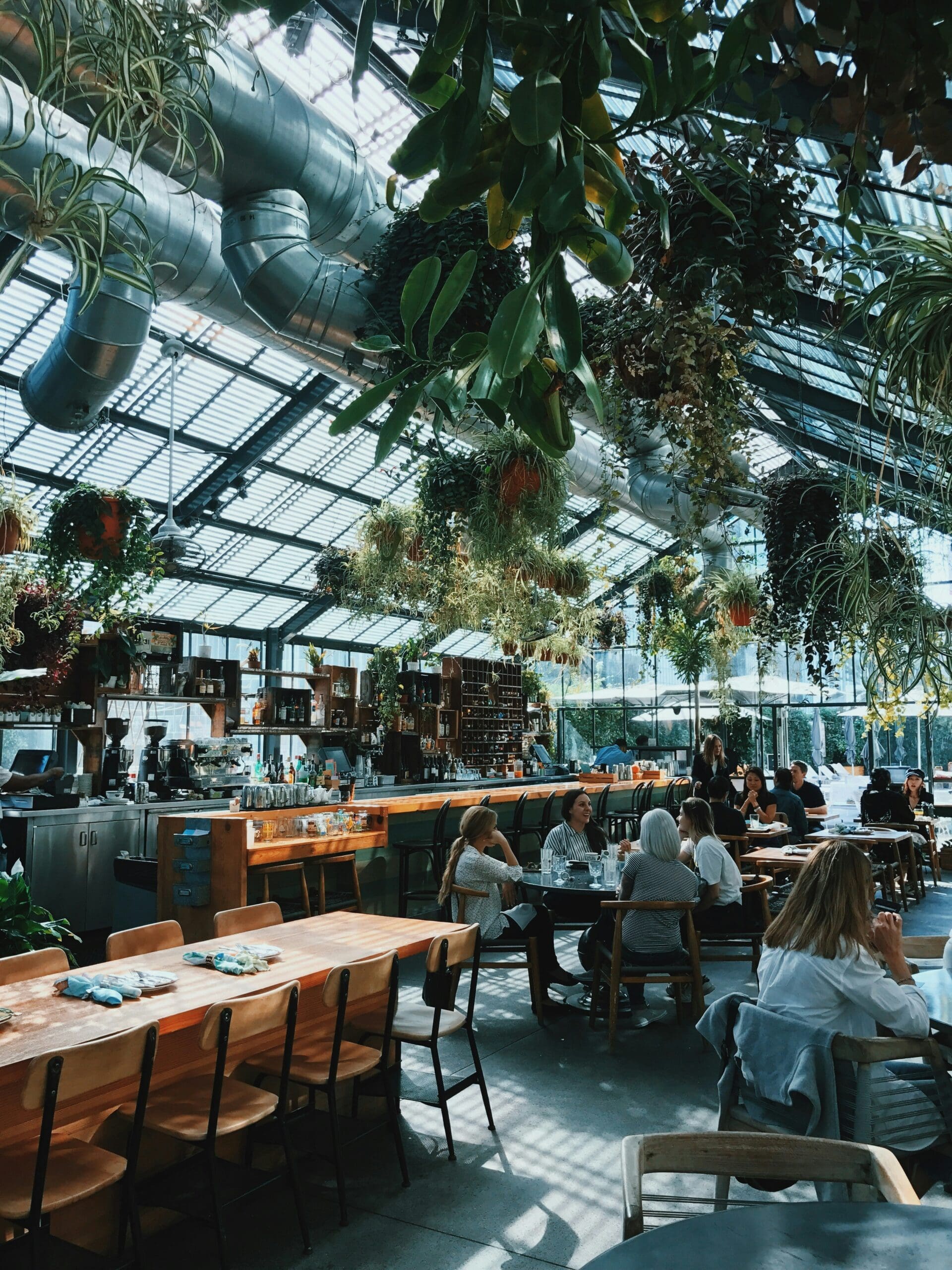
For developers and hospitality groups building or repositioning restaurant concepts, sustainability is increasingly a tenant and brand differentiator. Mixed-use developments and food halls are attracting operators with credible sustainability stories because it appeals to the same residents and workers they’re trying to bring to their properties.
The investment in a well-constructed sustainability program, sourcing framework, and supplier relationships pays dividends across multiple locations. It’s also a meaningful differentiator in markets where the restaurant landscape is crowded.
The work to build this framework belongs in your concept development process, before leases are signed and equipment is ordered. A strong sourcing philosophy is much harder to retrofit into an existing operation than to design in from the beginning. Our concept development process helps clients build this foundation early.
A Practical Starting Point
If you’re building a new concept and want to incorporate restaurant sustainability in a way that’s genuine, here’s a simple framework:
Start with one ingredient. Find a local or regional producer for your most prominent protein or produce item. Build a relationship. Learn the story. Feature it on the menu with the farm name.
Then build your waste strategy. Understand where your biggest waste sources are. Design your menu to address at least two or three of them, whether through whole-product cooking, house-made stocks, or daily specials that use trim.
Finally, plan for transparency. Decide what you’ll communicate to guests and how. A simple chalkboard, a menu note, or a few well-trained server talking points can carry a lot of weight.
Sustainability doesn’t require a manifesto. It requires a commitment to a handful of specific practices, applied consistently.
If you’re working through the early stages of concept development and want to think through how your sourcing philosophy fits into your overall brand story, book an introductory call or schedule an advisory session. It’s one of the more interesting conversations we have with first-time owners.