
Comfort Food and the Fall Menu: What Diners Actually Want
By Ray Camillo /
Comfort food on the fall menu isn’t a marketing angle. It’s what guests are actually asking for once the weather turns. Most restaurants underestimate exactly how true this is.
I wrote recently about the mechanics of a fall menu refresh. Timing, staggered rollouts, protecting the dishes your regulars won’t let you touch. This piece is the other half of that discussion. It’s about why comfort food works on a fall menu in the first place. What “comfort” actually means to a guest sitting down in October.
Comfort Isn’t Nostalgia for Its Own Sake
Chefs sometimes treat comfort food as a lesser category. Simple. Familiar. Not the place to show off. That view misses a real opportunity to shine.
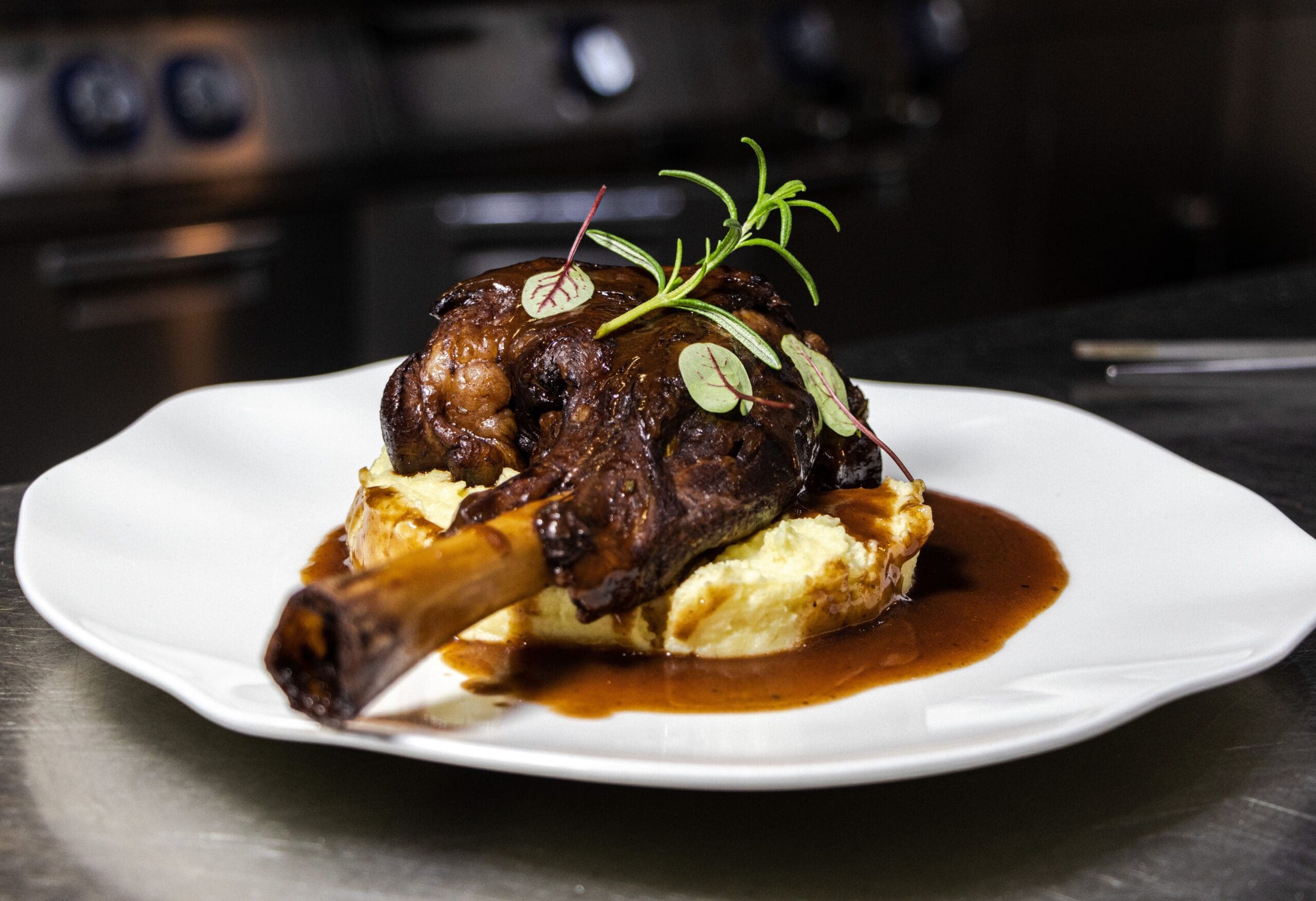
A braise, a chowder, a dish with substantial heft to it does something a summer plate doesn’t. It signals that someone spent time on it. Guests understand and appreciate it. They respond even faster once the temperature drops and the days get shorter.
George McAllan, president of Sonny’s BBQ, put it plainly in a recent QSR Magazine roundup on 2026 trends. Guests are coming back to dine-in, he said, but they want more than good food. They want an experience that feels warm and personal. That’s the whole case for comfort food on a fall menu in one sentence.
What “Cozy” Actually Means on a Plate
Cozy isn’t a texture or a temperature. It’s a set of specific cues that tell a guest they can slow down. Long-cooked proteins. Visible steam. A dish served in something with real depth: a crock, a cast-iron skillet, a bowl instead of a flat plate.
Guests don’t consciously recognize these cues. They just feel the difference between a dish that reads as having taken time and effort to create and one that doesn’t. A braised short rib conveys this. A reheated summer special doesn’t, no matter how good the ingredients are.
The National Restaurant Association’s research on 2026 food trends found that comfort and nostalgia, paired with a real sense of flavor escapism, are shaping what diners want from restaurants this year. That’s real demand, and something operators can plan into their menus
Why This Is More Important in the Fall
Summer menus lean light because guests want light when it’s hot. That flips once school starts and the days shorten. The same guest who ordered a citrus salad in July will order a bowl of something rich in October. Often at the same restaurant, sometimes in the same week.
Part of this is genuinely physical. Guests want warmth when it’s cold outside. But part of it is emotional, and that’s where the real opportunity lies. Fall carries associations like routine, family, slowing down after a hectic summer. A menu that leans into those associations tends to outperform one that cling to summer menus too long.
Where Comfort Food Earns Its Keep on the Menu
Comfort food on the fall menu doesn’t have to live in one section. Soups and starters are the easiest category to load. A hearty chowder or a French onion soup does more work in October than a chilled gazpacho ever could, and it’s inexpensive to execute well.
Main entrees are where the category really pays off. Braises, roasted birds, anything that spent hours in the oven while the kitchen did other things. These dishes carry an inherent sense of effort that a quickly grilled protein doesn’t.
Don’t skip dessert. A warm bread pudding or a fruit crisp finishes a fall meal the way a light sorbet finishes a summer one. It’s the last impression a guest has, and it’s an easy, high-margin place to end the meal.
Translate the Trend Into Actual Dishes
None of this means dumping mac and cheese and pot roast onto the menu and calling it strategy. The operators who do comfort food well treat it as an opportunity to showcase culinary talent, not a place to get lazy.
Start with what your kitchen already does well. Comfort food rewards a kitchen that already has the skill for long, patient cooking. It punishes a kitchen trying to fake a shortcut version of something that’s supposed to taste like it took all day.
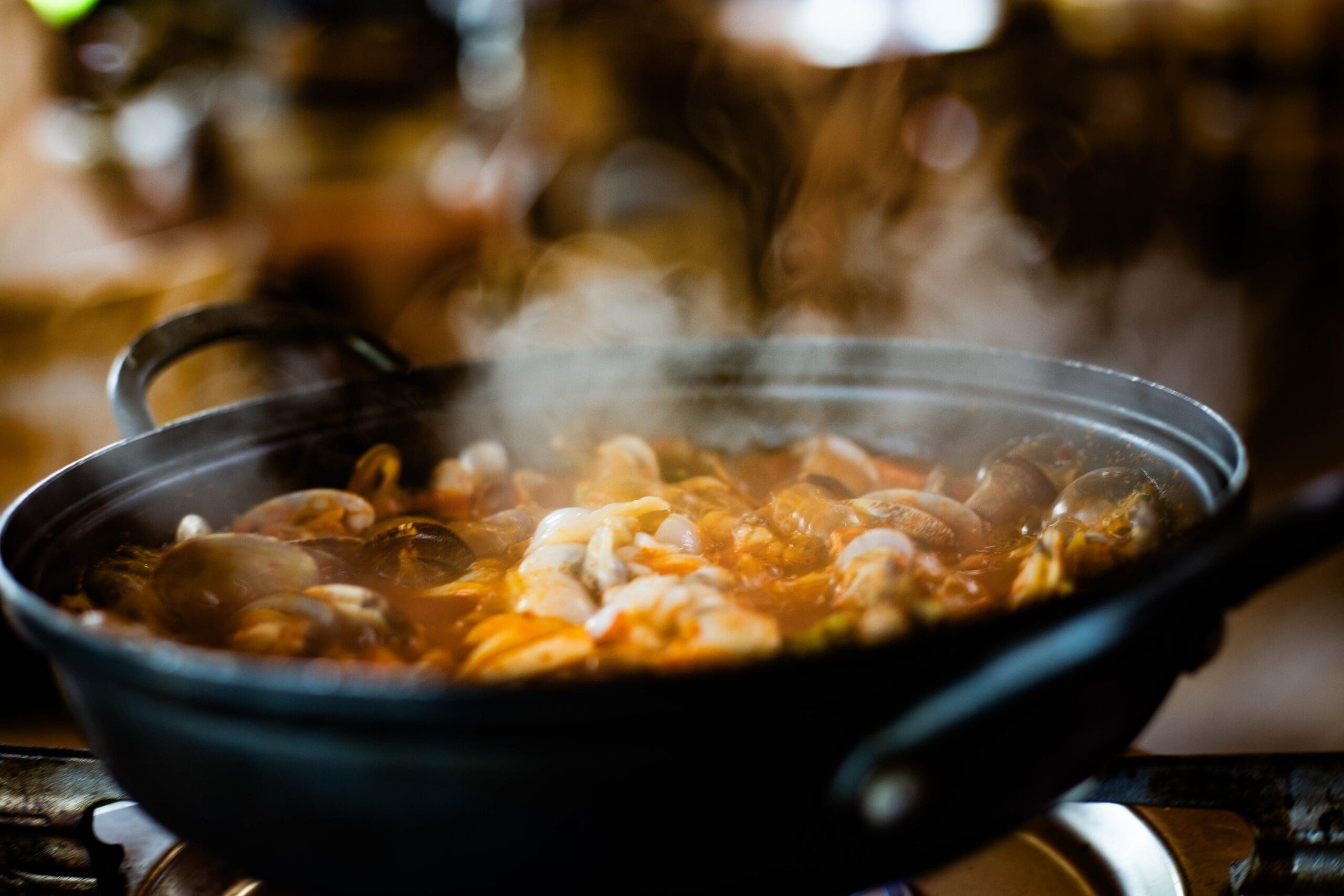
Lean on visual cues as much as flavor. A dish arriving in a small cast-iron pan, still audibly bubbling, reads as comfort before a guest takes the first bite. Presentation carries real weight here, more than it does with a summer dish that leans on freshness and color instead. Just like cooler weather means more clothes with which to convey style.
Watch your language on the menu itself. “Slow-braised,” “hearth-roasted,” and “family recipe” do real work. They tell a guest what to expect emotionally, not just what’s on the plate. Generic language undersells a dish that’s doing exactly what a guest wants this time of year.
Comfort Food Reads as Value, Even at a Higher Price
Guests are watching their spending closely this year. That makes comfort food on the fall menu even more useful than it looks at first glance. A generous, slow-cooked entrée feels like more value than a smaller, more delicate summer plate, even at a similar price point. Portion, warmth, and visible effort all read as value to a guest deciding where to spend a night out.
That perception is more important than usual right now. Restaurants that lean into comfort food don’t need to discount to compete on value. The dish itself makes the argument. A guest who leaves full and warm rarely does the math on price per ounce. A plate that photographs beautifully but eats light doesn’t win the day.
Comfort Food Still Has to Make Money
None of this is a license to ignore your margins. A long-braised dish that ties up a burner for three hours has a real impact beyond ingredient cost. Price it to reflect the whole picture, not just what’s in the pot. That same discipline should guide menu development year-round, comfort food included.
Batch cooking helps here more than almost any other category. A braise made in volume on a slow Tuesday, then portioned across the week, is efficient in a way a made-to-order entrée never will be. That efficiency is part of why comfort food performs so well on a fall menu specifically. The dishes that feel the most labor-intensive to a guest are often the ones a kitchen can produce most efficiently at scale. Never mind that these items also often taste better on the second day.
Comfort Food Sells Beverages Too
Don’t stop at the food menu. A warm cocktail, a cider, or a coffee drink built around fall spices resonates the same way a braise does. The margin on a well-built seasonal drink is usually higher than most food additions.
This is also where a restaurant can showcase a little of its personality. A signature warm cocktail, something guests can’t get anywhere else nearby, builds real word of mouth heading into the busiest stretch of the year.
Train the Floor to Sell the Feeling, Not Just the Dish
A server describing a braised short rib as “tender beef in a red wine sauce” is accurate and forgettable. A server who mentions it’s been cooking since that morning sells something closer to the actual experience. So does a server who notes it falls apart at the touch of a fork.
This is worth an actual tasting, not a five-minute pre-shift rundown. Servers who’ve tasted a dish and understand why it’s built the way it is recommend it with real conviction. Guests can tell the difference between a server reciting a description and one who means it.
Comfort Food on the Fall Menu Builds Loyalty
Here’s the part worth remembering. Comfort food doesn’t just bring in new guests. It’s one of the more reliable ways to garner loyalty with guests you already have. A dish that makes someone feel cared for during a hectic season builds a memory a summer special never will. That’s the lasting value of comfort food on the fall menu.
Get the fall menu refresh mechanics right first. The timing, the staggered rollout, the protection of your regulars’ favorites. Then let comfort food do the emotional work on top of that foundation. The two pieces work together. One is the how. This is the why.
If you want help translating comfort food on the fall menu into dishes your kitchen can execute at scale, that’s worth a short conversation. Book an introductory call or schedule an advisory session, and we’ll look at your fall menu together.