
Chicken Wing Economics: What Bar Food’s Favorite Item Really Costs You
By Ray Camillo /
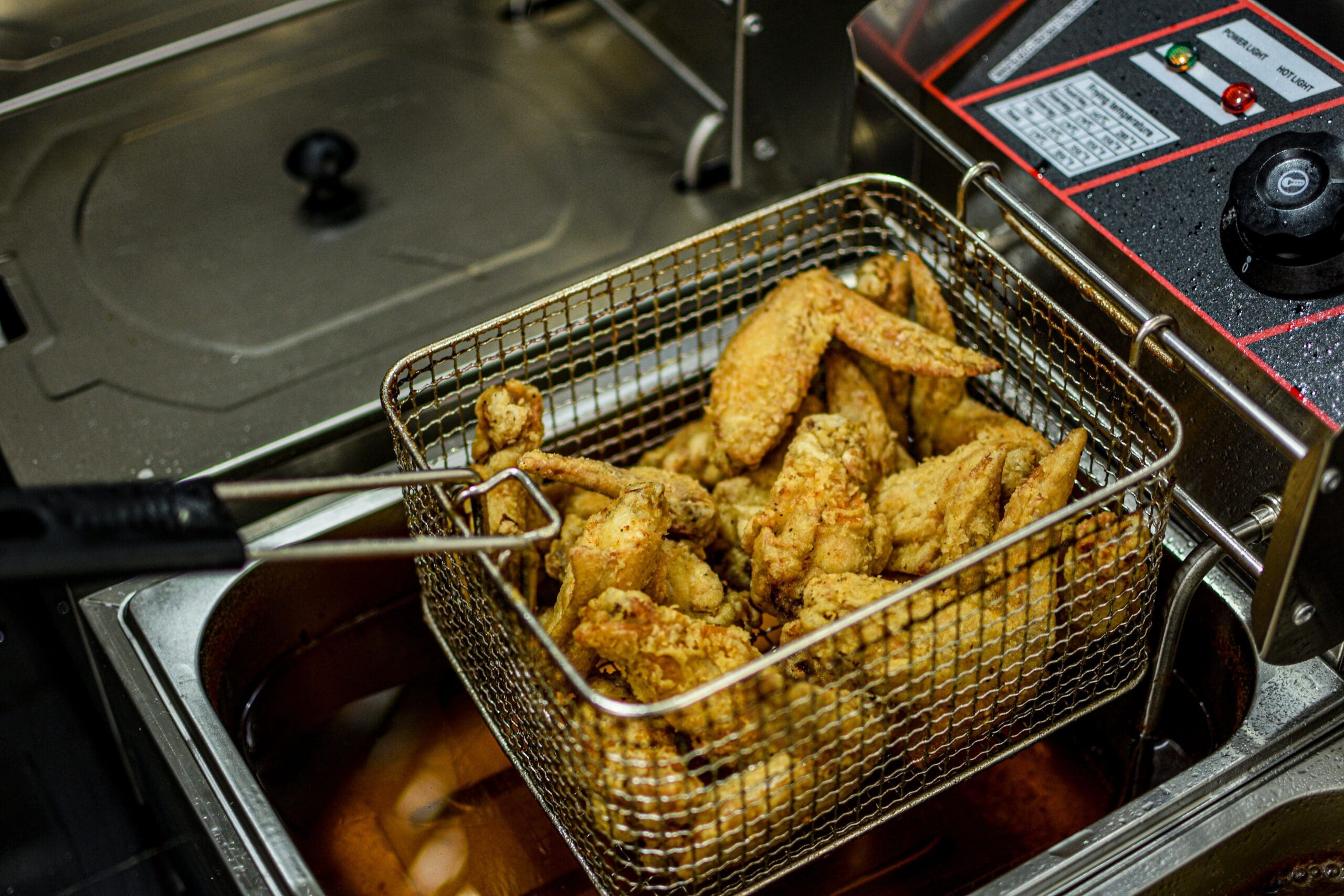
Chicken wing economics are stranger than most operators realize. Wednesday, July 29 is National Chicken Wing Day. Restaurants nationwide will move an enormous volume of wings, at prices that don’t always track the real cost. That mismatch is worth understanding before your next menu review.
Wings started as a bar giveaway at Buffalo’s Anchor Bar, made from chicken parts most kitchens once threw away. Six decades later, that giveaway sits among the highest-margin items on the bar menu when priced correctly.
I’ve priced wings for thirty years, through every version of this argument. Bone-in against boneless. By the piece against by the pound. All-you-can-eat against a fixed count. The argument never really ends. The cost structure underneath chicken wing economics never holds still long enough to settle it.
The Chicken Wing Economics of Bone-In vs. Boneless
Bone-in wings and boneless wings share a menu category and almost nothing else. They come from different parts of the bird and track entirely different commodity markets. Bone-in wings move with the wing market itself. Boneless wings, cut from breast meat, move with the chicken breast market instead.
That distinction is the whole story of chicken wing economics right now. When one commodity spikes, the other doesn’t necessarily follow. Recent years have shown exactly that pattern. QSR Magazine reported that bone-in wing costs dropped closer to pre-pandemic levels. Boneless costs climbed sharply instead, driven largely by rising demand for white-meat chicken elsewhere on the menu. Gus Malliaras, founder of Detroit Wing Company, described the stretch as “a constant juggling act” for pricing, supply, and staffing.
That’s not a one-time story. It’s the operating condition. Price your wing program once and walk away, and you’re pricing a moving target with a number that never moves.
Why Boneless Keeps Gaining Ground
Boneless wings aren’t going anywhere either. Wingstop now sells boneless wings for about half of its total wing volume, and the shift is generational. Younger diners often have no relationship with a bone-in wing at all. As one Wingstop executive told QSR Magazine, plenty of guests have “never bitten into a bone-in product.”
That preference carries real operational consequences you can plan around. Boneless wings behave like a large nugget cut from the breast. They batter, fry, and hold differently than a bone-in wing does. They also travel better through delivery and takeout. A crisp bone-in wing tends to steam itself soft inside the box. If your delivery mix keeps growing, your boneless share probably should too.
None of that makes boneless the better item. It makes boneless a different cost and labor profile. That profile deserves its own line in your chicken wing economics, not a shared assumption with bone-in.
The Real Margin Math
Here’s where most wing programs lose money without anyone noticing. The loss hides inside overall food cost instead of appearing as its own line.
Start with the piece count, not the pound. A typical order of ten wings might run $4.50 to $6.00 in raw product cost. That depends on the week’s market and your portion size. Add sauce, ranch or blue cheese, celery, and the fryer labor to plate it. On a $14.99 wing basket, that puts you in a normal 28 to 32 percent food cost range on paper. Fine, so far.
Now add the part most menus miss. Wings carry more prep labor per dollar of revenue than almost anything else on a bar menu. Someone tosses each order by hand. Someone checks doneness on bone-in pieces individually, because they don’t all cook at the same rate. That labor cost rarely appears as its own number. It hides inside a total that looks fine and isn’t.
Run your own food cost percentage on wings, the same way you would on any other dish. Don’t stop there. Time a busy Friday ticket from fire to plate. If wings take meaningfully longer than your other top sellers, that time carries a cost. It belongs in your chicken wing economics even though it never appears on an invoice. If you haven’t run a Dog/Star analysis on your bar menu recently, wings are a good place to start.
Two Wings, Two Labor Profiles
The math above assumes a standard sauced order, and even that hides a second layer worth separating out. A dry-rub wing and a wet-sauced wing are not the same labor event either, even within the bone-in category alone.
A dry rub goes on before the fryer and stays put. A wet sauce gets tossed to order, in small batches, right before the wing hits the guest. That tossing step takes real time at a busy station. It multiplies fast on a night when half your tickets want six different flavors split across two dozen wings. Batch a few house favorites ahead of a known rush. Ranch-forward and classic buffalo cover most orders, so save the made-to-order tossing for guests who ask for something specific.
None of this appears as a separate line item on any invoice. It arrives instead as a slower ticket time on your busiest bar night, which is its own kind of cost.
The Wing Day Promo Trap
National Chicken Wing Day tempts operators into a promotion that looks great on social media and terrible on the P&L. All-you-can-eat wings, deep discounts, or a flat low price per dozen all move volume. Volume isn’t the same thing as profit.
Before you run a holiday-themed promotion, know your break-even count per guest. Say your food cost on wings sits at 32 percent normally. Drop the price by a third for the day, and that percentage doesn’t shift proportionally. It can climb into territory where every order past a certain count loses money outright. All-you-can-eat formats carry the most risk. Your best customers for the promotion are, by definition, the ones who eat the most.
A better approach protects the holiday’s marketing value without eating your margin. Cap portions. Feature a flavor, not an unlimited count. Pair the promotion with a drink minimum that carries its own healthy margin. The goal on July 29 is traffic and goodwill, not a day spent subsidizing your regulars’ appetite.
Staffing the Wings Rush
National Chicken Wing Day, and any wing-heavy promotion built around it, changes your kitchen’s rhythm, not just your food cost. Fryer capacity becomes the bottleneck long before ingredients run short. One fryer basket only holds so many wings. A full house ordering wings by the dozen backs up everything else cooking behind them, fries included.
Walk the line before the day arrives, not during service. Confirm you have enough fryer capacity for the volume you’re promoting, and know which other items share that fryer. If wings and fries fight for the same basket on a busy night, that’s a bottleneck baked into the plan. It surfaces before the first ticket even prints. A short prep meeting the morning of the promotion prevents most of the slowdown. Cover batch sauces, par levels, and fryer assignments before the doors open.
Sourcing and Menu Placement
A few practical moves protect your chicken-wing economics beyond day-to-day pricing. Lock in pricing windows with your distributor where you can, even short ones. That way a single bad commodity week doesn’t force a menu reprint. Track bone-in and boneless as two separate line items in your ordering, not one blended “wings” category. That way you can see which one is actually driving your cost swings.
On the menu itself, wing placement should reflect real economics, not just popularity. If bone-in currently runs cheaper, that’s a fine item to feature harder. If boneless is having its costly stretch, keep it on the menu (guests expect it). Just stop discounting it the way bone-in can absorb and boneless can’t. Wing pricing is one piece of a bigger menu development question worth revisiting each season, not a one-time decision.
Don’t Forget What Rides Along
Wing pricing conversations tend to stop at the protein and skip everything that rides along with it. A surprising amount of margin disappears from an otherwise well-priced item this way, one small unpriced extra at a time.
Ranch and blue cheese aren’t free. Celery and carrots aren’t free. A side of fries bundled into a wing basket carries its own cost. That cost belongs in your chicken-wing economics, not waved off as a garnish. Price the basket as a complete unit, dip and all. Revisit that price whenever your dairy or produce costs move, not just when chicken prices make the news.
Get the Math Right Before the Day Arrives
Chicken wing economics reward operators who treat wings like the volatile commodity they are. They aren’t a fixed bar snack at a fixed price. Cost both formats separately. Time the labor honestly. Build any holiday promotion around a number you’ve actually run, not a number that sounds good in a marketing meeting.
Wings will always sell. Whether they make money is a pricing decision, not a popularity contest.
Get a second set of eyes on your bar menu economics before the next commodity swing hits. Book an introductory call or schedule an advisory session, and we’ll run the numbers with you.